
Boulder, Colorado: foothill city of the Rocky Mountains
Boulder is a city in northern Colorado known for its foothill setting, outdoor recreation, University of Colorado campus, research activity, and a strong local culture emphasizing health, education, and conservation.
Overview
Boulder is a city in the state of Colorado in the United States. It serves as the county seat for Boulder County and lies near the western edge of the county. The city sits at an elevation of about 5,430 feet (1,660 meters) on the eastern foothills of the Rocky Mountains, roughly 25 miles northwest of Denver. Boulder’s population is commonly described as being on the order of 100,000 people within the city limits, with a larger metropolitan area that includes surrounding communities.
Image gallery
10 Images





Geography and characteristics
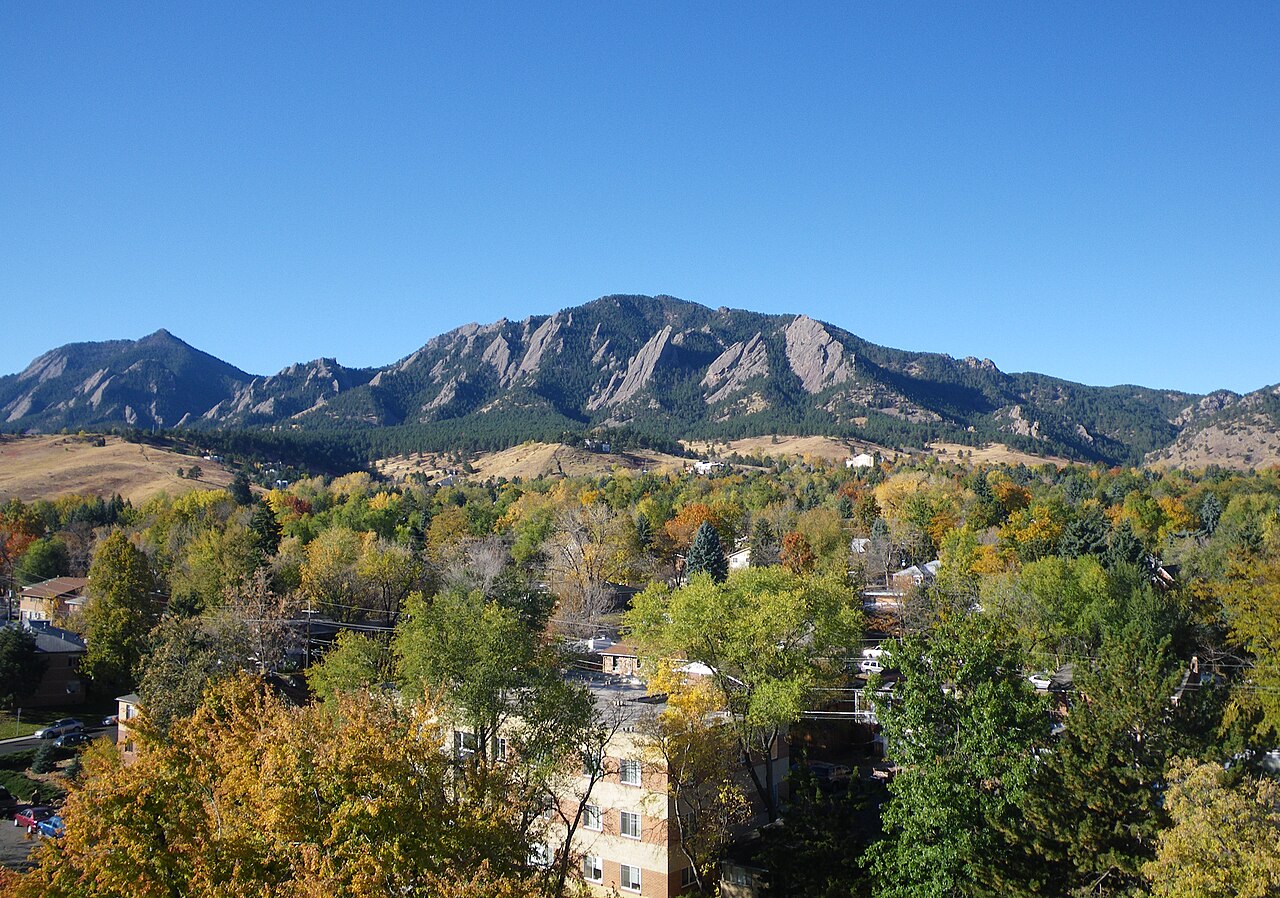
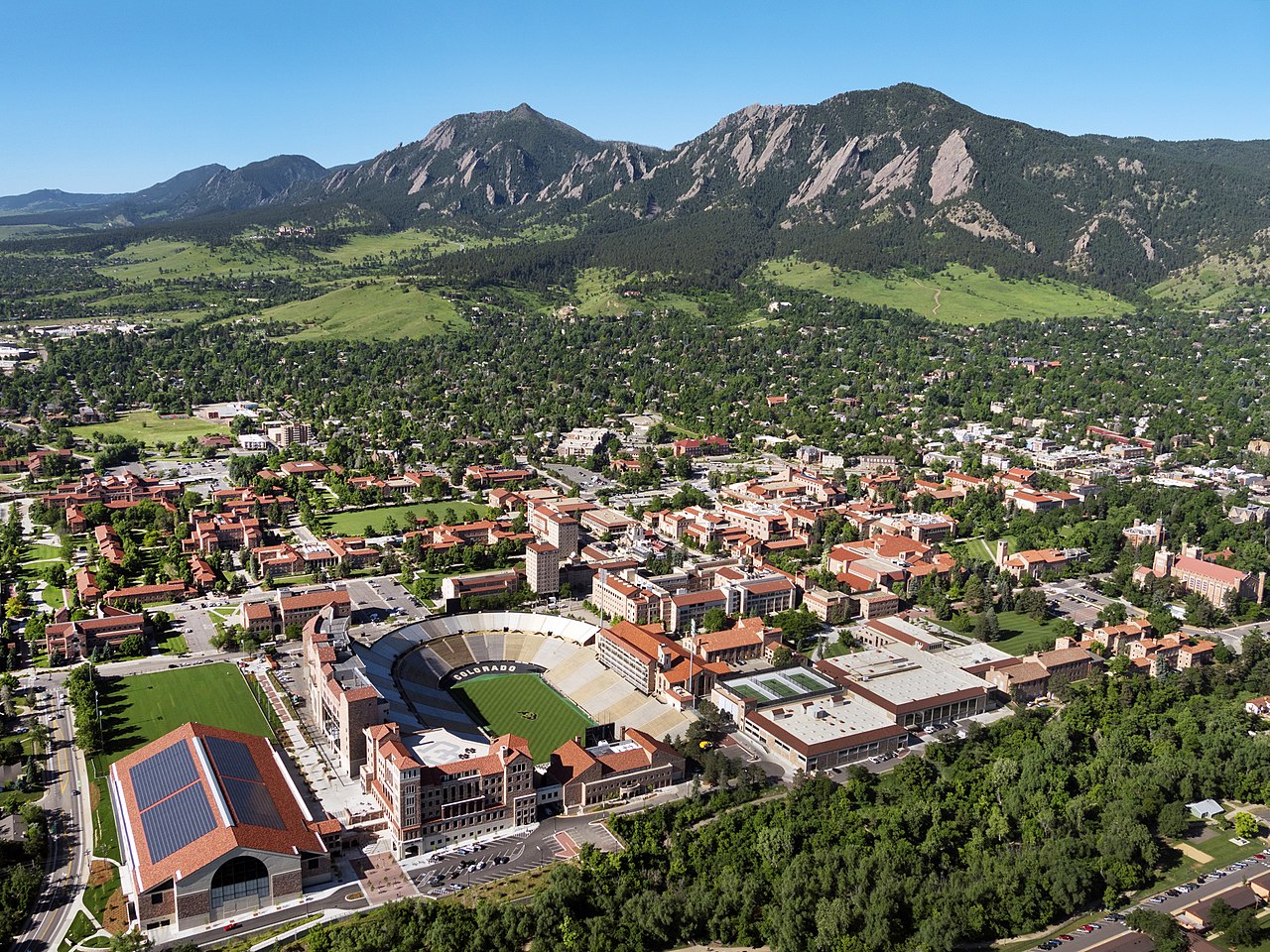
Boulder occupies a transitional zone where the plains meet the mountains: steep sandstone cliffs and short, forested ridges give way to flatter urban neighborhoods. The city has an extensive system of preserved open space and trails, managed to protect views, wildlife habitat and recreational access. Local climate is semi-arid with four distinct seasons; winters bring cold nights and occasional snow, while summers are warm and dry, moderated by mountain breezes.
History and development
Boulder’s origins trace to the nineteenth-century westward movement and regional mining and settlement patterns. Over time it evolved from a small supply center for nearby mining camps into a regional hub of education, research and outdoor lifestyle. The city attracted countercultural and environmental movements in the mid-twentieth century, including an influx of residents in the 1960s that helped shape its modern cultural identity and progressive politics. For more on local historical themes see history and influences such as Western traditions.
Education, research and economy
Boulder hosts the main campus of the University of Colorado, a major public research university that contributes to the city’s economy, culture and demographics. The university, together with federal and private research laboratories and numerous technology and outdoor-industry companies, supports a knowledge-driven local economy. Education and cultural institutions are important to the community—Boulder frequently ranks highly for education and public health metrics, and maintains an active arts scene highlighted by galleries, performance venues and festivals (art).
Culture, recreation and notable facts
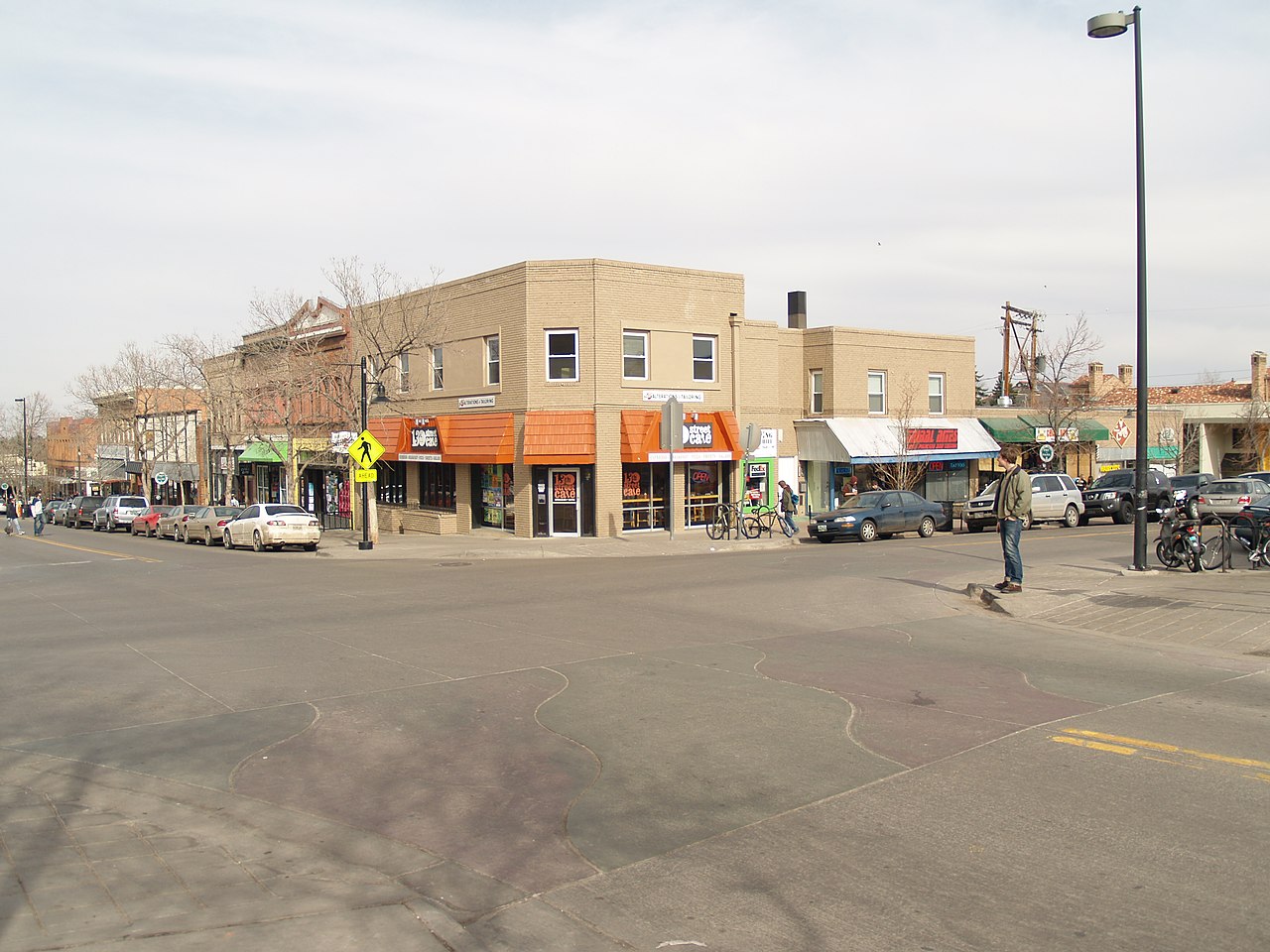
- Pearl Street and downtown areas are known for walkable shops, restaurants and public art.
- Extensive trail networks and proximity to mountain recreation make outdoor activities a central part of local life.
- City policies emphasize open-space conservation, sustainable transportation and limits on outward sprawl.
Boulder is widely regarded for its combination of university influence, outdoor access, environmental conservation and civic engagement. While it offers many amenities and high quality-of-life indicators, the city also faces typical mountain-urban challenges such as housing affordability and managing growth near sensitive landscapes. For municipal services, visitor information or further resources, various local and regional pages provide details via official and community sites.
Questions and answers
Q: Where is Boulder located?
A: Boulder is located in the state of Colorado, in the United States.
Q: What is the population of Boulder in 2011?
A: In 2011, there were 98,889 people living in the City of Boulder.
Q: What is the height of Boulder?
A: The city's height is 5,430 feet (1,660 m).
Q: How far is Boulder from Denver?
A: Boulder is 25 miles (40 km) northwest of Denver.
Q: What is CU Boulder?
A: CU Boulder is the main campus of the University of Colorado located in Boulder, and it is the biggest university in Colorado.
Q: What is Boulder famous for?
A: Boulder is famous for its history, Western traditions, and being one of the best cities for health, well-being, quality of life, education, and art.
Q: How many people live in the Boulder Metropolitan Statistical Area?
A: The Boulder Metropolitan Statistical Area has 294,567 people living in it.
Related articles
Author
AlegsaOnline.com Boulder, Colorado: foothill city of the Rocky Mountains Leandro Alegsa
URL: https://en.alegsaonline.com/art/13326
Sources
- dola.state.co.us : "Active Colorado Municipalities"
- colorado.gov : "Colorado Municipal Incorporations"
- zip4.usps.com : "ZIP Code Lookup"
- naco.org : "Find a County"
- census.gov : "Table 3. Annual Estimates of the Resident Population for Incorporated Places in Colorado: April 1, 2010 to July 1, 2011"
- census.gov : Annual Estimates of the Population of Metropolitan and Micropolitan Statistical Areas: April 1, 2010 to July 1, 2011
- bouldercolorado.gov : "Best of Boulder"
- boulderguide.info : "C.U. History"
- boulderhistory.org : "A Boulder Timeline"
- ghostseekers.com : "Brief History of Colorado" · web.archive.org
- factfinder.census.gov : "American FactFinder" · web.archive.org
- bcn.boulder.co.us : "Boulder Area Sustainability Information Network"
- ibpsa.org : "Creating weather files for climate change and urbanization impacts analysis"