
Boundary County, Idaho
Rural county at Idaho’s northern edge bordering Canada. Overview of geography, history, economy, communities, protected areas, and recreation, with key facts and resources.
Overview
Boundary County sits at the far northern tip of Idaho, named for its international border with British Columbia, Canada. The county seat and largest town is Bonners Ferry, which serves as the local commercial and administrative center. According to the 2010 census, the county had a population of 10,972, reflecting its predominantly rural character and low population density.
Image gallery
1 Image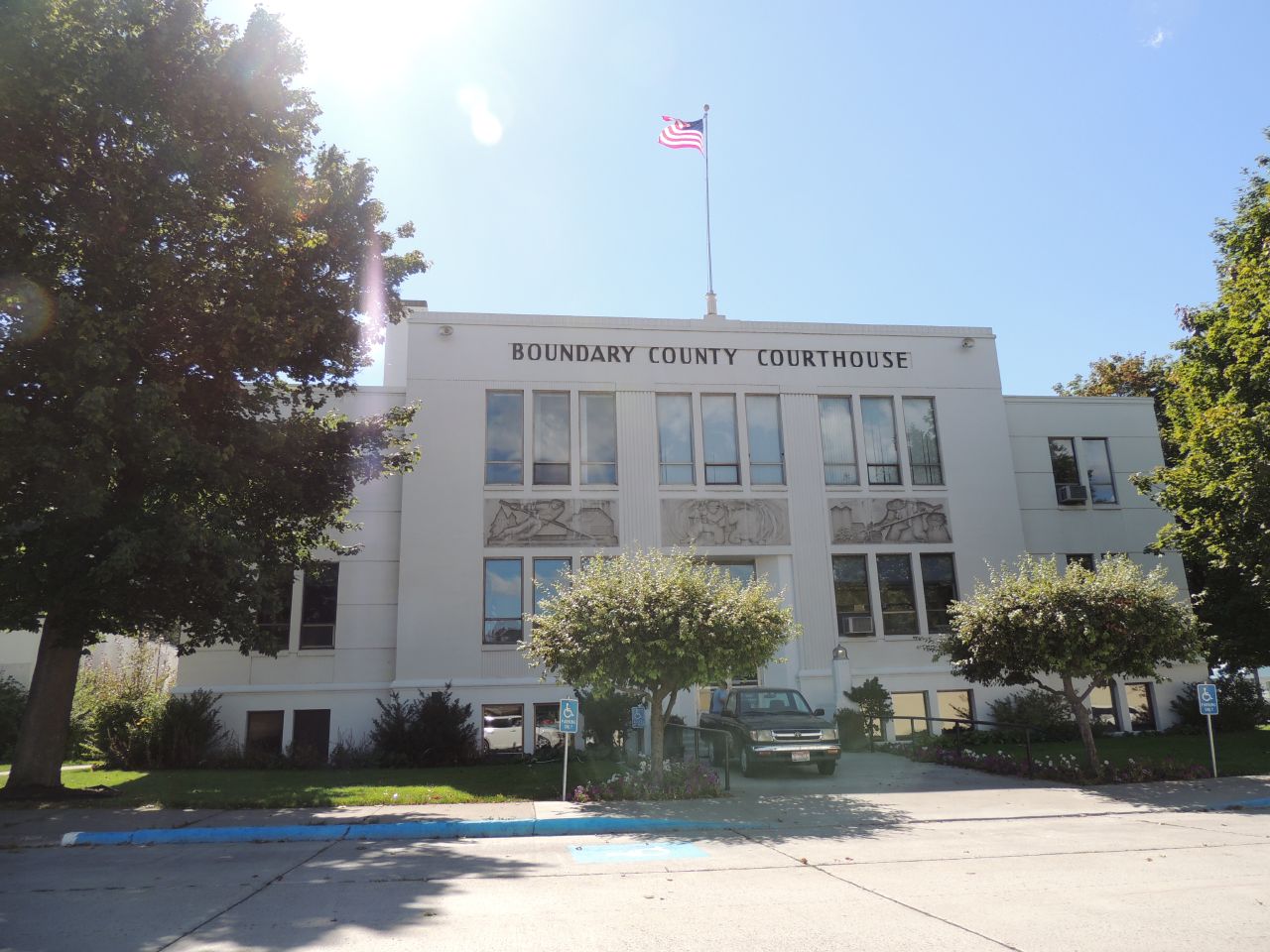
Geography and environment
The landscape of Boundary County is a mix of river valleys, forested foothills and mountains that are part of the northern Rocky Mountain region. Major waterways feed the Kootenai River system and support fisheries and wetlands. Large tracts of federally managed forest and wildlife habitat occur in and near the county, providing habitat for regional species and opportunities for outdoor recreation.
History
The area was long occupied by Native peoples, including the Kootenai (Ktunaxa) and other regional groups, before Euro‑American settlement. Modern Boundary County was formed in the early 20th century and its economy and settlement patterns were shaped by river transport, road and rail connections and the timber industry.
Economy and land use
Timber, agriculture, small business and public-sector services are important to the local economy. Recreation and nature‑based tourism — including fishing, hunting, boating and wildlife viewing — also support outfitters, lodging and retail services. Land‑use decisions often involve coordination among county, state and federal agencies to balance resource production and conservation.
Communities and transportation
Besides the county seat, Boundary County includes small incorporated places such as Moyie Springs and several unincorporated communities and border hamlets. U.S. Route 95 and local highways connect residents to other parts of Idaho and to border crossings into British Columbia. County government provides roads, public safety and local planning while working with state and federal partners (state resources and Idaho information).
Recreation and protected areas
Protected lands and refuges in and near the county offer trails, river access and wildlife viewing; these areas are valued for both conservation and recreation. Visitors and residents use rivers, forests and public lands for year‑round outdoor activities.
For official county information and additional resources consult the county overview (county) and local offices for current maps, services and statistical updates.
Tags
Related articles
Author
AlegsaOnline.com Boundary County, Idaho Leandro Alegsa
URL: https://en.alegsaonline.com/art/13351
Sources
- quickfacts.census.gov : "State & County QuickFacts"
- naco.org : "Find a County" · web.archive.org