
Yung Lean: Swedish rapper and internet-era artist
An overview of Jonatan Leandoer Håstad (Yung Lean), his music, aesthetic, origins, key releases and influence on internet-age hip hop and cloud rap.
Overview
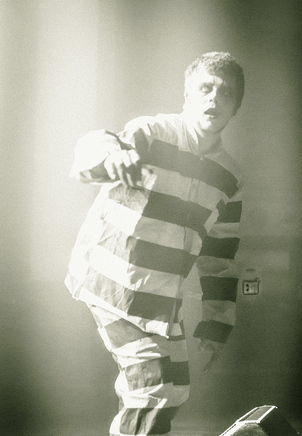
Jonatan Leandoer Håstad, known professionally as Yung Lean, is a Swedish rapper, producer and singer who emerged as a prominent figure in internet-driven hip hop in the 2010s. Born on 18 July 1996, he became widely known for a distinctive blend of melancholic lyrics, lo‑fi beats and a visual style that often included bucket hats and vaporwave-influenced imagery. His online presence and viral videos helped bring attention to a new, globalized wave of cloud rap and emo-tinged hip hop.
Image gallery
5 Images


Musical style and themes
Yung Lean's work combines minimal, often dreamy production with emotionally frank and sometimes surreal lyrics. He writes about youth, alienation, nostalgia and internet culture; this tone is underscored by producers from his circle and by his own work as a record producer and collaborator. He also performs vocals and melodic sections, reflecting a crossover between rapping and singing that became common among artists influenced by the SoundCloud era and alternative rap scenes (singer roles).
Career and notable releases
Yung Lean first gained attention in 2013 with a self-released mixtape, Unknown Death 2002, and several viral singles. Tracks such as "Ginseng Strip 2002," "Kyoto" and "Yoshi City" circulated widely on platforms like YouTube and SoundCloud and introduced international listeners to the Sad Boys aesthetic. His early material was issued through the collective's imprint, Sad Boys Entertainment, and in 2014 he followed up with the debut studio album Unknown Memory after a concentrated period of touring, including a two-month American tour that expanded his audience.
- Key mixtape: Unknown Death 2002
- Notable singles: "Ginseng Strip 2002", "Kyoto", "Yoshi City"
- Debut album: Unknown Memory
Background and identity
Håstad's personal background contributed to his transnational profile: he was born in Belarus and moved to Sweden at an early age. As a small child he initially spoke Russian, later learned Swedish and eventually adopted English as his primary performance language (English), which helped his work reach a broad global audience. He coalesced a group of friends and collaborators in the Sad Boys collective, who together shaped an identifiable visual and sonic identity.
Reception, influence and notable facts
Mainstream and specialist coverage often framed Yung Lean as a sign of how internet platforms can make artists visible beyond traditional industry pathways. Publications such as The New York Times highlighted his rapid accumulation of online plays and the unusual route to attention for a teenage artist from Scandinavia. Critics and listeners have cited his role in popularizing cloud rap aesthetics and inspiring later artists who blend vulnerability, nostalgia and internet imagery. While his early work was polarizing, it has remained influential in discussions about youth culture, DIY music distribution and the global flows of hip hop.
Context and legacy
Yung Lean's trajectory illustrates several trends of 2010s music culture: the power of streaming and video platforms to create international audiences, the blending of genre boundaries, and the importance of curated visual identity. Beyond specific chart placements or awards, his significance lies in helping normalize emotionally candid, internet-inflected rap and demonstrating how a small collective can build a recognizable brand across languages and borders.
Author
AlegsaOnline.com Yung Lean: Swedish rapper and internet-era artist Leandro Alegsa
URL: https://en.alegsaonline.com/art/133232