
William Pitt the Younger: Britain’s youngest prime minister and fiscal reformer
Profile of William Pitt the Younger (1759–1806): his rise to power, policies as Chancellor and Prime Minister, role in the Act of Union, leadership during the French Revolutionary era, and lasting reputation.
William Pitt the Younger (28 May 1759 – 23 January 1806) was a leading British statesman of the late 18th and early 19th centuries who became the nation’s youngest prime minister at 24. A prominent politician, he served multiple terms as Chancellor of the Exchequer and led the government from 1783–1801 and again from 1804 until his death in 1806. Pitt’s career coincided with upheavals in Europe, most notably the French Revolution and the subsequent Napoleonic Wars, and he is often remembered for his financial policies, his handling of foreign crises, and his role in the constitutional changes that created the United Kingdom of Great Britain and Ireland.
Image gallery
10 Images




Background and early advancement
Born into a politically prominent family, Pitt was the son of William Pitt the Elder, later Earl of Chatham; many historical accounts distinguish the two by referring to the father as William Pitt the Elder. Well educated and precocious, Pitt entered Parliament at a young age and quickly attracted attention for his speaking and administrative ability. He took office as Chancellor early in his career and, after a brief interval, formed his first ministry in 1783. His combination of intellectual energy and administrative focus shaped a style of government that emphasized competence over party affiliation.
Domestic policy and financial reform
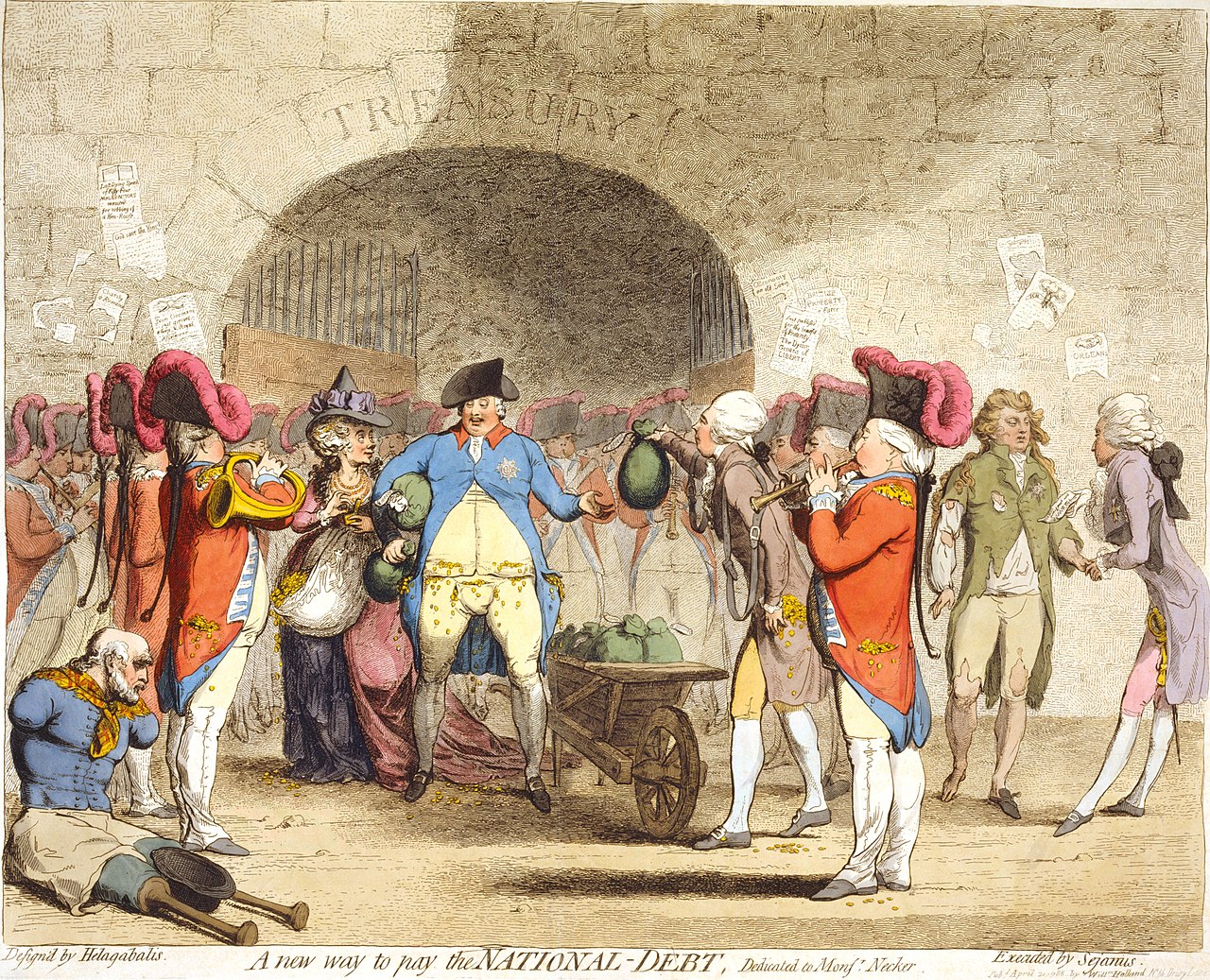
Pitt made finances the centrepiece of his domestic program. As Chancellor and then as prime minister he confronted a national economy recovering from war and taxed by high borrowing. His measures emphasized greater efficiency in tax collection, the creation of mechanisms to manage public debt, and attempts to stabilize the public credit. He favored pragmatic, institutional solutions rather than sweeping social engineering and described himself as opposed to rigid party organisation, a stance that sometimes placed him between Whigs and Tories.
Foreign affairs, the French Revolution and the Act of Union
Pitt’s time in office was dominated by international events. The outbreak of the French Revolution and the rise of Napoleon created a foreign policy that required military preparedness, alliances, and sustained public finance. Domestically, one of the most consequential acts of his ministry was negotiating the legislative union by which the separate parliament of the kingdom of Ireland merged with Great Britain to form the United Kingdom of Great Britain and Ireland on 1 January 1801. Pitt continued as head of government in the reconstituted body and worked within the new Parliament, though the political strains of the union, the war, and religious questions led to his resignation in 1801; he later returned to power in 1804.
Notable initiatives and contemporary debates
- Fiscal measures to manage national debt and to strengthen Britain’s credit.
- Administrative reforms to improve revenue collection and public accounts.
- Steadfast leadership through a period of European conflict and domestic anxiety about revolutionary ideas.
- Controversies over Catholic emancipation: Pitt supported measures to relieve restrictions on Roman Catholics, but disagreement with the monarch over timing contributed to his 1801 resignation.
Legacy and historical assessment
Pitt is remembered as an able and energetic administrator whose tenure shaped Britain’s fiscal and constitutional posture at a critical moment. He combined financial expertise with a cautious political philosophy that resisted the formation of a rigid party machine, even as partisan divisions hardened around him. Historians credit him with strengthening Britain’s financial foundations and guiding the country through military and diplomatic crises; critics point to the limitations of his social reforms and the authoritarian tendencies of wartime policy. He died in office in 1806, leaving a mixed but substantial legacy as a statesman who guided Britain from the age of empire into the Napoleonic era.
Questions and answers
Q: Who was William Pitt the Younger?
A: William Pitt the Younger was a British politician of the late eighteenth and early nineteenth centuries. He served as Chancellor of the Exchequer from 1782—1783, 1783—1801 and 1804—1806, and as Prime Minister of the United Kingdom from 1783 to 1801, and again from 1804 until his death.
Q: How is he distinguished from his father?
A: He is known as "William Pitt the Younger" to distinguish him from his father, William Pitt the Elder, who also served as prime minster.
Q: When did Ireland join with Great Britain?
A: During his time as prime minister, the kingdom of Ireland joined with Great Britain and both kingdoms became the United Kingdom of Great Britain and Ireland on 1 January 1801.
Q: What significant events occurred during William Pitt Jr.'s presidency?
A: The period of William Pitt Jr.'s presidency was during the reign of King George III and was accompanied by significant events in Europe such as the French Revolution and Napoleonic Wars.
Q: Was he affiliated with any political party?
A: Pitt is often considered a Conservative party member but he considered himself non-partisan and generally opposed a strict party political system.
Author
AlegsaOnline.com William Pitt the Younger: Britain’s youngest prime minister and fiscal reformer Leandro Alegsa
URL: https://en.alegsaonline.com/art/132973