
William Haines: Silent‑Era Star Who Became a Designer
Overview of Charles William "Billy" Haines, a popular silent‑film actor who left Hollywood and built a successful interior‑design practice with his partner Jimmie Shields.
Overview
Charles William "Billy" Haines (1900–1973) was an American film actor in the silent and early sound eras who later became a noted interior designer. Celebrated for his on‑screen charm and comic timing, he converted his public persona and taste into a prosperous design business after leaving the movie industry.
Image gallery
4 Images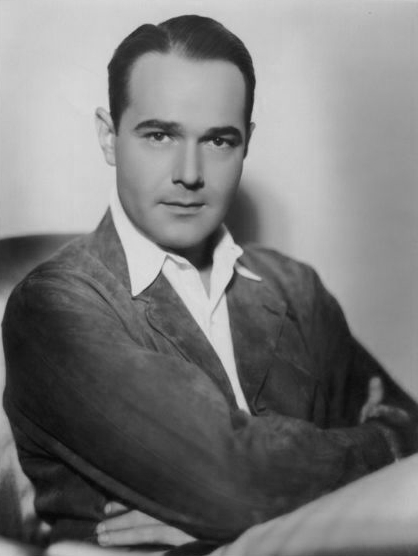


Film career and screen persona
Haines rose to prominence in the 1920s as a leading man in light comedies and romantic roles. His screen image was affable and urbane, and he was a recognizable box‑office presence during the silent era and the early years of talking pictures. He worked within the studio system and developed a reputation for natural humor rather than broad slapstick.
Departure from Hollywood
At the height of his popularity, Haines's career ended abruptly when studio executives pressured him to obscure or alter his private life. He refused a arranged marriage that would have concealed his long‑term relationship with his partner, Jimmie Shields, and was dismissed from his studio contract. Rather than compromise his personal integrity, Haines chose to leave motion pictures permanently.
Interior design career
After films, Haines and Shields established a design practice that catered to wealthy and celebrity clients. Their interiors were known for combining glamour with comfort: tailored furnishings, bold patterns, and an emphasis on livable elegance. The business thrived for decades and became Haines's primary legacy outside cinema.
Legacy and significance
Haines is remembered for two intertwined achievements: his role as a popular early film star and his success as a designer who built a life with his partner despite Hollywood pressure. He is often cited in discussions about early Hollywood attitudes toward sexuality and about the emergence of a distinct Hollywood residential aesthetic.
Further reading
- Biographical profile of William Haines
- Silent film era context and history
- Accounts of actors transitioning to other careers
- Overview of Haines's interior design work
- Background on the silent motion picture industry
- Studio system and executive decisions in early Hollywood
- Discussion of sexuality and public life in Hollywood history
Questions and answers
Q: Who was William Haines?
A: William Haines was an American movie actor and interior designer.
Q: When was William Haines born and when did he die?
A: William Haines was born on January 2, 1900, and he died on December 26, 1973.
Q: What was William Haines famous for?
A: William Haines was famous for being a popular star of the silent movie era.
Q: Why was William Haines fired by MGM studio head Louis B. Mayer?
A: William Haines was fired by MGM studio head Louis B. Mayer because he refused to enter into a marriage of convenience.
Q: Did William Haines ever return to movies after he was fired by MGM?
A: No, William Haines never returned to movies.
Q: What did William Haines do after he was fired by MGM?
A: William Haines started a successful interior design business with his lifelong male partner Jimmie Shields.
Q: Who was William Haines' lifelong male partner?
A: William Haines' lifelong male partner was Jimmie Shields.
Author
AlegsaOnline.com William Haines: Silent‑Era Star Who Became a Designer Leandro Alegsa
URL: https://en.alegsaonline.com/art/132923