
Wilhelm II — Last German Emperor and King of Prussia (1859–1941)
Last German Emperor and King of Prussia (r. 1888–1918). His naval expansion, Weltpolitik, and support for Austria‑Hungary affected pre‑World War I tensions; he lived in Dutch exile until 1941.
Overview
Friedrich Wilhelm Viktor Albert von Hohenzollern, known as Wilhelm II, was the last German Emperor (Kaiser) and King of Prussia, reigning from 1888 until his abdication in 1918. Born into the House of Hohenzollern, he became head of state during the "Year of the Three Emperors." His reign saw ambitious foreign and naval policies, growing international competition, and the end of the imperial order that gave way to the Weimar Republic. Wilhelm's life and decisions are central to the study of late 19th‑ and early 20th‑century Germany and the history of Prussia.
Image gallery
10 Images


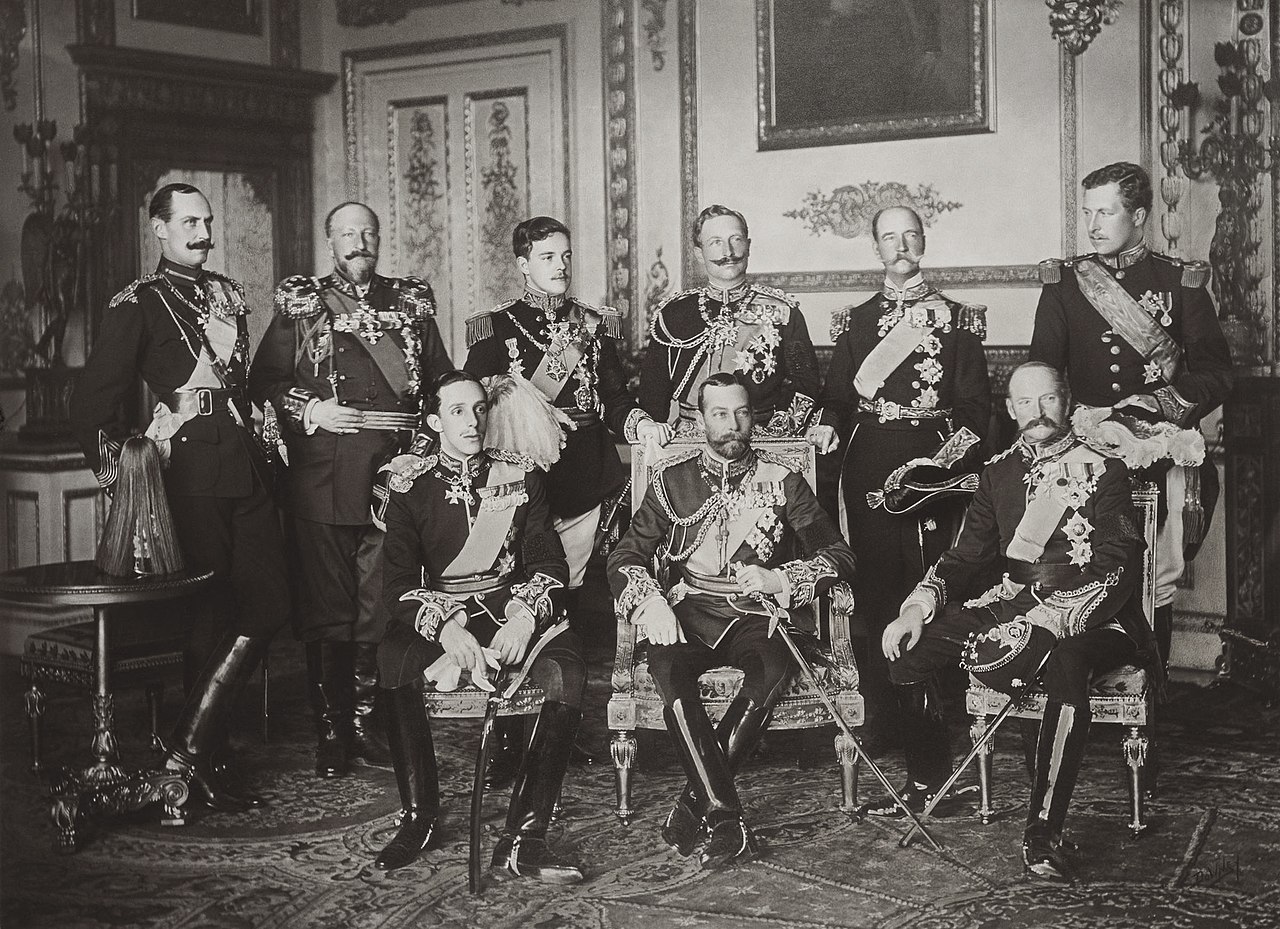
Early life and accession
Born on 27 January 1859, Wilhelm was raised in the traditions of the Prussian monarchy and the German Empire. He succeeded his grandfather and father in 1888, a year sometimes called the "Year of the Three Emperors," at a moment when the newly unified German state was consolidating its position in Europe and overseas.
Domestic role and politics
Wilhelm operated within a constitutional monarchy that granted substantial prerogatives to the emperor, including the appointment of the chancellor and command of the armed forces. Early in his reign he dismissed the long‑serving chancellor Otto von Bismarck, signaling a shift from Bismarck's cautious Realpolitik to a more assertive leadership style. Domestically, industrial growth, social tensions, and conservative monarchical authority shaped policy and political conflict.
Weltpolitik and naval expansion
Wilhelm promoted a policy often called Weltpolitik, aimed at enhancing Germany's international standing by expanding its navy and overseas interests. He supported construction of the High Seas Fleet and encouraged colonial and commercial penetration abroad. The naval buildup heightened competition with other great powers and contributed to international rivalries that complicated European diplomacy.
Colonial ventures and interventions
Under Wilhelm the empire pursued colonial expansion and occasionally used military force overseas. Germany joined an international expedition during the Boxer Rebellion in China around 1900 and administered a variety of colonial territories. These actions were part of a broader pattern of great‑power activity in Africa, Asia and the Pacific that increased global tensions.
July Crisis and World War I
In July 1914, following the assassination of Archduke Franz Ferdinand, Wilhelm offered support to Austria‑Hungary; his communications to Emperor Franz Joseph I of Austria and Germany's general mobilization were among the events that precipitated the wider war. Historians debate the balance between his personal influence and the systemic forces—alliances, militarism, and nationalism—that produced the conflict. The resulting First World War brought immense military and civilian suffering and ultimately Germany's defeat.
Abdication and exile
Facing military collapse, political revolution and loss of support at home, Wilhelm abdicated in November 1918 (abdicated) and went into exile in the neutral Netherlands. He lived at Huis Doorn, where he kept up correspondence, maintained contacts with former officials, and reflected on his reign. The end of the war marked the end of the German monarchic era and the loss of overseas colonies and imperial privileges.
Later life, death and burial
Wilhelm remained in Dutch exile after the armistice and the establishment of the Weimar Republic. He died at Huis Doorn on 4 June 1941. During the interwar and early Nazi period he refused to have his remains returned to or interred in Nazi Germany, and his grave remains at the Dutch estate where he spent his final decades.
Historical assessment and legacy
Assessments of Wilhelm II vary. Some historians emphasize his personal role in aggressive diplomacy and military expansion; others stress structural causes of conflict and the limits of monarchical power in a changing society. He is credited with contributing to Germany's modernization and industrialization, while also being criticized for rhetoric and choices that exacerbated international tensions. The complexity of his personality, physical disability, court culture and the constitutional framework of the empire complicate simple judgments.
Timeline and key facts
- Born: 27 January 1859
- Reign as German Emperor and King of Prussia: 1888–1918
- Participation in international interventions, including the Boxer Rebellion
- Support for Austria‑Hungary in 1914 and role in the July Crisis (Franz Joseph I)
- Abdicated and went into exile in the Netherlands in 1918 (abdicated)
- Died at Huis Doorn, Netherlands, 4 June 1941; refused burial in Nazi Germany
For further reading on the political transformations of the period and the end of imperial Germany, see general surveys of European diplomatic history and specialized biographies of Wilhelm II and his contemporaries. Scholarly literature continues to debate how far individual agency and broader structural forces combined to shape the course of events under his reign.
Author
AlegsaOnline.com Wilhelm II — Last German Emperor and King of Prussia (1859–1941) Leandro Alegsa
URL: https://en.alegsaonline.com/art/132862