
Bosnian genocide: overview, Srebrenica, and international accountability
The Bosnian genocide refers to mass killings and ethnic cleansing during the 1992–1995 Bosnian War, most notably the 1995 Srebrenica massacre, and the subsequent international trials and legal rulings.
Overview
The term Bosnian genocide is used to describe systematic mass violence and targeted killings of Bosnian Muslims (commonly called Bosniaks) and other civilians during the conflict in Bosnia and Herzegovina in the 1990s. The most internationally recognized episode is the mass murder in Srebrenica in July 1995, which has been described as genocide by international courts.
Image gallery
10 Images



Background
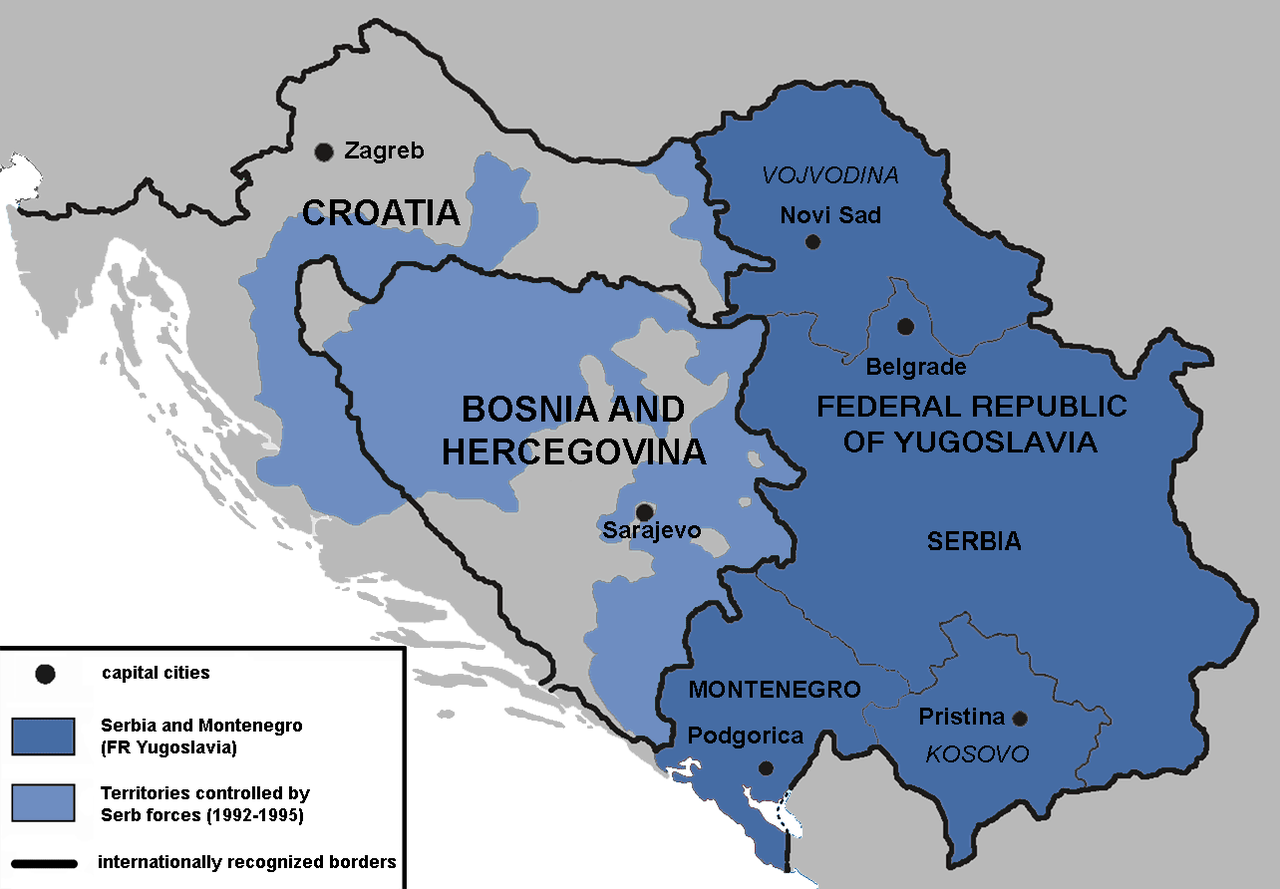
The events took place in the context of the breakup of Yugoslavia and the Bosnian War. Competing nationalist projects and armed forces from different communities—Bosniaks, Serbs, and Croats—fought for territory and control. Violence included direct attacks on civilians, expulsions, and efforts to alter the ethnic makeup of populated areas.
The Srebrenica massacre
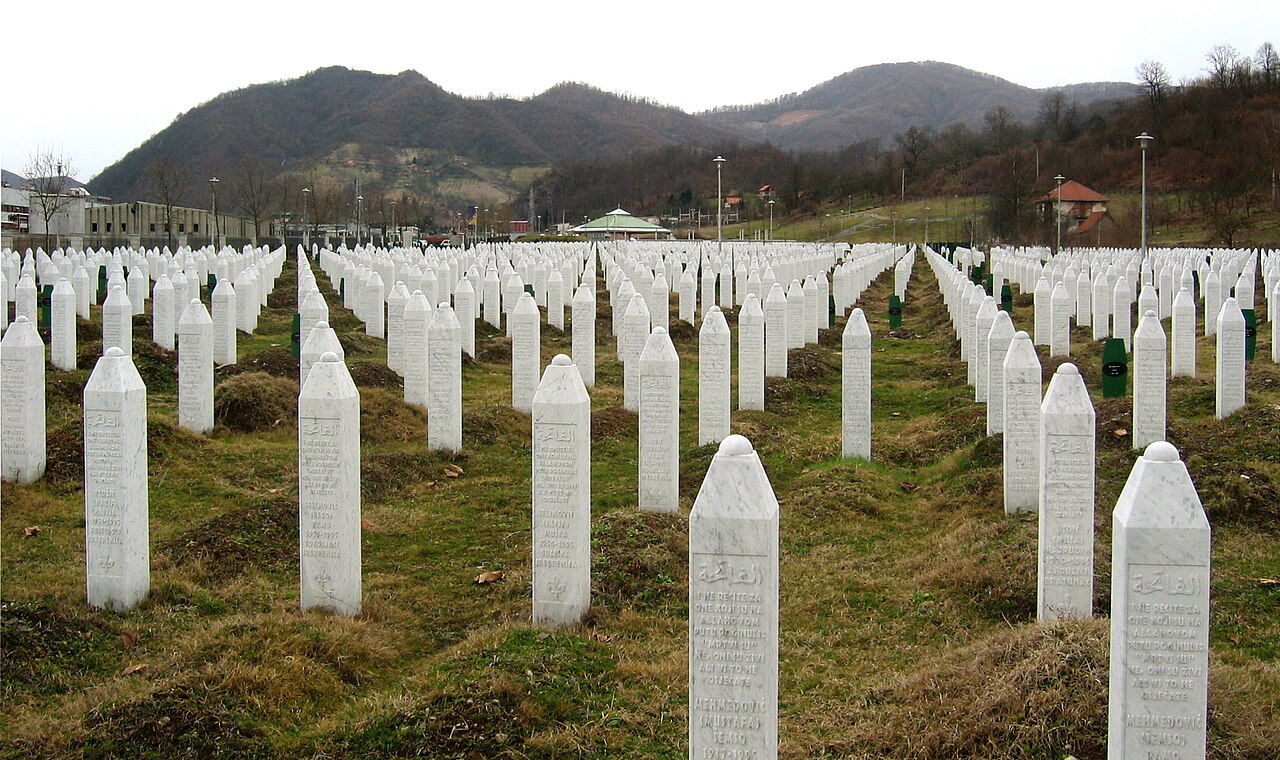
In July 1995, Bosnian Serb forces overran the UN-declared safe area of Srebrenica. More than 8,000 Bosniak men and boys were separated from the rest of the population and killed; many bodies were buried in mass graves. The killings at Srebrenica are central to international findings that acts committed there constituted genocide. For a focused account, see the Srebrenica massacre.
Patterns and methods
Violence during the war included a range of crimes against civilians:
- Mass executions and summary killings;
- Forced deportation and ethnic cleansing of towns and villages;
- Widespread sexual violence used as a weapon of war;
- Detention camps, torture, and destruction of cultural and religious sites.
Legal accountability
International institutions investigated and prosecuted senior political and military figures for genocide, crimes against humanity, and war crimes. The International Criminal Tribunal for the former Yugoslavia (ICTY) tried multiple leaders, and the International Court of Justice (ICJ) ruled that the events at Srebrenica met the legal definition of genocide. Courts have also addressed state responsibilities such as the obligation to prevent and punish genocide.
Legacy and significance
The Bosnian genocide and the Srebrenica killings left deep social and political scars: survivors, families of victims, and displaced populations continue to seek justice, recognition, and burial of missing persons. The events had wide-reaching effects on international law, influencing how the world understands prevention, intervention, and accountability for mass atrocity crimes. Memorials, forensic identification efforts, and education programs remain important to remembrance and reconciliation.
Related articles
Author
AlegsaOnline.com Bosnian genocide: overview, Srebrenica, and international accountability Leandro Alegsa
URL: https://en.alegsaonline.com/art/13194