
Tariq Aziz: Iraqi Ba'athist diplomat and longtime deputy prime minister
Tariq Aziz (1936–2015) was an Iraqi politician and diplomat who served as Deputy Prime Minister and Foreign Minister under the Ba'athist government and acted as a principal adviser and spokesman.
Tariq Aziz, born Mikhail Yuhanna on 28 April 1936, was a prominent Iraqi politician and diplomat associated with the Arab Socialist Ba'ath Party (Ba'ath Party). For decades he was one of the closest civilian aides to President Saddam Hussein, serving as a regular public face of the regime. He combined an unusually visible international role with long tenure in senior government offices and was widely known both inside Iraq and abroad.
Image gallery
5 Images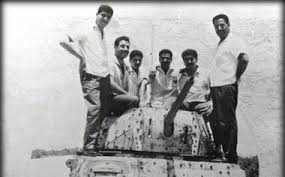


Career and public roles
Aziz held several senior posts during the Ba'athist period. He served as Deputy Prime Minister for many years and was the government's chief interlocutor in dealings with foreign media and diplomats. Key positions commonly cited in accounts of his career include:
- Deputy Prime Minister (service commonly recorded from the mid-1960s until the 2003 overthrow).
- Minister of Foreign Affairs (from 24 January 1983 to 22 March 1991), during which he led Iraqi delegations to major international forums.
Background and early life
Aziz was born in the town of Tel Keppe, near Mosul, into a family of the Chaldean Christian tradition; sources describe his family background as Chaldean Catholic. He studied English at Baghdad University (English language studies) and began his professional life as a journalist. He joined the Ba'ath Party in the late 1950s and rose steadily through party and government ranks, in part because of his language skills and ability to communicate with foreign correspondents and officials.
Diplomatic profile and responsibilities
Because he was a fluent English speaker and a Christian in a largely Muslim country, Aziz was frequently presented as the regime's secular, diplomatic face to Western audiences. He represented Iraq in numerous international meetings, defended government policy during the Iran–Iraq War and the 1990s Gulf crisis, and gave televised interviews abroad. Observers noted that his role combined formal diplomatic duties with political messaging on behalf of the Ba'ath leadership.
Arrest, legal process, and death
After the 2003 invasion of Iraq and the fall of Saddam's government, Aziz was arrested and subsequently detained by post‑war authorities. He was held in custody and faced legal proceedings related to his role in the former regime; details of those proceedings and their outcomes were part of a complex post‑2003 legal and political environment. Aziz spent the remainder of his life in detention and died in hospital on 5 June 2015 in Nasiriyah. Reports at the time attributed his death to cardiac arrest and noted he had suffered from heart disease, depression, diabetes and other health problems.
Legacy and notable facts
Tariq Aziz remains a controversial historical figure. Supporters and some commentators emphasized his role as a diplomat who sought to explain Iraq's positions internationally, while critics pointed to his seniority in a government responsible for human rights abuses and regional conflicts. He is also remembered as one of the most prominent Christians to hold high office in modern Iraqi politics, and as a person who bridged media, diplomacy and political power during a turbulent era.
Further reading and documentary material about Aziz and the Ba'ath period are available in specialist histories of modern Iraq and collections of contemporary diplomatic records. For more context on the Ba'athist government and the post‑2003 legal proceedings, consult authoritative studies and archival material on Iraq's late 20th‑century history.
Author
AlegsaOnline.com Tariq Aziz: Iraqi Ba'athist diplomat and longtime deputy prime minister Leandro Alegsa
URL: https://en.alegsaonline.com/art/131604