
E.T. the Extra‑Terrestrial: overview, production, themes and legacy
A concise encyclopedia entry on Steven Spielberg’s 1982 film E.T.: creation, plot, production, score, critical reception, cultural impact and notable facts about re-releases and legacy.
Overview
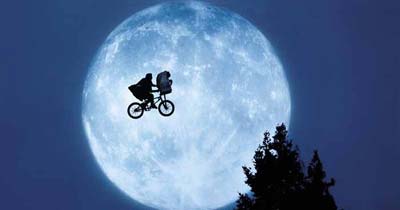
E.T. the Extra‑Terrestrial is a 1982 American science fiction film produced and directed by Steven Spielberg and written by Melissa Mathison. The story centers on a gentle alien stranded on Earth who is discovered and sheltered by a young boy named Elliott and his siblings. The children form an emotional bond with the creature, conceal it from adults and government agents, and try to help it return home. The film introduced several memorable images and lines—most famously the motif of the bicycle silhouette against the moon and the phrase often paraphrased as "E.T. phone home."
Image gallery
10 Images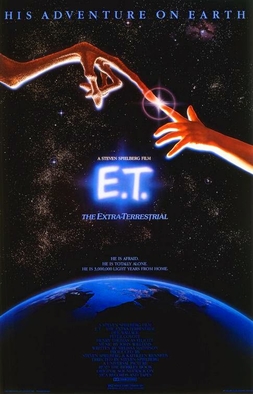




Production and release
Principal photography took place in late 1981 with a modest production budget for the time (commonly reported as $10.5 million). Spielberg produced and directed, collaborating with a creative team that included composer John Williams, whose score became one of the film's defining elements. Universal Pictures released the film on June 11, 1982. It was an immediate commercial phenomenon and, at the time, became the highest‑grossing film ever, a distinction it held until Spielberg's Jurassic Park surpassed it in the early 1990s.
Plot, characters and cast
- Protagonist: Elliott, a young boy who first finds and befriends the alien.
- Family: Elliott's mother and siblings play key roles in hiding and protecting the creature.
- Antagonists/forces: government agents and scientists who seek to study the alien.
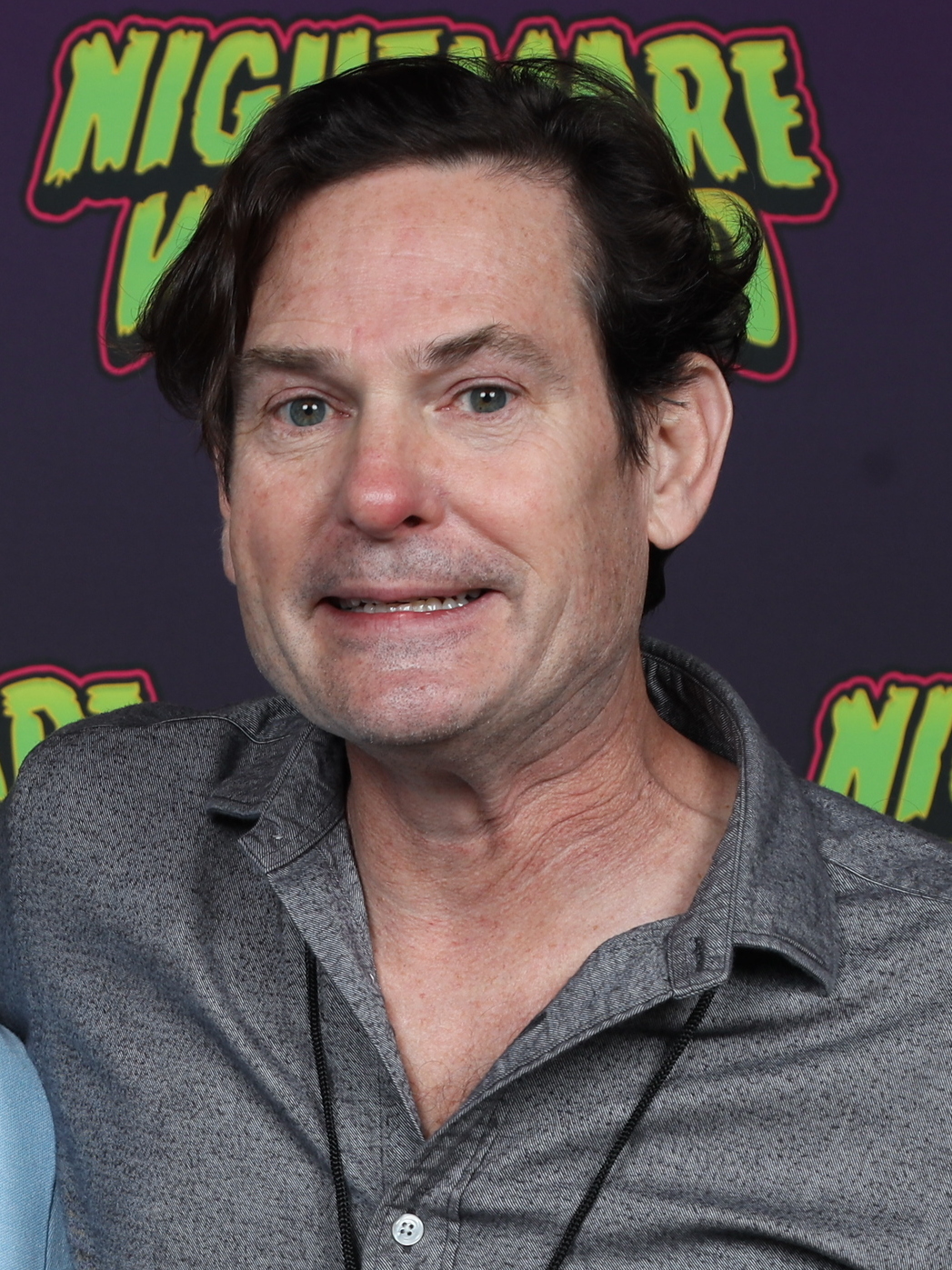
Principal performers include Henry Thomas as Elliott, Drew Barrymore as his younger sister, and a supporting ensemble that helps sell both the family drama and the sense of wonder. The alien itself was portrayed through a combination of puppetry, animatronics and actor‑in‑suit techniques; a distinctive, nonhuman design and voice work helped give it personality and emotional expression.
Themes, score and filmmaking approach
E.T. blends family drama with science fiction. Its central themes are childhood innocence, empathy, family bonds and the tension between curiosity and institutional control. Spielberg emphasized emotional storytelling and childlike perspective over spectacle, a choice reinforced by Williams's lyrical score, which underscores the film's sentimental and adventurous tones. The filmmaking marries intimate domestic scenes with broader set pieces involving pursuit and rescue.
Reception and legacy
Critics praised the film's emotional impact, performances, and music; it received widespread acclaim and multiple awards, including recognition for its original score. Commercially, it spawned a vast cultural footprint: widespread merchandise, television references, parodies and enduring imagery. The film has been cited often in discussions of family‑oriented science fiction and 1980s American cinema.
Re‑releases, edits and controversies
E.T. was reissued in theaters several times, notably in the mid‑1980s and a 20th‑anniversary edition in 2002 that included subtle visual changes and added effects. Some viewers welcomed restored scenes or technical refinements, while others criticized alterations that they felt changed the original tone. These reissues have kept the film part of ongoing conversations about preservation, director's intent and fan attachment to original theatrical versions.
Notable facts
- The film's highest‑grossing record exemplified the commercial reach of family science fiction in the 1980s and helped solidify Spielberg's status as a major filmmaker; it remained culturally prominent for decades.
- John Williams's score is frequently cited as one of the most recognizable film themes of its era.
- Its combination of technical puppetry and strong child performances set a benchmark for creature‑drama films that followed.
For further reference on the film's production, score, and critical history, see entries and retrospective analyses available through film archives and scholarly resources—details and commentary can be found via published film studies and historical summaries about Spielberg, on Melissa Mathison, and research into the film's cultural impact and merchandise. Additional retrospectives and box office accounts are available through industry overviews and archival reports, while interviews and making‑of features provide firsthand perspectives from cast and crew.
Author
AlegsaOnline.com E.T. the Extra‑Terrestrial: overview, production, themes and legacy Leandro Alegsa
URL: https://en.alegsaonline.com/art/137774