
Shehu Shagari: President of Nigeria's Second Republic
Biography and overview of Shehu Usman Aliyu Shagari (1925–2018), his political career, presidency from 1979–1983, removal by a military coup, and later life and legacy.
Overview
Shehu Usman Aliyu Shagari (25 February 1925 – 28 December 2018) was a Nigerian statesman who served as the democratically elected head of state during Nigeria's Second Republic. He led a civilian government from 1979 until the end of 1983. Often addressed by his traditional title, Turakin Sakkwato, Shagari was a central figure in the post-military transition that followed General Olusegun Obasanjo's stewardship of the country. Contemporary profiles describe him variously as a teacher-turned-politician, a party leader, and a negotiator between regional interests and a national agenda. See a brief profile: profile.
Image gallery
10 Images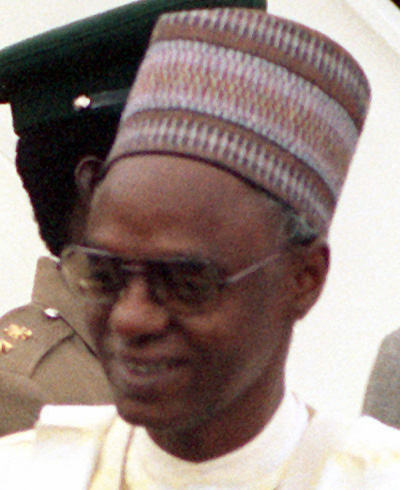




Early career and political ascent
Before becoming president, Shagari built a long career in public life that combined administrative, legislative and party roles. He became prominent within the National Party of Nigeria (NPN), which was the leading political formation during the Second Republic. His experience in government and politics included representation at national levels and service during earlier constitutional eras. Sources describe him widely as a committed advocate of national unity and development. For context on his political milieu, see a general reference to political life.
Presidency (1979–1983)
Shagari assumed office in 1979 after a transition from the military government. His administration pursued programs aimed at economic growth, rural development and infrastructural projects, while also navigating the challenges of oil-dependent revenue and regional expectations. His government sought to restore civilian institutions, manage federal–state relations, and engage with international partners. The handover that brought his administration to power followed the military stewardship of Olusegun Obasanjo. Shagari was sworn in as President in a ceremony that marked the formal return to elected governance.
Removal from office and later life
In late 1983, the Shagari administration was removed by a military coup that ended the Second Republic and installed a new military government. The takeover reshaped Nigeria's political trajectory for the following years. After leaving office, Shagari remained a public figure and elder statesman, engaged in advisory roles and national discussions. He died on 28 December 2018 in a hospital in Abuja after a short illness, aged 93.
Legacy and notable facts
Assessments of Shagari's leadership note both his role in restoring elected government and the economic and political difficulties his administration faced. His legacy includes debates about governance in periods of rapid change, the management of oil wealth, and the balance between regional interests and national policy. He is remembered for his conciliatory style and his long public service career.
Key aspects at a glance
- Full name: Shehu Usman Aliyu Shagari; born 1925, died 2018.
- Title: Turakin Sakkwato; prominent northern traditional honorific.
- Political alignment: Leader in the National Party of Nigeria (NPN) during the Second Republic.
- Historical notes: Took office after military rule and was removed by a military coup in 1983.
For further reading and archival material, official and historical summaries may be consulted through national record collections and political histories that address Nigeria's Second Republic and transitions between military and civilian rule.
Author
AlegsaOnline.com Shehu Shagari: President of Nigeria's Second Republic Leandro Alegsa
URL: https://en.alegsaonline.com/art/130810