
Abuja — Capital city of Nigeria
Abuja is the purpose-built capital of Nigeria, located in the Federal Capital Territory. It hosts national government institutions, diplomatic missions, and key landmarks such as Aso Rock and the National Mosque.
Overview
Abuja is the national capital of Nigeria, located near the geographic center of the country within the Federal Capital Territory. Designed and built to serve as the seat of government, it officially became the capital in 1991, replacing Lagos. Today Abuja functions as the administrative, political and diplomatic heart of Nigeria and is home to a diverse and growing urban population of roughly a few million residents.
Image gallery
10 Images




Design and layout
As a planned city, Abuja was conceived with zoning for government, residential, commercial and green areas. The city’s layout includes a Central Business District and distinct residential districts of varying densities. Roads, civic spaces and utilities were integrated during planning to accommodate future growth, with large open areas around important government buildings and natural features.
History and development
The idea of relocating the capital originated from concerns about congestion, coastal vulnerability and to provide a more central administrative location. Construction began in the late 20th century and the first completed sections were in use by the late 1980s. In December 1991 the capital functions formally moved to Abuja. The city continued to expand as government institutions, foreign embassies and private investment established themselves.
Role, economy and institutions
Abuja hosts Nigeria’s principal government organs: the presidential seat, national legislature and many federal ministries. It also accommodates diplomatic missions and international organizations, which concentrate political and diplomatic activity. The local economy is driven by government employment, services, construction and commerce; the nearby Federal Capital Territory administration manages growth and land use.
Landmarks and culture
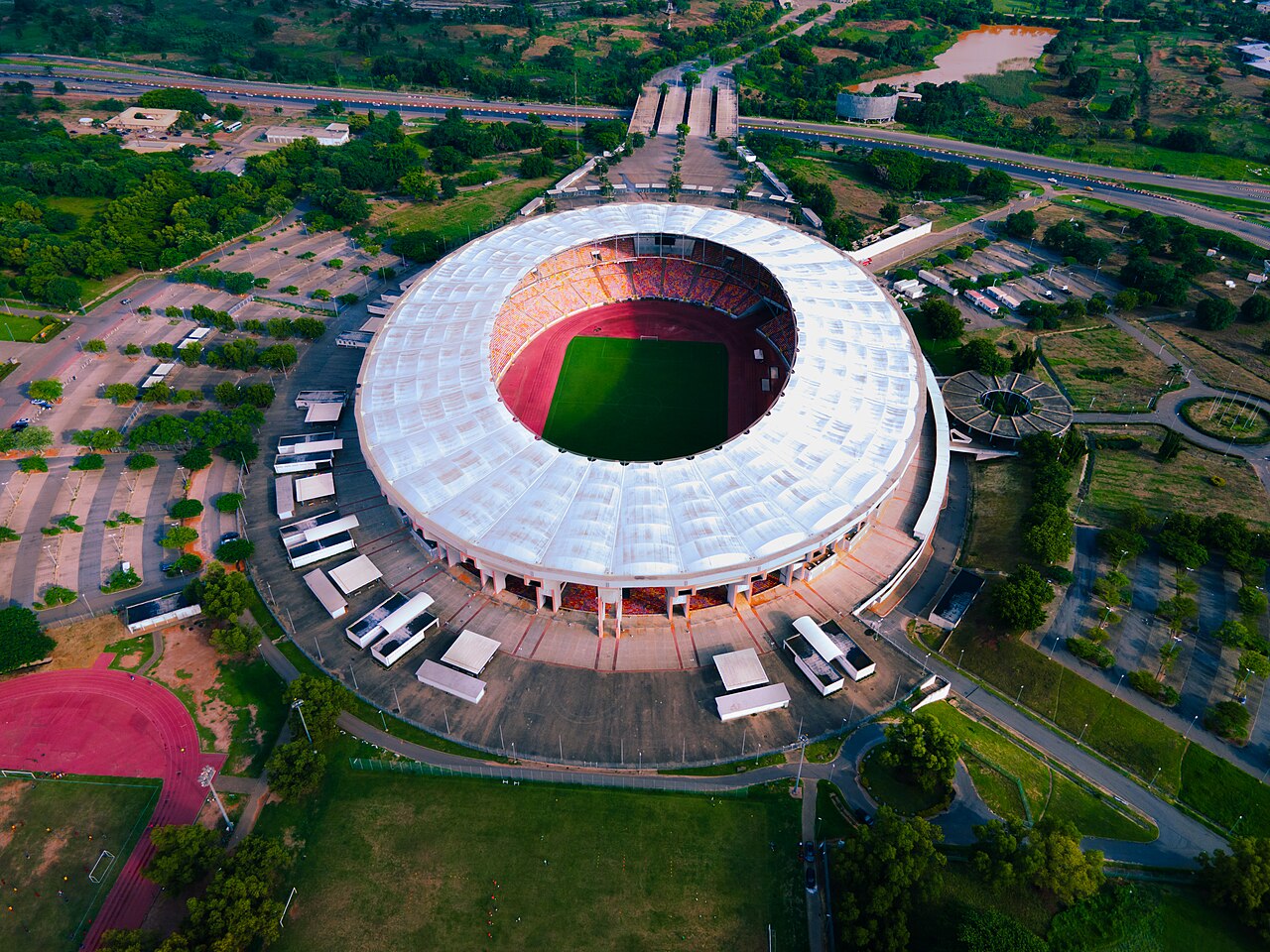
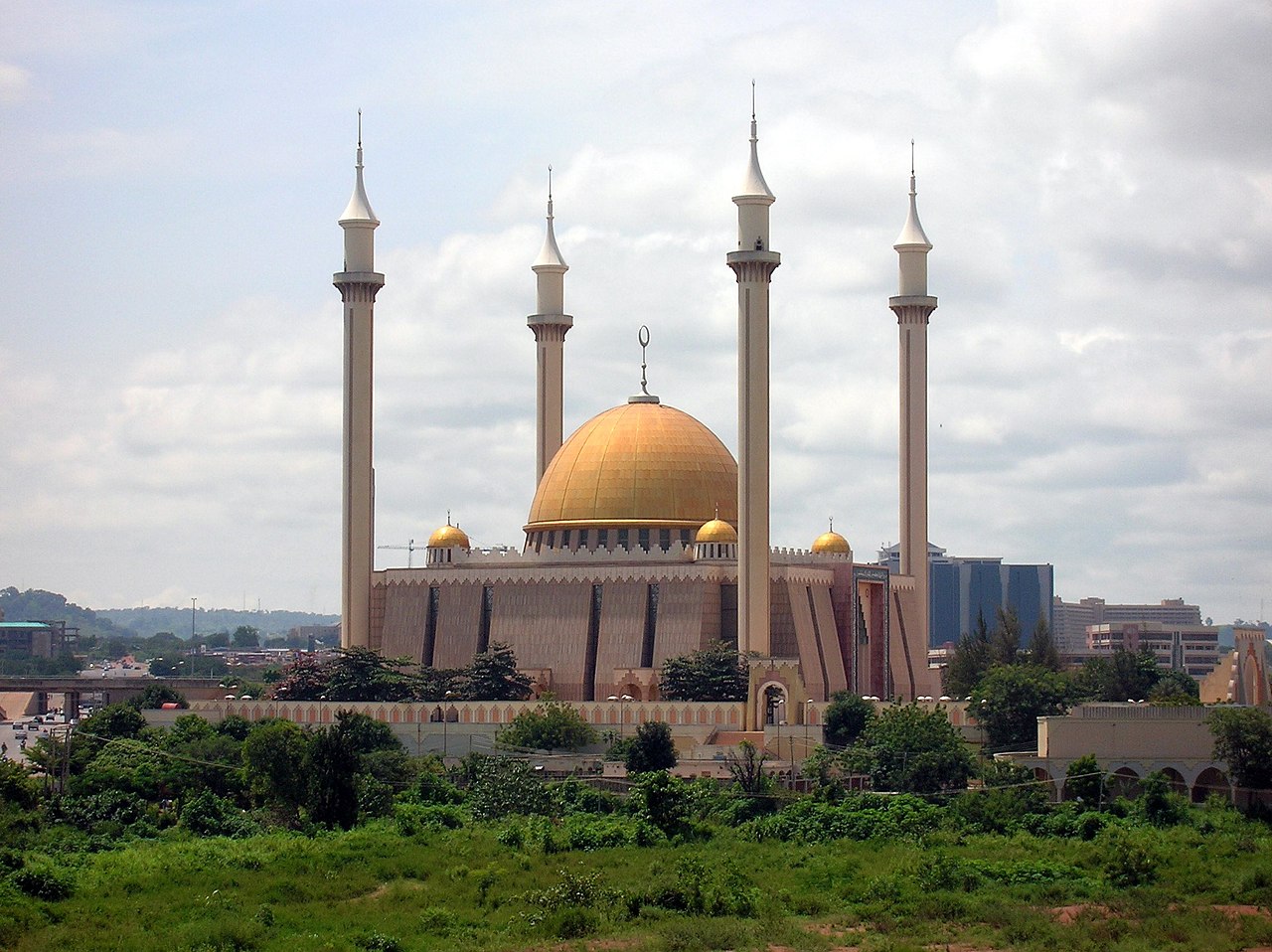
Notable landmarks and public sites include the granite outcrop Aso Rock, the National Mosque, the National Christian Centre and the Central Business District. The city contains cultural venues, parks and markets where a variety of regional cuisines and crafts are available. Transport links include a major international airport serving the capital region.
Challenges and distinctive facts
Rapid population growth has created pressures common to many fast-growing capitals: housing demand, infrastructure needs and informal settlements. At the same time, Abuja’s planned origin and central location distinguish it from older, organically grown Nigerian cities. For more background on Nigeria and the capital decision see Nigeria and materials on city design.
- Type: purpose-built national capital
- Location: central Nigeria, Federal Capital Territory
- Functions: government, diplomacy, commerce
Related articles
Author
AlegsaOnline.com Abuja — Capital city of Nigeria Leandro Alegsa
URL: https://en.alegsaonline.com/art/550