
Shaun Woodward — British politician and former Northern Ireland secretary
Overview of Shaun Woodward, born 1958 in Bristol; elected as a Conservative MP in 1997, defected to Labour in 1999, later MP for St Helens South and Secretary of State for Northern Ireland (2007–2010).
Shaun Anthony Woodward (born 26 October 1958 in Bristol, England) is a British politician known for a high-profile party switch and senior roles dealing with Northern Ireland. His parliamentary career spans election as a Conservative MP, defection to the Labour Party, and later ministerial office. Woodward's career has been noted for involvement in devolution and peace-era governance in Northern Ireland.
Image gallery
1 Image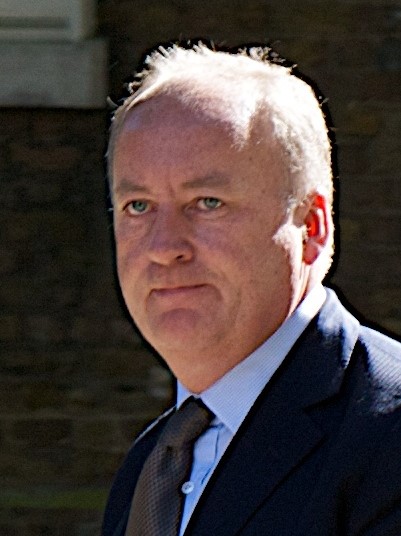
Parliamentary career and party change
Woodward was first returned to the House of Commons at the 1997 general election as the Conservative MP for the rural Oxfordshire constituency of Witney. In December 1999 he announced his decision to join the Labour Party, a move that attracted media attention and debate about principle and political alignment. He stood as Labour's candidate in 2001 and was elected for the safe Labour seat of St Helens South, moving from a southern rural constituency to represent a town in the north-west of England.
Ministerial office and responsibilities
After serving on Labour benches, Woodward held ministerial responsibilities related to culture and Northern Ireland. He became Secretary of State for Northern Ireland in 2007 and served in that post until 2010, a period that involved working with devolved institutions and political parties in Belfast. Following Labour's defeat in 2010 he continued to hold senior shadow responsibilities and was appointed by Ed Miliband as Shadow Secretary of State for Northern Ireland, a role in which he scrutinised government policy and engaged with devolved stakeholders.
Roles and chronology
- Elected as Conservative MP (Witney) — 1997 (Conservative Party).
- Defected to Labour — 1999; selected for and elected in St Helens South in 2001 (Labour Party).
- Served as Secretary of State for Northern Ireland (2007–2010) and later Shadow Secretary (Shadow Secretary of State for Northern Ireland under Ed Miliband).
Political positions, controversies and significance
Woodward's defection from the Conservatives to Labour provoked criticism from some former colleagues and discussion about the ethics of party switching. His selection for a safe Labour seat also prompted debate over candidate parachuting and local representation. As a minister and shadow minister focused on Northern Ireland, Woodward worked on issues linked to devolution, policing, legacy matters and the ongoing normalization of governance after decades of conflict. He has also been one of the more prominent openly gay figures in UK politics, which has informed public discussion about diversity in public life.
Assessment and later activity
Observers characterise Woodward as a pragmatic centrist who navigated significant political transition during his career. His tenure in Northern Ireland coincided with incremental work to strengthen institutions and cross-party arrangements. After frontline ministerial and shadow roles he continued to contribute to parliamentary and constituency matters, and his career remains a reference point in discussions about party allegiance, political careers, and governance in devolved contexts.
Author
AlegsaOnline.com Shaun Woodward — British politician and former Northern Ireland secretary Leandro Alegsa
URL: https://en.alegsaonline.com/art/130783