
Sejong the Great (1397–1450)
Korean king of the Joseon dynasty famed for creating Hangul, promoting scholarship, sponsoring scientific inventions, and instituting administrative and cultural reforms in the 15th century.
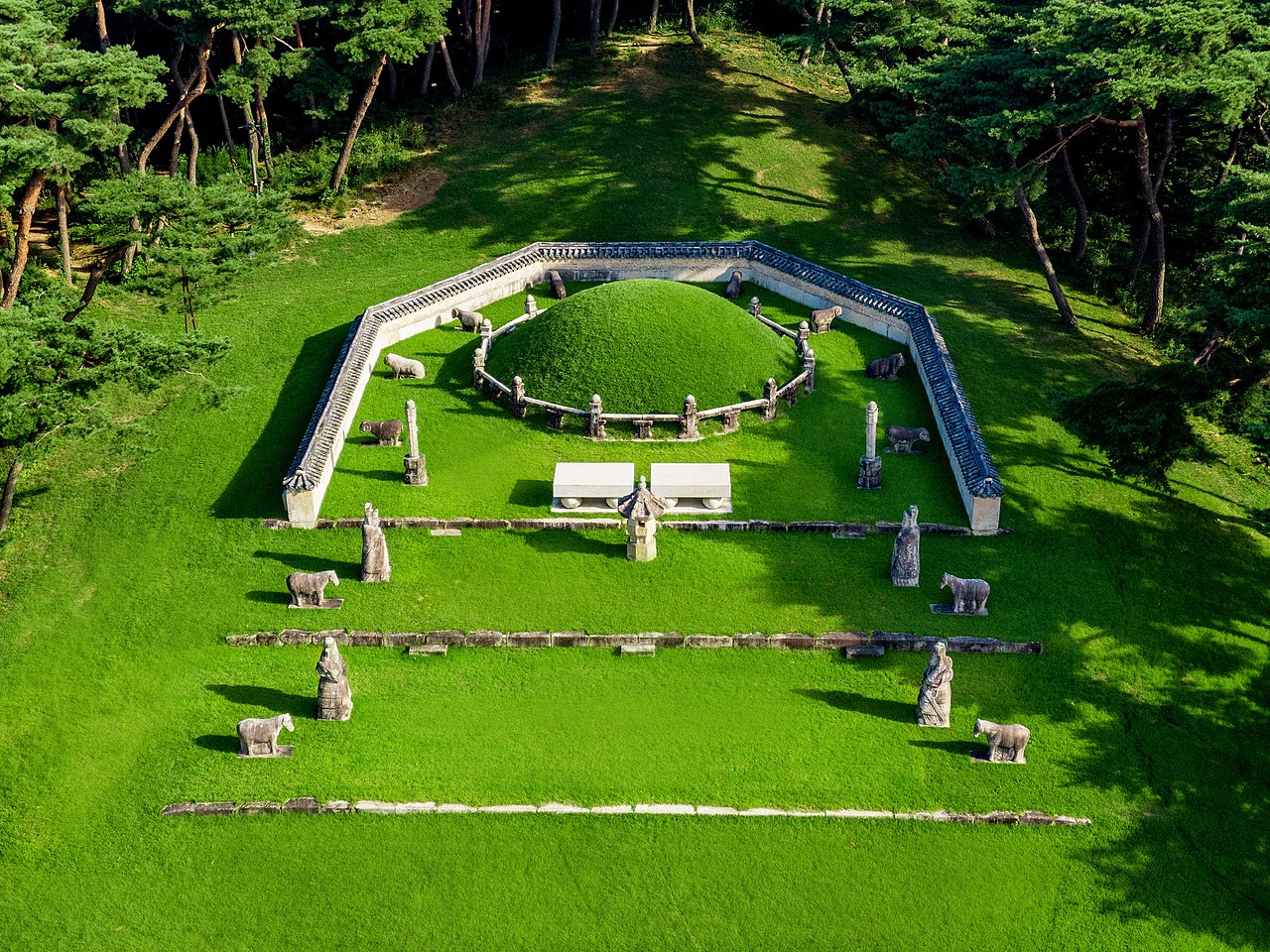
Sejong the Great (Korean: 세종, 1397–1450) was the fourth monarch of the Joseon dynasty and remains one of Korea's most celebrated rulers. He is widely remembered for broad cultural and administrative reforms, his patronage of scholarship and technology, and above all for commissioning a new, accessible writing system that transformed literacy. He is commonly referred to by the honorific "the Great," a distinction shared by only one other ruler in Korean history.
Image gallery
10 Images






Major achievements and reforms
Sejong established institutions and policies intended to improve governance and scholarly work. He expanded the royal research office known as the Hall of Worthies, which gathered scholars to advise the court, draft laws, compile histories, and develop practical projects for statecraft. He pursued a policy of meritocratic appointments that allowed talented people of lower social status to rise on ability rather than birth. Administratively, his reign saw efforts to stabilize taxation, refine legal codes, and improve agricultural techniques.
Creation of the Korean script
The most enduring legacy of Sejong is the development and promulgation of the Hunminjeongeum, the system devised to represent Korean speech and intended to make literacy attainable for common people. Commissioned by Sejong in the 1440s and promulgated in 1446, this work described the principles behind the new letters and how they corresponded to spoken sounds. The script he sponsored later became widely known as Hangul, and it replaced earlier reliance on Hanja (Chinese characters) for many functions, making reading and writing considerably easier for a broad population. The original work is often referenced by its Korean name or by its role as a state-sanctioned alphabet.
Science, technology, and material culture
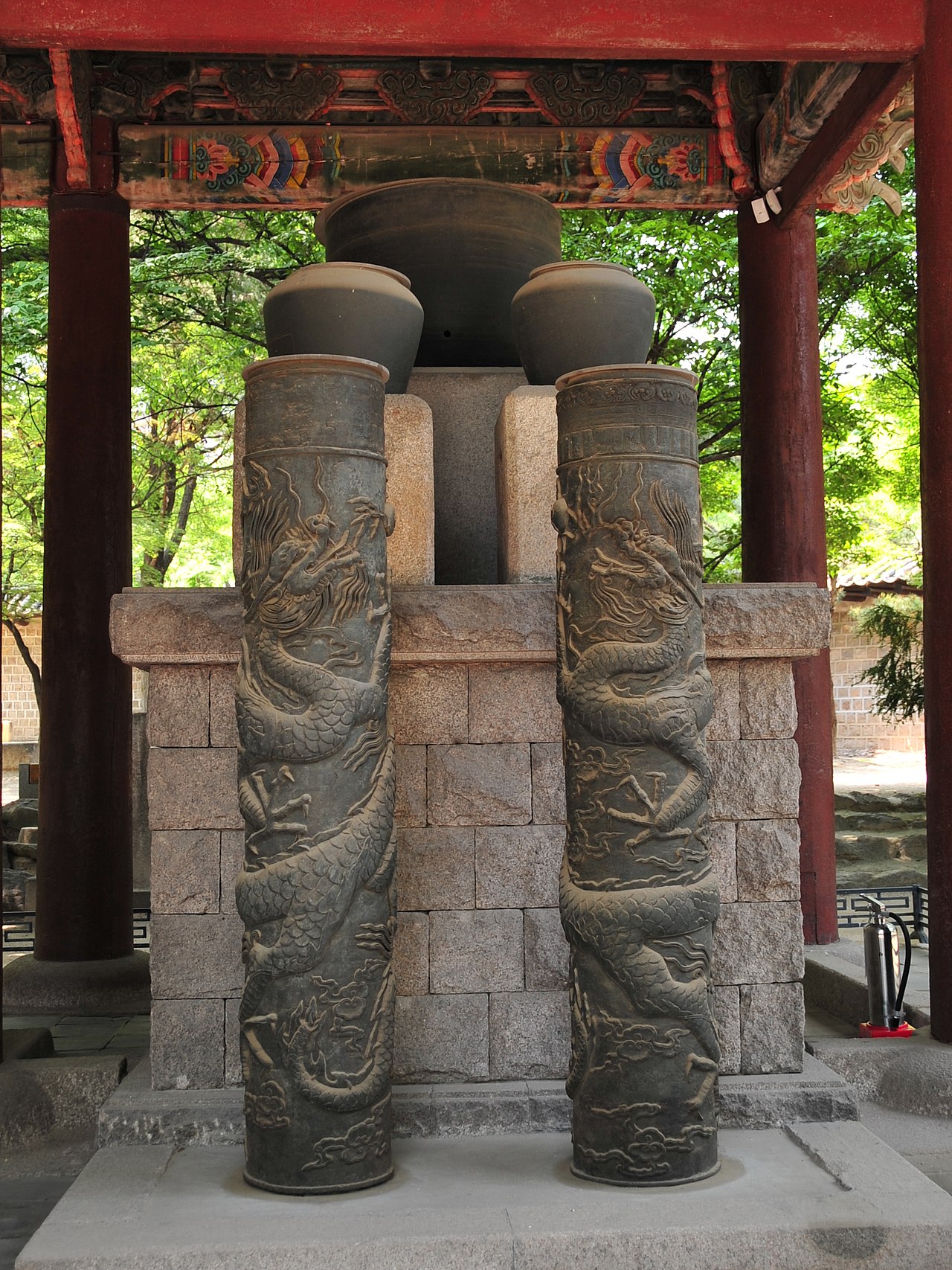
Sejong also promoted practical science and engineering. He supported skilled technicians and inventors to improve calendrical science, astronomy, and measuring instruments used in agriculture and state administration. One notable collaborator was Jang Yeongsil, a talented engineer elevated from humble origins; under Sejong’s patronage he developed devices such as a standardized rain gauge (the cheugugi) and improved water clocks and astronomical instruments. These projects helped the state collect better data on weather and seasons and refine timekeeping.
Territorial and military policy
During his reign Sejong managed frontier affairs and sought to secure the kingdom’s borders through diplomatic and military measures. He ordered fortifications and promoted military technologies and training to respond to incursions along northern and coastal frontiers. While not a conqueror in the manner of large-scale expansion, his rule consolidated Joseon’s control over its territory and improved the state’s capacity for defense.
Legacy and historical significance
Sejong’s reign is often judged a high point in early Joseon history because of the combination of intellectual ferment, practical governance, and concern for popular welfare. His encouragement of learning and invention, his efforts to broaden access to literacy through the Hunminjeongeum and the later spread of Korea’s native script, and his support for capable officials regardless of birth left a durable imprint on Korean society. For these reasons, Sejong is remembered both as a scholar-king and a reformer whose policies had long-term cultural and administrative effects.
- Promoted meritocracy: recruited talented commoners into government roles.
- Created a readable script: commissioned the Hunminjeongeum to improve literacy.
- Advanced science: sponsored instruments and measurements for agriculture and astronomy.
- Enduring reputation: honored as one of Korea’s greatest rulers.
Author
AlegsaOnline.com Sejong the Great (1397–1450) Leandro Alegsa
URL: https://en.alegsaonline.com/art/130661