
Sabah Al-Ahmad Al-Jaber Al-Sabah: Emir of Kuwait (2006–2020)
Overview of Sheikh Sabah Al-Ahmad Al-Jaber Al-Sabah, Kuwait's Emir from 2006 to 2020: his career in diplomacy, roles in government, humanitarian work, and legacy.
Overview
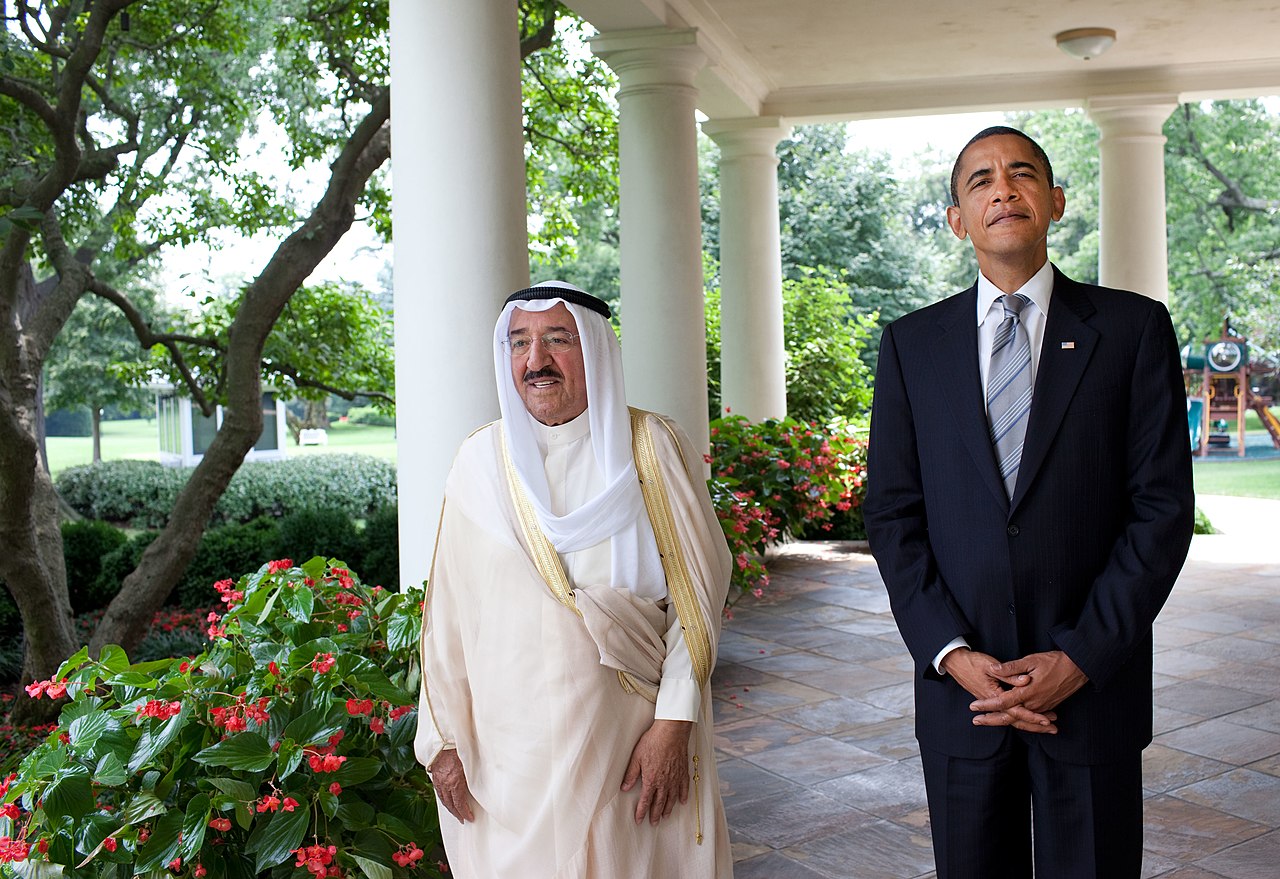
Sheikh Sabah Al-Ahmad Al-Jaber Al-Sabah (Arabic: الشيخ صباح الأحمد الجابر الصباح) served as the Emir of Kuwait from 29 January 2006 until his death in 2020. A senior member of the ruling Al-Sabah family, he was widely recognized for his long career in diplomacy and statesmanship. He held senior posts in Kuwait's government for decades and played a central role in shaping the country's foreign policy and humanitarian outreach.
Image gallery
9 Images




Career and public roles
Before becoming Emir, Sheikh Sabah was Kuwait's foreign minister for many years and later served as prime minister, developing a reputation as a patient negotiator and a trusted interlocutor in regional affairs. During his long tenure in public service, he represented Kuwait at international forums and cultivated relationships with governments worldwide. He received a number of foreign honors and was sometimes styled with honorifics such as GCB (Hon) for recognition of his diplomatic work.
- Foreign policy: Known for mediation and quiet diplomacy among Gulf and regional actors.
- Government leadership: Oversaw economic and administrative matters as a senior statesman prior to ascending the throne.
- International relations: Acted as Kuwait's principal envoy at key moments in the late 20th and early 21st centuries.
Humanitarian work and international reputation
Sheikh Sabah cultivated an international image as a proponent of humanitarian assistance. Under his leadership, Kuwait played an active role in funding relief programs, hosting displaced people in the region, and supporting reconstruction and development efforts after crises. Observers noted his emphasis on soft power — using aid, mediation and diplomacy rather than confrontation to address disputes.
Timeline and notable facts
Key stages of his public life can be summarized simply: a long diplomatic career, leadership roles in Kuwait's cabinet, elevation to emir in 2006, and more than a decade as head of state. For background on his life and official recognitions see biographical sources. His approach to leadership often combined traditional authority with pragmatic engagement in international institutions.
Personal life, final illness and legacy
In mid-2020 Sheikh Sabah was treated abroad for health issues; he was admitted to the Mayo Clinic in Rochester and underwent surgical procedures, as noted in official statements and reporting (medical update). He died on 29 September 2020 at the age of 91. His passing prompted condolences from regional and international leaders and reflections on Kuwait's role as a mediator and humanitarian contributor. For accounts of his tenure and its impact on Kuwait's foreign relations consult contemporary analyses and archives (Kuwait Emirate records).
Sheikh Sabah is remembered for steady stewardship during turbulent regional times, for prioritizing diplomacy and aid, and for positioning Kuwait as an interlocutor among competing interests in the Middle East. His legacy continues to inform discussions about small-state diplomacy and the use of humanitarian assistance in international relations.
Author
AlegsaOnline.com Sabah Al-Ahmad Al-Jaber Al-Sabah: Emir of Kuwait (2006–2020) Leandro Alegsa
URL: https://en.alegsaonline.com/art/130280