
Emir of Kuwait
The Emir of Kuwait is the hereditary monarch and head of state, a member of the Al‑Sabah dynasty who exercises constitutional and traditional authority within Kuwait's political system.
Overview
The Emir of Kuwait is the country's hereditary monarch and formal head of state. In practice the office combines traditional rulership with constitutional functions. The Emir is drawn from the Al‑Sabah family, which has governed the territory that became modern Kuwait for generations. The position is recognised as the highest authority in the state: the Emir represents the nation at home and abroad and is a central figure in Kuwaiti politics and society. For basic definitions see monarch and head of state, and for the country context see Kuwait.
Image gallery
10 Images

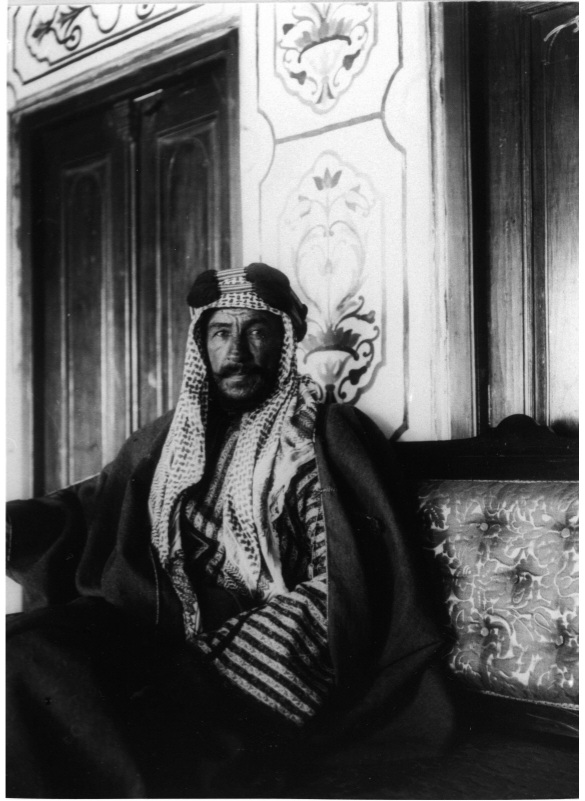
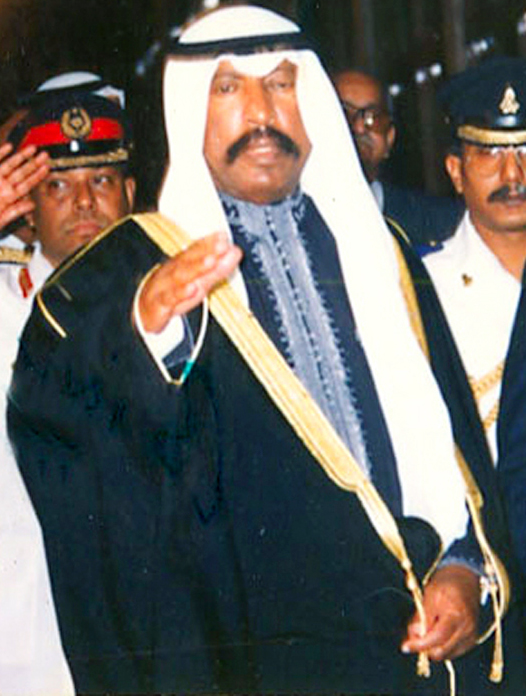


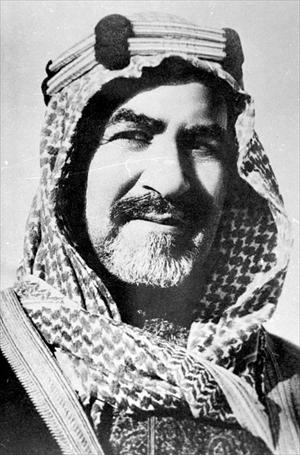


Role and powers
The Emir's powers are exercised within a constitutional framework established after independence. Responsibilities commonly associated with the office include leading the state's foreign policy, ratifying or promulgating legislation, and appointing key officials. The Emir is also the symbolic commander of the armed forces and plays a role in national security matters. While the constitution grants significant authority, the Emir operates alongside elected institutions and established procedures.
- Executive functions: appointing the prime minister and government and approving ministerial appointments.
- Legislative interaction: signing or returning laws and, in some circumstances, dissolving the national assembly.
- Diplomacy and defence: representing Kuwait internationally and overseeing defence policy.
Succession and the Al‑Sabah dynasty
Succession to the emirate is hereditary within the Al‑Sabah family but is shaped by internal family practice and political considerations. Traditionally the reigning Emir names a Crown Prince from among senior family members; the choice reflects seniority, experience, and consensus within the ruling house. This approach aims to preserve continuity while allowing adaptation to changing political needs.
Recent transition
In recent years Sheikh Sabah Al‑Ahmad Al‑Jaber Al‑Sabah served as Emir until his death on 29 September 2020; his tenure drew attention for Kuwait’s diplomatic initiatives and domestic governance. He was succeeded by Sheikh Nawaf Al‑Ahmad Al‑Jaber Al‑Sabah, who assumed the emirate following established succession procedures. See further reading about Sheikh Sabah here and about Sheikh Nawaf here.
Historical and contemporary significance
The emirate has evolved since Kuwait's modern statehood and independence in the 20th century. The office reflects both the region’s tribal and dynastic traditions and the institutions of a modern constitutional state. Kuwait's political system is notable among Gulf monarchies for its elected parliament and active public debate, which create a distinctive balance between the Emir’s authority and representative institutions. This combination shapes how the emirate functions day to day and how national decisions are made.
Questions and answers
Q: Who is the Emir of Kuwait?
A: The Emir of Kuwait is the monarch and head of state of Kuwait.
Q: What is the significance of the position of the Emir in Kuwait?
A: The position of the Emir in Kuwait is the most powerful position in the country.
Q: Which dynasty do the emirs of Kuwait belong to?
A: The emirs of Kuwait belong to the Al-Sabah dynasty.
Q: Who was the most recent Emir of Kuwait?
A: The most recent Emir of Kuwait was Sabah Al-Ahmad Al-Jaber Al-Sabah.
Q: When did the most recent Emir of Kuwait die?
A: The most recent Emir of Kuwait died on 29 September 2020.
Q: Who is expected to take over as the new Emir of Kuwait?
A: Crown Prince Nawaf Al-Ahmad Al-Jaber Al-Sabah is expected to take over as the new Emir of Kuwait.
Q: What is the name of the dynasty to which the Emirs of Kuwait belong?
A: The Emirs of Kuwait belong to the Al-Sabah dynasty.
Author
AlegsaOnline.com Emir of Kuwait Leandro Alegsa
URL: https://en.alegsaonline.com/art/138037