
Roger Waters: bassist, songwriter and creative force behind Pink Floyd
Overview of Roger Waters — his role in Pink Floyd, major works (The Dark Side of the Moon, The Wall), solo career, themes, performances, controversies and legacy.
Overview
George Roger Waters (born 6 September 1943) is an English rock musician and songwriter best known as a founding member of the progressive/psychedelic band Pink Floyd. Born in Great Bookham, Surrey, and raised partly in Cambridge, Waters became the group's dominant lyrical voice and conceptual leader after the departure of original frontman Syd Barrett in 1968. During his tenure with the band (1964–1986) he was principally the bassist, a co-lead vocalist and the primary lyricist, shaping many of Pink Floyd's best known albums and stage productions.
Image gallery
10 Images




Musical role and creative characteristics
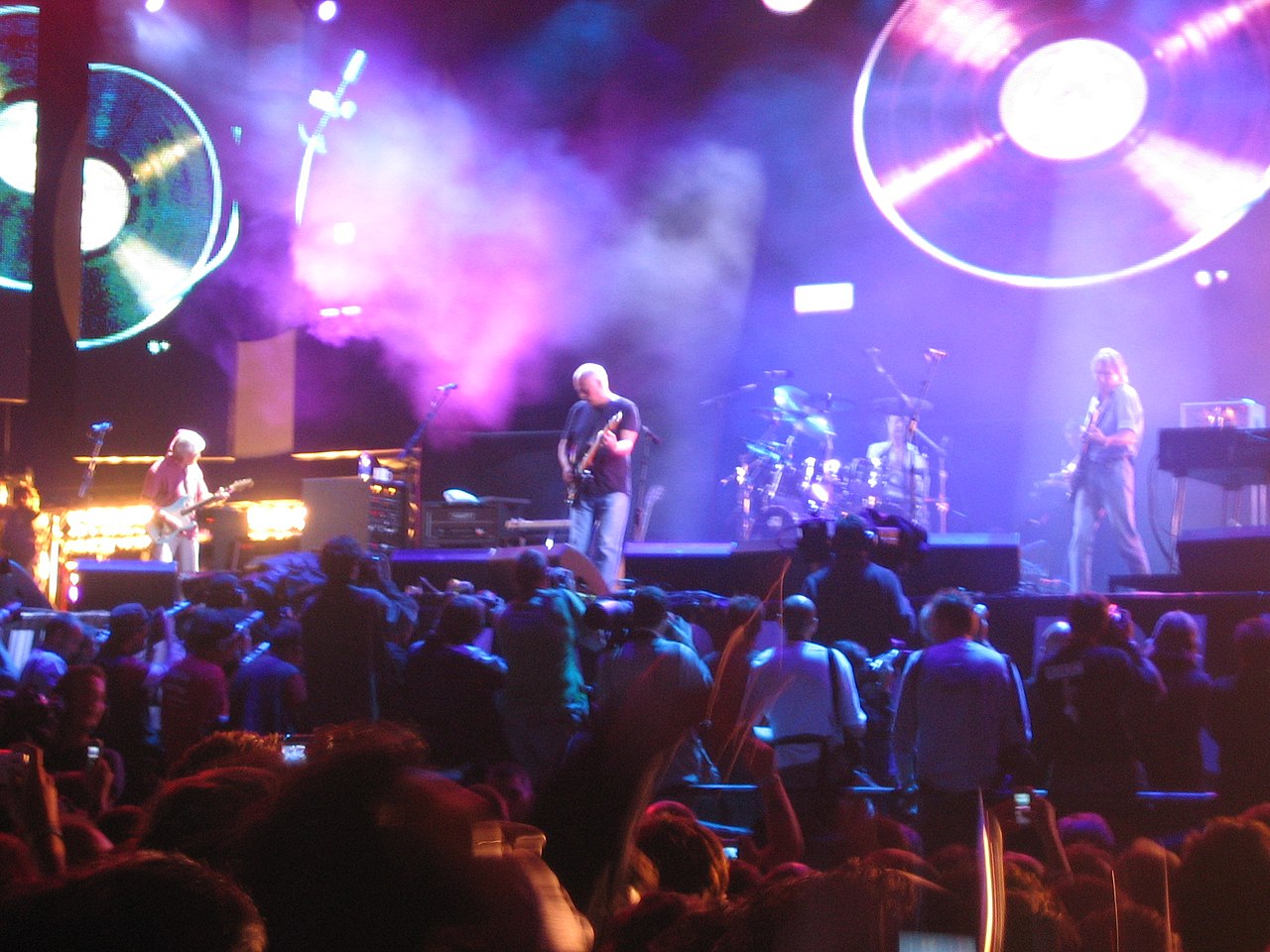
Waters is widely regarded for his role as a conceptual songwriter, often building albums around a single theme or narrative. His bass playing is functional and melodic, serving songs rather than showcasing virtuosity. More distinctive is his use of extended conceptual forms: albums such as The Dark Side of the Moon and The Wall combine music, sound effects and lyrical motifs to explore psychological, social and political subjects. Waters favored theatrical live presentations that paired visual spectacle with narrative, turning concerts into immersive performances.
Major works with Pink Floyd
Between 1973 and 1979, Pink Floyd released a string of albums that remain central to their reputation. The Dark Side of the Moon (1973) became a global commercial and critical landmark, noted for its sonic clarity and thematic unity. Later albums led by Waters, including Wish You Were Here (1975), Animals (1977) and The Wall (1979), continued the group’s move toward extended concept works. The Wall in particular — a double album and stage show built around alienation and trauma — established Waters as a storyteller and theatrical director as much as a songwriter.
Solo career, collaborations and notable performances
After a legal and artistic split from Pink Floyd in the mid-1980s, Waters pursued a solo career that retained many of his thematic concerns. Early solo albums include The Pros and Cons of Hitchhiking (1984) and Radio K.A.O.S. (1987), followed by Amused to Death (1992), often cited by critics for its ambition and sharp social commentary. Waters also staged large-scale events, most famously the 1990 performance of The Wall in Berlin on the site between Potsdamer Platz and the Brandenburg Gate, a concert that drew international attention for its scale and symbolism. He participated with former Pink Floyd members at the 2005 Live 8 concert in London and has toured extensively presenting complete albums in concert.
Themes, controversies and public positions
Waters' lyrics frequently examine memory, loss, war, authoritarianism and personal isolation, with many songs drawing on his own life experiences. His outspoken political views and activism — particularly on subjects such as war, human rights and the state of Israel and Palestine — have led to both support and heated criticism. These controversies have become part of discussions about his work, affecting public receptions of his tours and recordings. Supporters point to his willingness to confront political issues; critics sometimes argue his methods or rhetoric are provocative.
Legacy, influence and distinctions
Roger Waters' influence on rock music lies less in technical changes than in demonstrating how popular albums can operate as sustained artistic statements. Albums he steered with Pink Floyd have sold in the tens of millions worldwide and remain fixtures of classic-rock radio and scholarship. Waters is often credited with expanding expectations for what a rock album or concert could accomplish in terms of narrative scope and theatrical presentation. Throughout his career he has also worked outside conventional rock forms — composing an opera and engaging with classical ensembles — showing a continuing interest in crossing musical boundaries.
Selected discography and further reading
- With Pink Floyd: The Dark Side of the Moon, Wish You Were Here, Animals, The Wall
- Solo studio albums: The Pros and Cons of Hitchhiking; Radio K.A.O.S.; Amused to Death
- Notable live projects: The Wall — Berlin (1990); extensive solo tours presenting classic albums in full
For readers seeking more detail on individual albums, concert productions, or the controversies that have shaped Waters' public life, consult comprehensive biographies and music histories that cover late-20th-century rock and the specific cultural contexts influencing his work. This article provides a concise synthesis of his major roles and achievements while acknowledging the complex and sometimes contested nature of his artistic and political legacy.
Questions and answers
Q: What is Roger Waters best known for?
A: Roger Waters is best known as the bass player, co-lead singer, principle lyricist, and founder member of the English rock band Pink Floyd (1964–1986).
Q: When did Syd Barrett leave Pink Floyd?
A: Syd Barrett left Pink Floyd in January 1968.
Q: What years are considered to be the Golden Age of the Waters era Pink Floyd?
A: The Golden Age of the Waters era Pink Floyd is generally considered to be between 1973 and 1979.
Q: What albums were released during this time period?
A: During this time period, Pink Floyd released four studio albums including The Dark Side of the Moon (1973), Wish You Were Here (1975), Animals (1977) and The Wall (1979).
Q: How successful were these albums?
A: These albums were extremely successful both commercially and critically. The Dark Side of the Moon is one of the top selling albums of all time and The Wall is considered by many to be rock's finest album.
Q: What was special about 1983's The Final Cut album?
A: 1983's The Final Cut was unique in that it was credited solely to Roger Waters for writing and composition; David Gilmour sang on just one track while Nick Mason acted as a studio musician. It can therefore be seen as his first solo album.
Q: How successful have Pink Floyd been overall?
A: Overall, Pink Floyd have sold over 200 million albums worldwide, including 74.5 million in the United States, making them one of rock music's most critically acclaimed and commercially successful acts.
Author
AlegsaOnline.com Roger Waters: bassist, songwriter and creative force behind Pink Floyd Leandro Alegsa
URL: https://en.alegsaonline.com/art/129961