
Robert Reed (1932–1992) — American actor best known as Mike Brady
Robert Reed (John Robert Rietz, 1932–1992) was an American actor noted for Mike Brady on The Brady Bunch, respected for dramatic television work, a three‑time Emmy nominee, and a private figure regarding his personal life.
Robert Reed (born John Robert Rietz; October 19, 1932 – May 12, 1992) was an American actor whose career spanned stage, dramatic television and the family sitcom that made him widely recognizable. He is best known for portraying the father Mike Brady on The Brady Bunch, but his résumé also includes substantial work in serious dramatic series and miniseries. Reed is often described as a classically trained performer who brought a theatrical discipline to television; some profiles also label him a versatile television and film actor able to move between comedy and drama. During the 1970s he received three Primetime Emmy nominations, reflecting industry recognition of his dramatic work.
Image gallery
5 Images
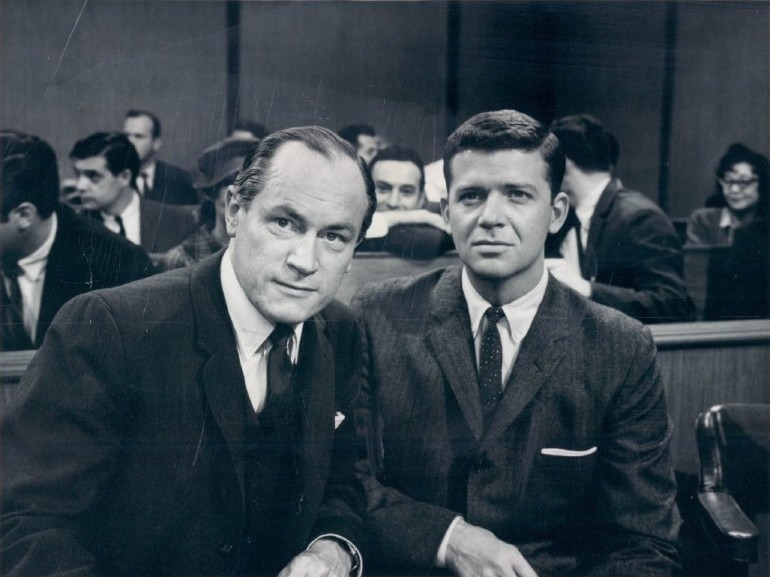


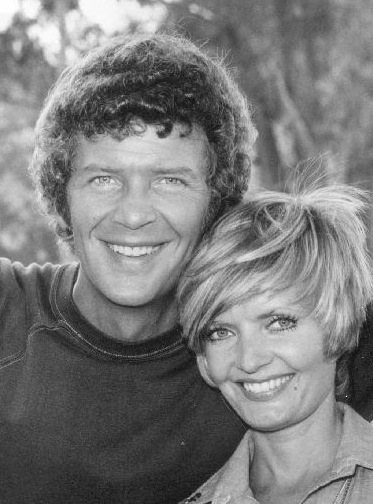
Early life and education
Born in Highland Park, Illinois, Reed spent parts of his childhood in several Midwestern and Southern communities, including Highland Park, Muskogee, Oklahoma, and Navasota, Texas. He adopted the professional name Robert Reed as he pursued formal training and stage opportunities. Like many actors of his generation, he began his career in regional theatre and repertory companies before moving to television roles that brought wider exposure.
Stage and television career
Reed’s early professional life included classical stage roles and steady guest work on television dramas. He won critical attention for performances in courtroom and legal drama series and later took prominent roles in high‑profile television miniseries. Notable dramatic credits include appearances on series such as The Defenders and the miniseries Rich Man, Poor Man. Alongside these dramatic parts, he carried the lead role of a sitcom patriarch on The Brady Bunch, a program that became a cultural touchstone through network run and later syndication.
- Range: Reed balanced theater training with steady television work, moving between serious drama and sitcom performance.
- Recognition: He was nominated three times for the Primetime Emmy Awards in the 1970s for his work in television drama.
- Continuity: Even after the end of The Brady Bunch, he continued to appear in guest roles, stage productions and television movies.
Acting style and reception
Critics and colleagues noted Reed’s formal training and disciplined approach to character work. He often brought a theatrical clarity of line and diction to television parts, which earned respect from peers in dramatic circles. At the same time, his identification with the domestic ideal represented by Mike Brady inspired both affectionate recognition from viewers and, at times, creative tension between the actor’s broader artistic ambitions and the demands of a popular sitcom format.
Personal life
Reed maintained a guarded private life during his career. After his death it became publicly acknowledged that he was gay; contemporaries and later writers have discussed how Reed navigated an entertainment industry that generally discouraged open discussion of same‑sex relationships in his era. He chose to keep many personal matters private, and that discretion shaped public perceptions of him for much of his life.
Health, death and legacy
Robert Reed died on May 12, 1992, in Pasadena, California, at age 59. His death was initially reported as related to colon cancer; subsequent accounts indicated that HIV‑related complications contributed to the decline of his health in his final years, and later discussions of his cause of death reference both conditions and their interaction (HIV). Reed’s legacy is mixed and enduring: he remains an iconic figure for viewers who remember him as the fatherly figure on The Brady Bunch, while his peers and critics often highlight the seriousness and range of his dramatic work. Scholars and fans continue to reassess Reed’s career, noting the tensions he navigated between public persona and private identity, and the variety of roles he performed across stage and screen.
Selected themes and influence
- Television history: Reed’s career illustrates mid‑20th‑century television actors’ movement between theatre, dramatic series and family sitcoms.
- Public image: His experience underscores how performers managed personal privacy and career expectations in an era less open about matters of sexual orientation.
- Enduring presence: Through syndication, retrospectives and scholarly interest, Reed’s performances remain part of conversations about American television acting and cultural memory.
For further information on Reed’s roles, critical reception and biographical details, consult established reference works on American television history and biographies that document his life and career in context.
Author
AlegsaOnline.com Robert Reed (1932–1992) — American actor best known as Mike Brady Leandro Alegsa
URL: https://en.alegsaonline.com/art/129812