
Highland Park, Illinois
Lakefront North Shore suburb north of Chicago known for residential neighborhoods, Ravinia Festival, parks, commuter rail access, and the 2022 Fourth of July parade shooting.
Overview
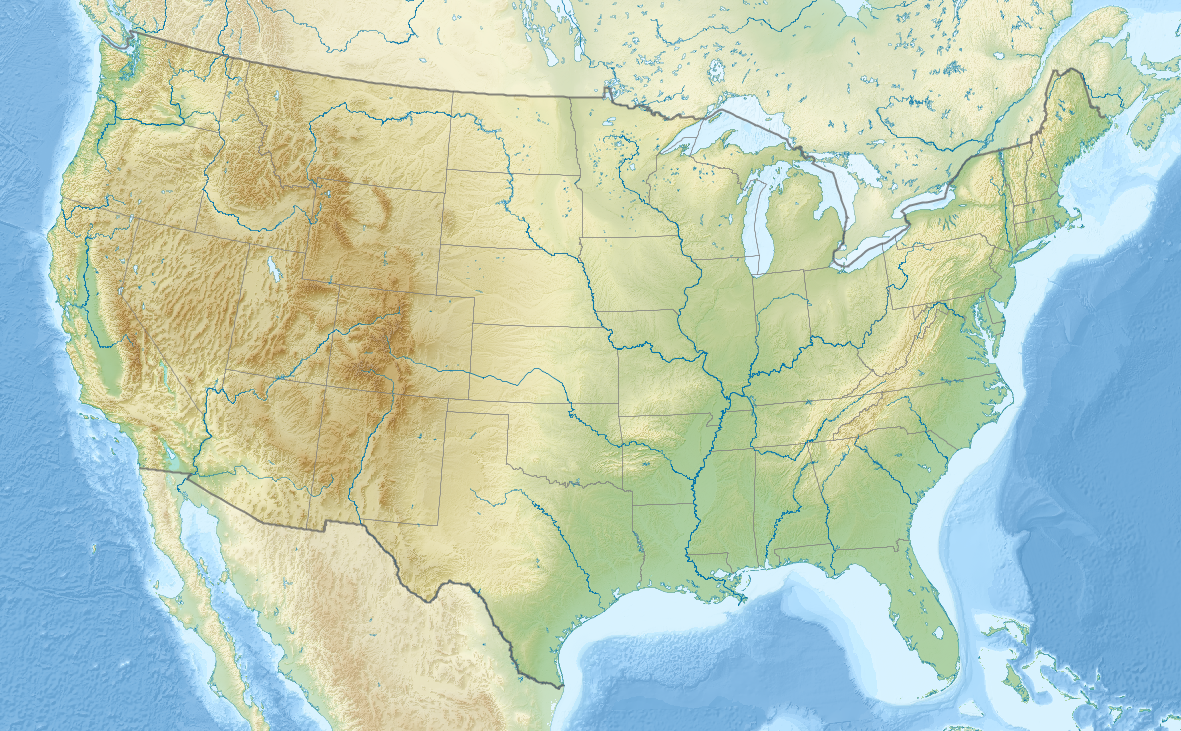
Highland Park is a suburban city on the North Shore of Illinois along Lake Michigan in the United States. Located north of Chicago, it had a population of 29,763 at the 2010 census. The community is primarily residential, with an emphasis on lakefront parks, mature tree-lined streets and a compact downtown.
Image gallery
7 Images



Characteristics and landmarks
Highland Park is known for a mix of architectural styles, landscaped public spaces and cultural institutions. Notable features include a long lakefront, neighborhood parks, and a downtown shopping and dining district. The city is served by commuter rail and regional roads that connect it to the wider metropolitan area.
- Ravinia Festival, a summer music venue with a long association with classical and popular concerts.
- Metra commuter rail service providing access to Chicago.
- Lake Michigan shoreline parks and recreational paths.
History and development
Originally developed in the late 19th century as part of Chicago’s expanding suburbs, Highland Park grew as a commuter community with planned residential subdivisions and public amenities. Over time it retained a focus on open space and cultural life that distinguishes it among the North Shore suburbs.
Community, services and economy
The local economy is driven mainly by retail, professional services, education and cultural tourism linked to events and venues. Public and private schools serve families across several neighborhoods, and municipal services support parks, libraries and community programs.
2022 parade shooting and aftermath
On July 4, 2022 a mass shooting occurred at a Fourth of July parade in Highland Park, killing seven people and injuring others. The incident drew national attention and prompted local grief, memorials and renewed conversations about public safety and emergency response in communities across the country.
Notable distinctions
Highland Park is commonly identified as part of Chicago’s North Shore: a lakeside suburban corridor noted for cultural institutions like the Ravinia Festival, access to regional transit, and a mix of historic and modern residential areas. It combines suburban living with proximity to Chicago’s employment and cultural opportunities.
Related articles
Author
AlegsaOnline.com Highland Park, Illinois Leandro Alegsa
URL: https://en.alegsaonline.com/art/44150
Sources
- factfinder2.census.gov : "Geographic Identifiers: 2010 Demographic Profile Data (G001): Highland Park city, Illinois"