
Richard Pryor: Life, Work, and Influence
Overview of Richard Pryor’s career, style, major works, awards, influence on comedy, and later life, including recognitions and a planned biopic.
Richard Pryor (December 1, 1940 – December 10, 2005) was an American comedian, actor and writer whose performances reshaped modern stand-up and satire. He worked across live performance, recorded albums, film and television, and became known for a candid, improvisational style that mixed personal confession, social commentary and character work. Pryor's public career earned major industry honors and lasting recognition from peers and critics.
Image gallery
8 Images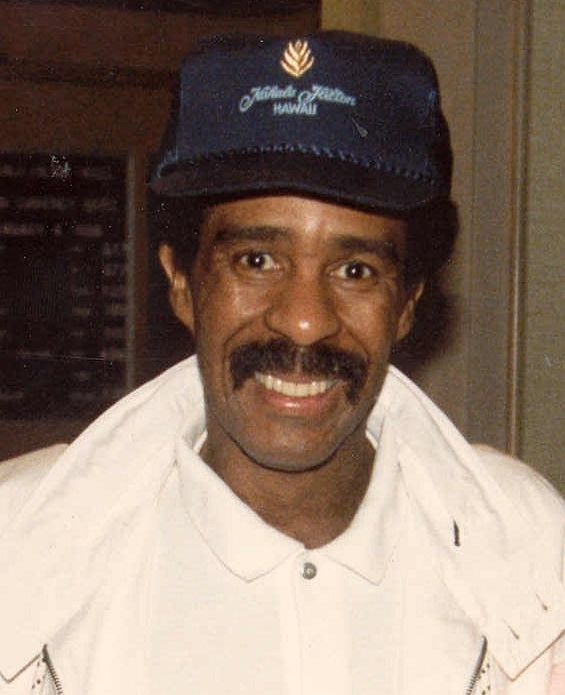


Style and themes
Pryor combined autobiographical storytelling with sharp observations about race, class, relationships and American life. His delivery moved between conversational monologue, rapid-fire anecdote and vivid impersonation of characters. In his routines he often explored uncomfortable subjects — racial injustice, addiction and the complexities of fame — using explicit language and raw honesty to challenge audiences and to humanize people often excluded from mainstream comedy at the time. Critics and fellow comedians have cited his influence on later generations for expanding what stand-up could address and how it could be performed.
Career highlights and notable works
He appeared on television and in films, and released numerous acclaimed comedy albums and specials. Pryor had a short-lived experimental series on broadcast TV, toured extensively, and produced landmark recordings and filmed performances. Notable credits and honors include:
- Television appearances and his own variety series.
- Iconic stand-up recordings and specials that defined contemporary stand-up comedy.
- A 1973 Emmy Award among television honors.
- Multiple Grammy Awards for his recorded comedy albums, and a posthumous Grammy Lifetime Achievement recognition.
- Writing and screenplay work that earned nominations such as a BAFTA nod for his involvement in projects like Blazing Saddles.
- He received the inaugural Mark Twain Prize for American Humor, cementing his status as a transformative figure in American comedy.
- Ranked by Comedy Central among the greatest stand-up comics of all time.
Impact and legacy
Pryor is widely cited as a pioneer who opened the door to frank, personal comedy that addressed social realities. His influence shows in the work of many subsequent performers who blend storytelling, character acting and social critique. Beyond style, Pryor helped broaden the range of voices and topics accepted within mainstream comedy, and his recordings remain studied for their timing, structure and emotional range.
Later life and recognition
Pryor faced well-known personal and health struggles in later years, including long-term effects of illness and substance problems, yet continued to be honored for his work. He died of a heart attack in Encino, Los Angeles (Encino, California) in December 2005. Posthumous awards and retrospective tributes have kept his work in the public eye; among these was a posthumous Grammy Lifetime Achievement Award. Plans for a biographical film about his life were reported with producers and a leading actor attached — a project associated with Lee Daniels and Oprah Winfrey, with Mike Epps named in reports as an actor considered for the lead role — reflecting ongoing public interest in his story and career (biographical movie).
Further notes and distinctions
Richard Pryor's career bridged nightclub stages, recorded albums, television, and film writing. He received awards and recognition not only from entertainment institutions but also from fellow artists who viewed him as a model of courage and creativity. For readers seeking more, there are many recorded performances and collections that illustrate his technique and range; his work continues to be discussed in studies of comedy, performance and American culture.
Selected links and references: comedian, actor, writer, awards and writing, television, stand-up, Emmy, Grammy, BAFTA, Blazing Saddles, Mark Twain Prize, Comedy Central, Encino, California, biographical movie, Lee Daniels, Oprah Winfrey, Mike Epps.
Author
AlegsaOnline.com Richard Pryor: Life, Work, and Influence Leandro Alegsa
URL: https://en.alegsaonline.com/art/129539