
Richard Harris (1930–2002): Irish actor, singer-songwriter and film figure
Biography of Richard Harris: Irish stage and screen actor, singer-songwriter and producer; notable roles include Camelot and the first two Harry Potter films, plus career, personal life and legacy.
Richard St John Harris (1 October 1930 – 25 October 2002) was an Irish actor, singer-songwriter, writer and producer whose career spanned more than five decades. He moved easily between classical theatre and contemporary film, and became widely known for a powerful screen presence, a distinctive, resonant voice and an unexpected success in popular music. Harris is remembered for leading performances in stage and cinema, for a late-career role that introduced him to a new generation of fans, and for a personal life that kept him prominent in public attention.
Image gallery
7 Images


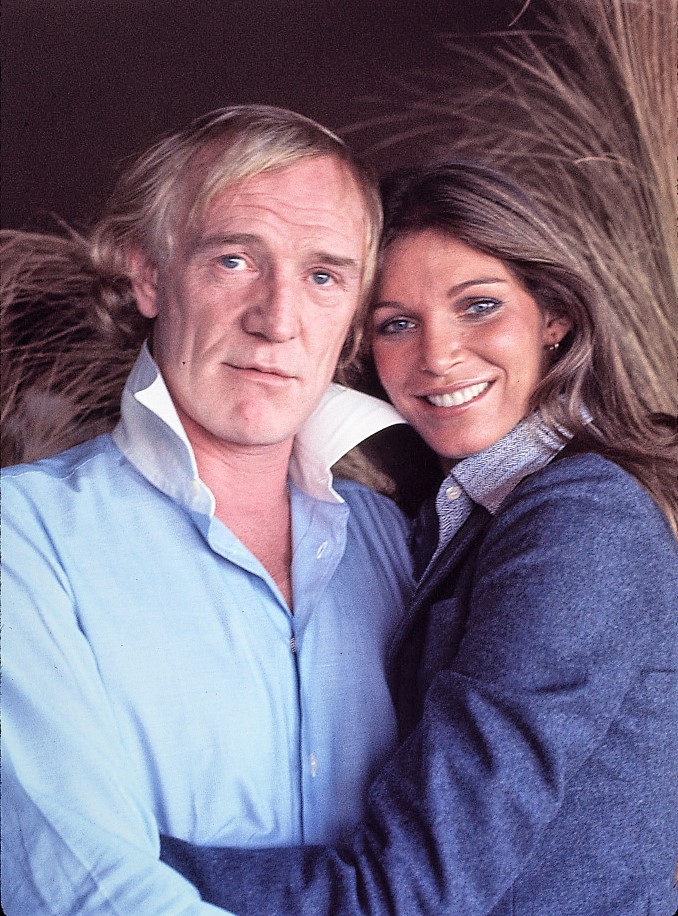
Early life and training
Harris was born in Limerick in the then Irish Free State into a Catholic family on 1 October 1930. He attended Crescent College and later trained at the Royal Academy of Dramatic Art (RADA) in London, where he developed the stagecraft and voice technique that would serve both his theatre and film work. His Irish background and education in Britain informed a career that combined classical roles with gritty, modern portrayals.
Stage career and early film work
Harris established himself in theatre before making an impression on screen. His stage work included classical plays and modern dramas, and he became known for intense, sometimes explosive performances. In the 1960s he gained international attention for a dramatic film role about postwar working-class life that brought critical acclaim and an Academy Award nomination. Directors sought him for parts that required both emotional range and a commanding presence.
Major screen roles and music
Harris achieved mainstream visibility in a variety of film genres. He played King Arthur in the musical film Camelot, credited for his portrayal of King Arthur, and later reached a wide new audience as the headmaster Albus Dumbledore in the first two Harry Potter films, a role credited on screen as Albus Dumbledore. Outside acting, Harris recorded several albums and had a notable pop hit in the late 1960s with a dramatic, orchestral song that became associated with his voice and persona.
Personal life
Harris was a lifelong friend of fellow Irish actor Peter O'Toole, and his off-screen life often attracted attention as much as his professional work. He married Elizabeth Rees-Williams in 1957; that marriage ended in divorce in 1969. He later married Ann Turkel in 1974 and they divorced in 1982. Harris was the father of three sons, including the actor Jared Harris, and he lived for many years in London, England.
Later years, death and succession
In the early 2000s Harris attracted renewed international recognition for his portrayal of Dumbledore in the first two films of the Harry Potter series, reaching a younger audience while continuing to be valued for his earlier dramatic achievements. He died in London on 25 October 2002 at the age of 72 from Hodgkin's lymphoma. After his death the role of Dumbledore in the film series was taken over by Michael Gambon, who played the part in subsequent entries.
Reputation and legacy
Harris is widely remembered for a wide-ranging career that crossed stage, art-house cinema, mainstream film musicals and popular culture. He was a two-time Academy Award nominee for leading performances and maintained a public image shaped by both artistic seriousness and a colourful personal life. His voice, theatrical training and willingness to move between different styles of performance left a lasting impression on colleagues and audiences.
Selected highlights
- Renowned stage actor who trained at RADA and worked extensively in British and international theatre.
- Major screen roles that include the musical Camelot and the first two Harry Potter films as Albus Dumbledore.
- Popular recording artist with a late 1960s hit that broadened his audience beyond film and theatre.
- Two-time Academy Award nominee acknowledged for powerful leading performances in dramatic cinema.
Richard Harris remains an influential figure in 20th-century acting, remembered for his intensity, voice, and the diversity of roles he inhabited, from mythic and classical figures to modern, troubled protagonists. For further biographical detail and a filmography, consult dedicated film and theatre reference works or archival material on his life and career.
Author
AlegsaOnline.com Richard Harris (1930–2002): Irish actor, singer-songwriter and film figure Leandro Alegsa
URL: https://en.alegsaonline.com/art/129504