
Richard Grenell: American diplomat, communications strategist, and media commentator
Profile of Richard Grenell, his career as U.S. Ambassador to Germany and acting Director of National Intelligence, public style, controversies, health disclosure and role as an openly gay conservative in government.
Overview
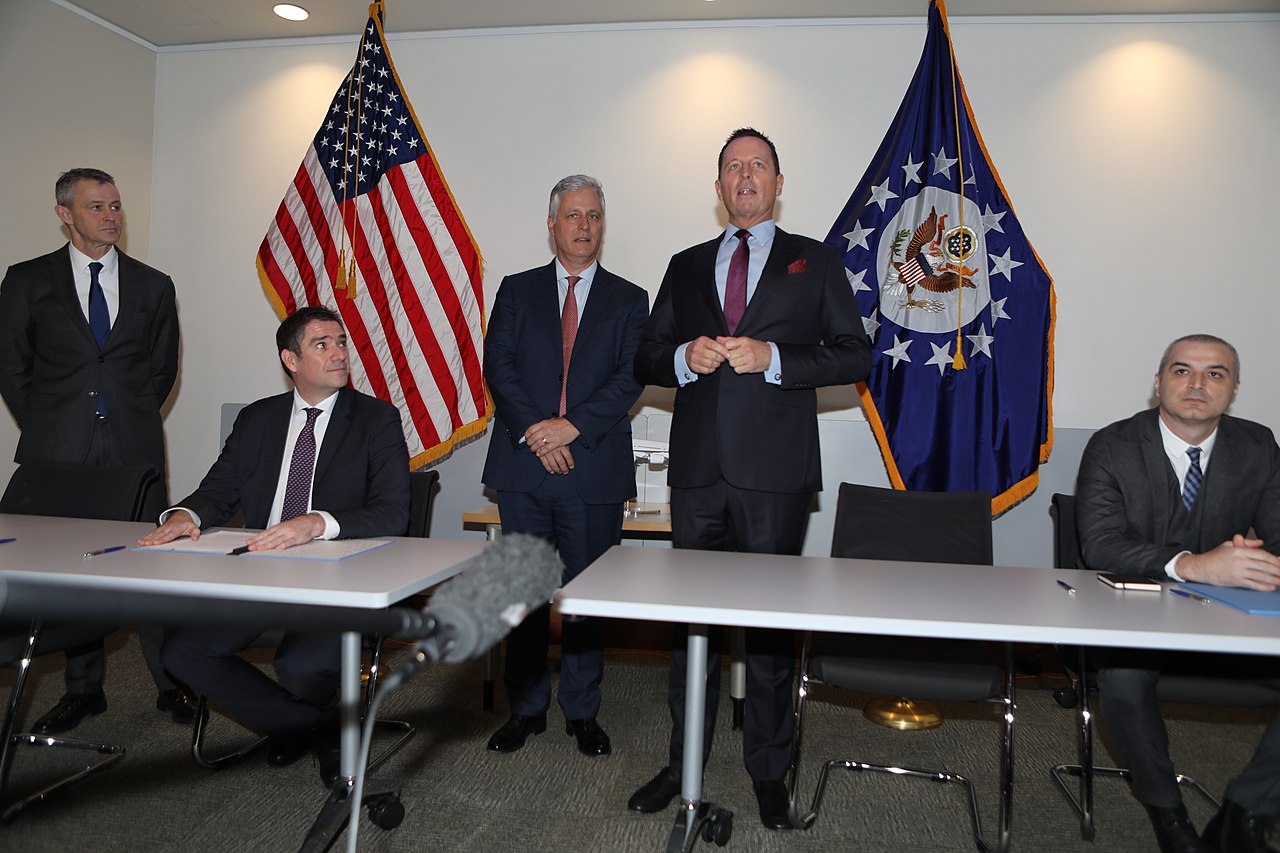
Richard Allen Grenell (born September 18, 1966) is an American diplomat, communications strategist and media commentator who served in senior roles in Republican administrations and campaigns. He is best known for his term as United States Ambassador to Germany (2018–2020) and for serving briefly as acting Director of National Intelligence in 2020. Grenell has been a high‑profile public figure due to his outspoken style, frequent use of social media, and his prominence as an openly gay conservative in senior government positions.
Image gallery
9 Images


Early career and communications work
Grenell established his career in political communications and foreign policy. Early positions included press and policy roles associated with the United States delegation to the United Nations, where he worked in public affairs and public diplomacy. His background combined media work with an emphasis on messaging and political strategy, and he later provided commentary for broadcast outlets and political consultations.
Campaign roles and Republican politics
In electoral politics, Grenell served as national security spokesman for Mitt Romney during the 2012 campaign for the President. His appointment drew attention because he was the first openly gay spokesman for a Republican presidential campaign, a fact that prompted debate within conservative circles and contributed to his resignation from that role amid pressure from social conservative opponents.
Ambassador to Germany (2018–2020)
President Donald Trump nominated Grenell to be U.S. Ambassador to Germany in September 2017. The Senate confirmed him on April 26, 2018, by a 56–42 vote, and he presented his credentials to the President of Germany on May 8, 2018. As ambassador he pursued an assertive, media‑forward approach, publicly advocating for increased NATO defense spending by European allies, criticizing certain energy projects and taking a visible role in bilateral policy debates. His tactics drew praise from supporters who saw him as forceful on American priorities and criticism from those who viewed his approach as a departure from traditional diplomatic norms.
Acting Director of National Intelligence (2020)
On February 19, 2020, the White House announced that Grenell would serve as acting Director of National Intelligence. During his brief tenure he emphasized transparency and public engagement on intelligence matters. His use of the office to release or advocate for certain information and for public statements attracted attention and controversy, with critics arguing some actions risked politicizing national security institutions while supporters praised efforts they described as increasing accountability.
Public style and controversies
Grenell's public style has been described as direct and combative. He frequently used social media to advance policy positions, highlight diplomatic disputes and respond to critics. Debates around his tenure often focused less on discrete policy details than on the broader questions his career raised about the role of media, partisanship and personal identity in modern diplomacy and national security practice.
Health, personal life and representation
In June 2013 Grenell publicly disclosed that he had been diagnosed with non‑Hodgkin's lymphoma and that he had begun chemotherapy. Later that year he announced he was in remission. He has been a visible figure in discussions about LGBT participation in conservative politics and is openly gay; media coverage has repeatedly noted his role as a prominent openly gay Republican official.
Later activities and public commentary
After leaving government posts, Grenell continued to appear in media and public forums as a commentator on foreign policy and political communication. He has been involved in advisory and consulting activities and has written and spoken on issues related to U.S. foreign policy, electoral politics and media strategy. Observers note that his career exemplifies the increasing overlap between diplomatic roles, partisan communications and direct engagement with mass and social media.
Assessment and legacy
Supporters of Grenell credit him with zealously advancing U.S. policy priorities, unapologetically confronting allies and adversaries, and broadening the visibility of LGBT individuals in conservative political life. Critics contend that his style blurred lines between partisan advocacy and the impartial execution of diplomatic or intelligence responsibilities. Regardless of perspective, his appointments and public profile provoked discussion about how identity, ideology and communication methods shape contemporary American diplomacy and intelligence practice.
Selected roles
- Press and policy roles at the U.S. mission to the United Nations
- National security spokesman for Mitt Romney during the 2012 campaign
- U.S. Ambassador to Germany (2018–2020); confirmed and presented credentials to the President of Germany
- Acting Director of National Intelligence in 2020
For contemporary reporting, official statements and further reading, consult reputable news archives and government press releases that document the nominations, confirmations and public statements associated with these roles. The placeholders above link to the broader contexts referenced throughout this article.
Author
AlegsaOnline.com Richard Grenell: American diplomat, communications strategist, and media commentator Leandro Alegsa
URL: https://en.alegsaonline.com/art/129499