
Richard Burr: U.S. Senator, Republican leader and intelligence committee chair
Profile of Richard Burr, a Republican politician from North Carolina: background, congressional career, committee roles, notable actions and controversies, and his decision not to seek re-election.
Overview
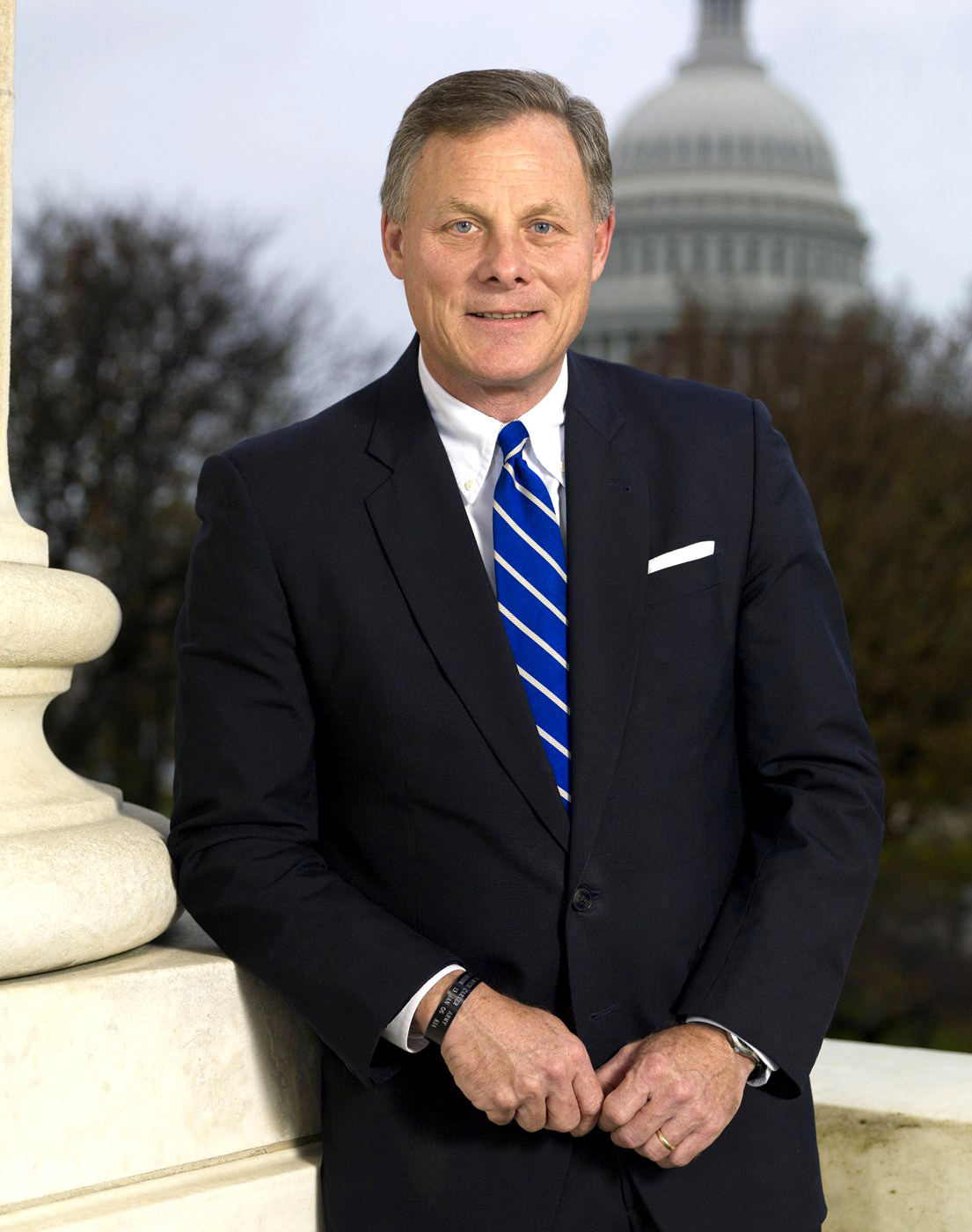
Richard Burr (born November 30, 1955) is an American politician who represented North Carolina in the U.S. Senate after earlier service in the U.S. House of Representatives. A member of the Republican Party, he was first elected to the Senate in 2004 and took office on January 3, 2005. Burr built a reputation as a senator focused on intelligence and national security matters and at times served in leadership positions on congressional committees.
Image gallery
7 Images


Early life and education
Burr was born in Charlottesville, Virginia and raised in the South. He attended Wake Forest University, where he completed his undergraduate studies and began a business career before entering politics; the university is often cited in biographical overviews of his background (Wake Forest University). He later moved into public service, combining private-sector experience with legislative work.
Congressional career
Burr served in the U.S. House of Representatives from 1995 to 2005. In 2004 he won election to the U.S. Senate and served multiple terms. During his Senate tenure he chaired and ranking‑led committees that handled sensitive national security and oversight responsibilities. In January 2015 he succeeded Dianne Feinstein as chair of the Senate Intelligence Committee, a post that placed him at the center of oversight of intelligence agencies and classified matters.
Roles, priorities and notable actions
Burr's legislative interests included intelligence oversight, public health and economic issues. As a senior senator he was involved in hearings, classified briefings and legislation related to counterterrorism, cybersecurity and the intelligence community. He drew public attention for his votes and statements on high-profile national events. In February 2021 he took a notable vote in the Senate impeachment trial related to Donald Trump, joining a group of senators who broke with party lines on that proceeding (see related reference).
Controversies and later developments
During the COVID-19 pandemic Burr faced scrutiny over stock transactions that followed congressional briefings; that activity prompted an inquiry that was later closed by prosecutors without charges. In mid-January 2021 he announced he would not seek re-election in 2022, a decision that shaped the final years of his Senate service and opened the race for his seat.
Legacy and distinctions
Richard Burr's tenure is often discussed in terms of intelligence oversight and the balance between classified briefings and public accountability. He combined long service in both chambers of Congress with roles that touched on national security, and his career illustrates how committee leadership can shape a senator's public profile. For further context and official materials, see linked resources and archived congressional records.
- Born: November 30, 1955 — Charlottesville, Virginia
- Education: Wake Forest University
- House: U.S. House of Representatives (1995–2005)
- Senate: North Carolina (from 2005); committee leadership included Senate Intelligence Committee
For related resources and coverage consult official senate pages and contemporary news reporting. Additional background about Burr's policy positions and committee work appears in congressional records and public statements recorded during his terms in office.
Author
AlegsaOnline.com Richard Burr: U.S. Senator, Republican leader and intelligence committee chair Leandro Alegsa
URL: https://en.alegsaonline.com/art/129470