
Randall Stout
Randall Stout (1958–2014) was an American architect noted for dynamic, sculptural museum designs and site-responsive public buildings, based in Los Angeles.
Overview
Randall Stout (May 6, 1958 – July 11, 2014) was an American architect whose work is best known for contemporary museum projects and public buildings that emphasize form, light and context. Born in Knoxville, Tennessee, Stout established his practice in Los Angeles and designed several landmark cultural buildings across the United States. He died of renal cell carcinoma in Los Angeles at age 56.
Image gallery
3 Images

Design characteristics
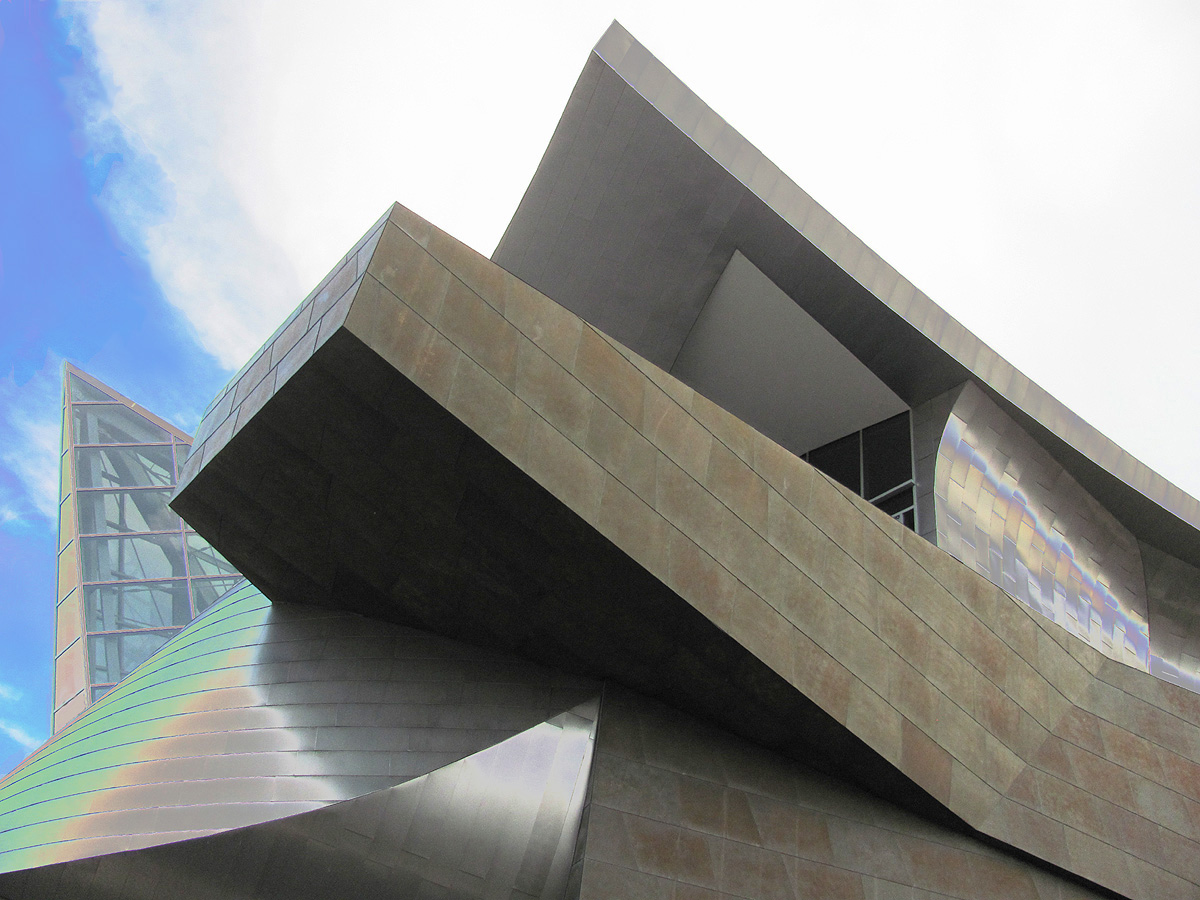
Stout's architecture is often described as sculptural and expressive. His projects commonly feature sweeping rooflines, dynamic geometries, and careful attention to natural light and visitor circulation. He sought buildings that would engage visitors and respond to their sites, using materials and forms that read as both contemporary and site-specific. Many of his schemes also incorporated environmental and daylighting strategies intended to improve the visitor experience.
Notable works
Stout's most widely recognized commissions were cultural institutions where bold form and public engagement were central goals. These include:
- Hunter Museum of American Art (Chattanooga, Tennessee) — an expansion and reinterpretation that linked the museum to its riverfront setting and city context.
- Taubman Museum of Art (Roanoke, Virginia) — a contemporary museum building with dramatic, faceted volumes intended to create a civic presence on its downtown site.
- Abroms-Engel Institute for the Visual Arts (Birmingham, Alabama) — a campus museum and gallery space designed to support exhibitions and public programming.
Career and legacy
Throughout his career Stout aimed to produce architecture that was both visually engaging and responsive to program and place. His museum projects in particular helped redefine how smaller regional institutions could use bold contemporary design to raise their profile and better serve communities. Though he died relatively young, his buildings continue to be visited, studied, and maintained as active cultural centers.
Further reading
For more on Randall Stout and individual projects, see the following resources: architect profile, biography, Hunter Museum project, Taubman Museum project, Abroms-Engel Institute project, obituary and remembrances, project gallery, and further resources.
Author
AlegsaOnline.com Randall Stout Leandro Alegsa
URL: https://en.alegsaonline.com/art/129241