
Chattanooga, Tennessee
Chattanooga is a city in southeastern Tennessee on the Tennessee River. Known for its riverfront, mountain setting, Civil War history, outdoor recreation and revitalized downtown, it is a regional cultural and transportation hub.
Overview
Chattanooga is a city in the southeastern corner of the U.S. state of Tennessee. It is commonly described as the fourth-largest city in the state, smaller than Nashville, Memphis and Knoxville. The community grew where the Tennessee River cuts through the Appalachian foothills, and its location made it an important river port, railroad junction and regional center for commerce and culture.
Image gallery
10 Images



Geography and environment
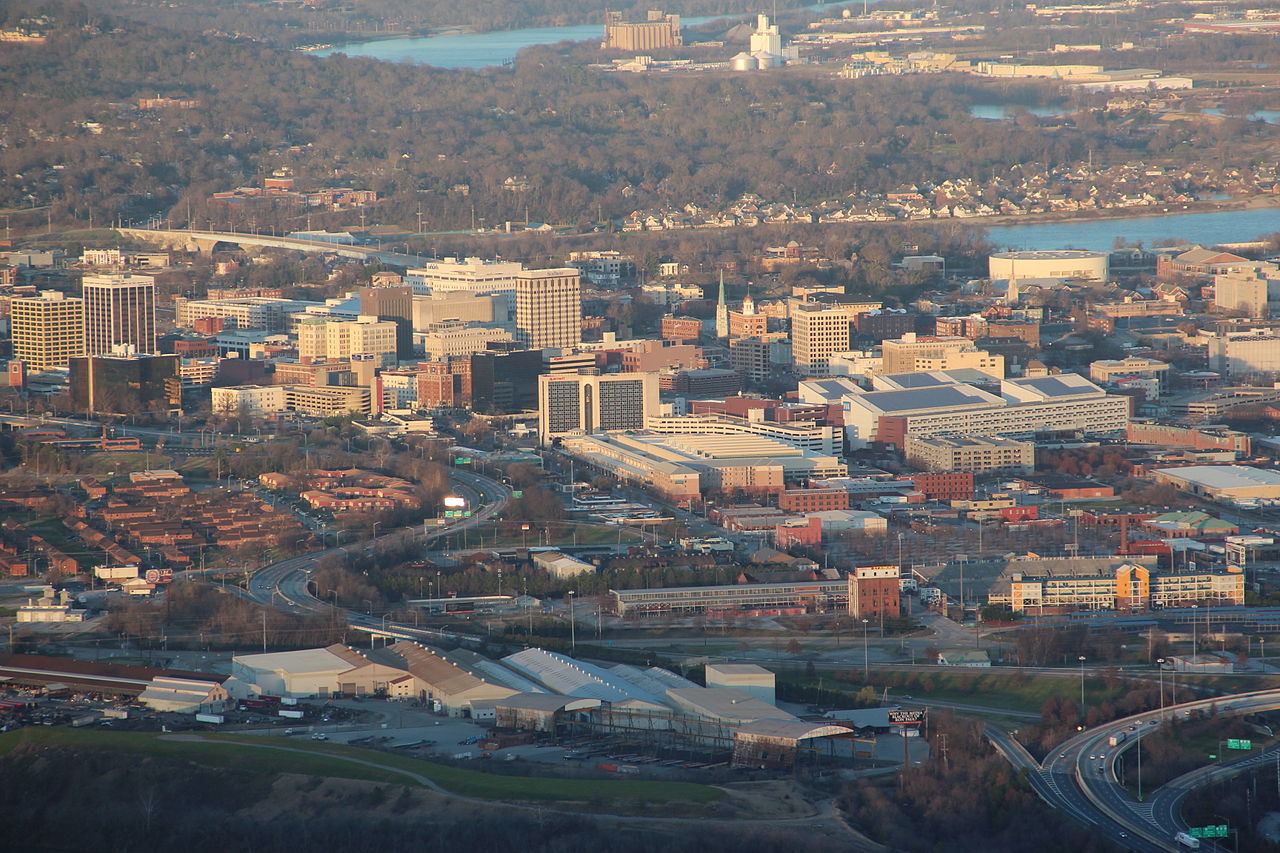
The city sits along a bend of the Tennessee River and is flanked by steep ridges and plateaus, including Lookout Mountain and Signal Mountain. The surrounding landscape is a mix of river valley, ridgelines and green spaces that support recreational activities such as hiking, rock climbing, paddling and birdwatching. Urban greenways and riverfront parks link downtown to natural areas, providing both habitat and public access.
History
Human presence in the Chattanooga area dates back to prehistoric times; archaeological sites show occupation by indigenous peoples from ancient eras through the Mississippian period. In the 19th century the town developed as a transportation hub for river traffic and, later, railroads. Its strategic location made it a focal point in the American Civil War, producing several important engagements and campaigns that shaped control of the region, as described in accounts of the Civil War.
Economy, culture and development
Chattanooga's economy historically combined manufacturing, transportation and river commerce. In recent decades the city has diversified into services, technology, tourism and creative industries. A downtown revitalization program transformed former industrial waterfront into museums, eateries and pedestrian spaces. Cultural institutions, performance venues and community festivals contribute to a lively urban scene while nearby colleges and research centers support workforce and innovation.
Attractions and recreation
The area is known for a mix of built and natural attractions that draw regional visitors. Notable sites include:
- Natural caves and falls inside Lookout Mountain, including caves with guided access
- Scenic vantage points and rock gardens that attract hikers and climbers
- A riverfront aquarium and museums that interpret local natural and cultural history
- Historic rail sites and restored stations that recall the city's transportation past
Transport and notable facts
Chattanooga remains a transportation crossroads with highways, rail lines and a regional airport connecting the city to larger markets. In recent years it has been noted for initiatives in urban revitalization and technology infrastructure that aim to support small business, arts, and outdoor tourism. The combination of scenic mountains, river access and cultural venues makes it an influential regional center in the southeastern United States.
More about Chattanooga's rank • Tennessee overview • Nashville • Memphis • Knoxville • Civil War contexts
Questions and answers
Q: Where is Chattanooga located in Tennessee?
A: Chattanooga is located in the southeast of Tennessee.
Q: What is the ranking of Chattanooga in terms of city size in Tennessee?
A: Chattanooga is the fourth-largest city in Tennessee.
Q: Which cities in Tennessee are larger than Chattanooga?
A: The cities larger than Chattanooga are Nashville, Memphis, and Knoxville.
Q: Who were the first people to live in the Chattanooga area?
A: The first people to live in the Chattanooga area were Native American Indians with sites dating back to the Upper Paleolithic period.
Q: What caused Chattanooga to become a target during the American Civil War?
A: Chattanooga became a target in the American Civil War due to it being a transport hub.
Q: Which is the capital and largest city of Tennessee?
A: Nashville is the capital and largest city of Tennessee.
Q: What is the significance of transportation in Chattanooga's history?
A: Chattanooga's history is significantly linked to transportation, as it became an important transport hub and later a target during the American Civil War due to its strategic transportation location.
Related articles
Author
AlegsaOnline.com Chattanooga, Tennessee Leandro Alegsa
URL: https://en.alegsaonline.com/art/19016
Sources
- factfinder.census.gov : "American FactFinder"
- geonames.usgs.gov : "US Board on Geographic Names"