
Pierre-Auguste Renoir: French Impressionist Painter (1841–1919)
Concise overview of Pierre-Auguste Renoir, his contribution to Impressionism, characteristic techniques, principal subjects and works, career development and enduring influence.
Overview
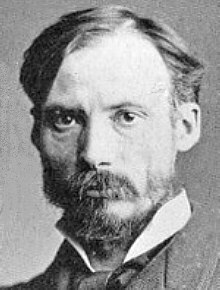
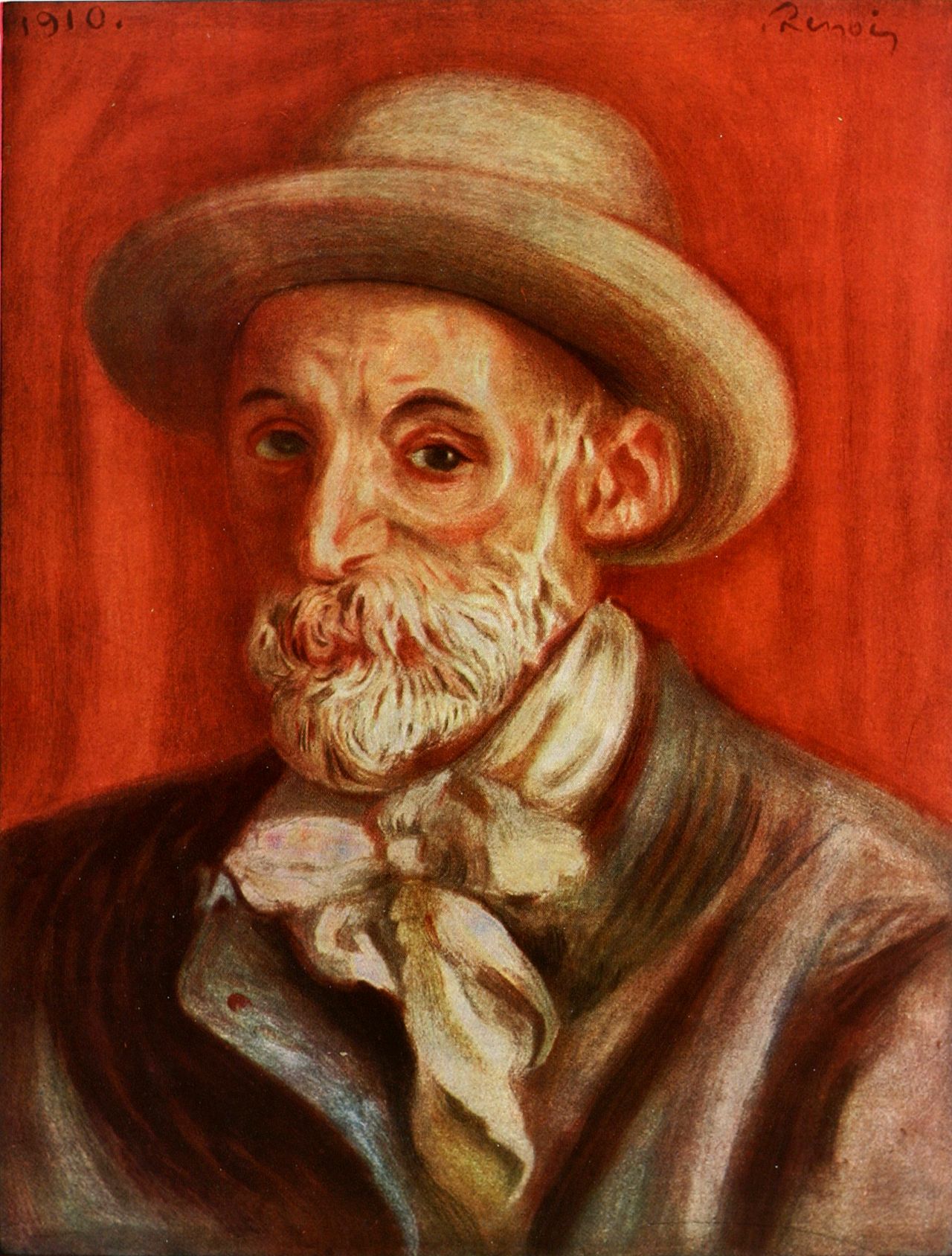
Pierre-Auguste Renoir (25 February 1841 – 3 December 1919) was a leading French artist and painter whose work helped shape the Impressionist movement. Best known for luminous scenes of modern life, he combined a celebration of color and light with a warm regard for human intimacy. Renoir produced portraits, still life, landscapes and many social scenes —all marked by a distinct sensibility toward flesh, fabric and atmosphere.
Image gallery
10 Images




Style and techniques
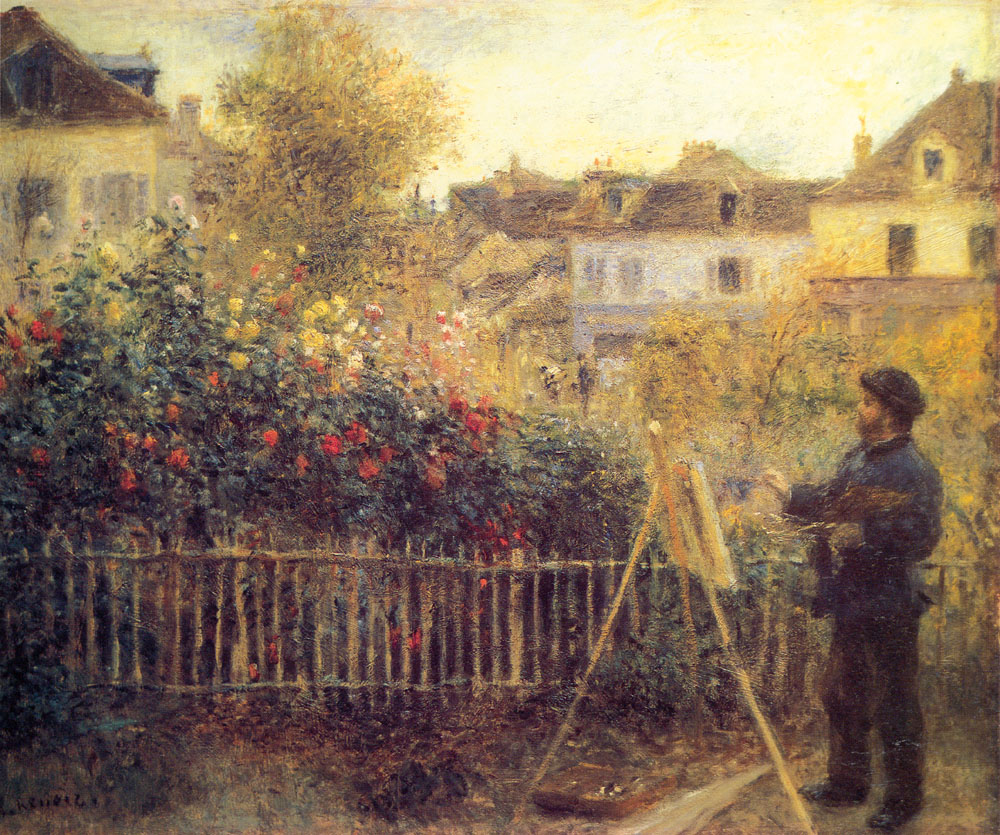
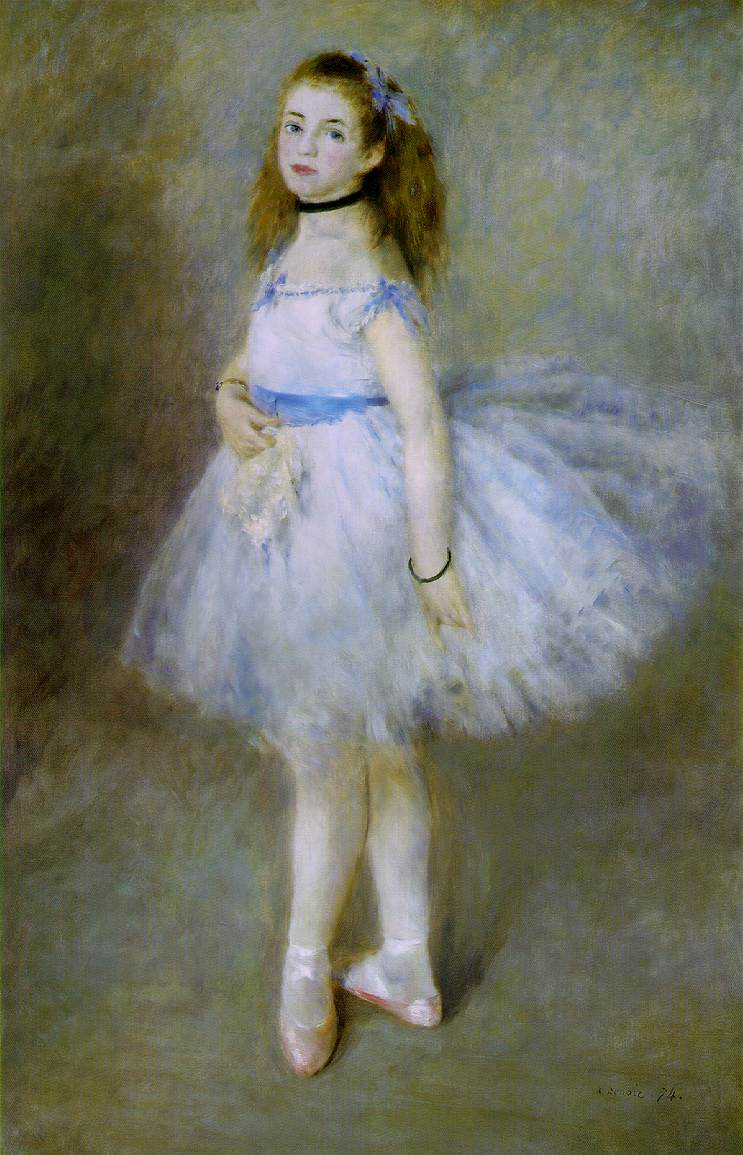
Renoir's technique emphasized vibrant color, visible brushwork and a focus on the effects of natural light. Early Impressionist canvases captured momentary impressions with broken brushstrokes and palette choices that avoided heavy darks. Later in his career he adopted a more disciplined, classical approach to drawing and form, blending the spontaneity of Impressionism with a warmer, more modeled handling of figures. Critics and historians often note his affinity with earlier masters such as Rubens and Watteau, particularly in his treatment of the female nude and festive company.
Major subjects and works
Renoir painted a wide range of subjects. He was celebrated for portraits—both commissioned and informal—of family, friends and public figures, and for intimate domestic scenes. Famous works include group compositions depicting leisure and dance, outdoor gatherings, and boating parties. He also explored still life and landscape with equal attentiveness to color relationships and surface texture. Many museums and collections feature his paintings as exemplars of 19th‑century French painting.
Career and development
Born in Limoges and trained in Paris, Renoir worked in porcelain and studied at the École des Beaux-Arts before joining peers such as Monet and Sisley in exhibitions that defined Impressionism. He participated in the early group shows and later traveled in France and Italy, which influenced his movement toward classical composition. In his final decades he continued to paint despite severe arthritis, adapting his method to maintain expressive output.
Legacy and notable facts
Renoir's influence extends to portraiture, decorative painting and modern perceptions of beauty and leisure. His work is frequently discussed alongside that of his Impressionist colleagues and earlier European masters; museums, books and exhibitions continue to reassess his contributions. For more on his life, catalogues and exhibitions see general resources on his biography and oeuvre: biography, Impressionism, portraits.
- Typical themes: family life, dance, bathing scenes, portraits.
- Technical notes: warm palette, textured brushwork, later classical drawing.
- Later life: worked through illness, continued prolific output.
Questions and answers
Q: When was Pierre-Auguste Renoir born?
A: Pierre-Auguste Renoir was born on February 25, 1841.
Q: What nationality was Pierre-Auguste Renoir?
A: Pierre-Auguste Renoir was French.
Q: What art style did Pierre-Auguste Renoir help to create?
A: Pierre-Auguste Renoir helped to create the Impressionist style.
Q: What types of work did Pierre-Auguste Renoir paint?
A: Pierre-Auguste Renoir painted portraits, still life, and social scenes of the day.
Q: What is Pierre-Auguste Renoir known for painting?
A: Pierre-Auguste Renoir is known for painting women.
Q: What has been said about Pierre-Auguste Renoir's painting style?
A: It has been said that "Renoir is the final representative of a tradition which runs directly from Rubens to Watteau" in reference to his painting style.
Q: When did Pierre-Auguste Renoir pass away?
A: Pierre-Auguste Renoir passed away on December 3, 1919.
Author
AlegsaOnline.com Pierre-Auguste Renoir: French Impressionist Painter (1841–1919) Leandro Alegsa
URL: https://en.alegsaonline.com/art/128751