
Pete Best — original drummer of The Beatles
Pete Best (born Randolph Peter Scanland, 1941) was the Beatles' first regular drummer. Overview of his early life, time with the group, dismissal in 1962, later life and legacy.
Overview
Randolph Peter Best (born Randolph Peter Scanland; 24 November 1941) is best known as the drummer who played with the group that became The Beatles during their formative years. He was part of the lineup that performed in Liverpool and Hamburg and remained with the band from about 1960 until August 1962. His departure shortly before the band's international breakthrough is a frequently discussed episode in popular music history.
Image gallery
3 Images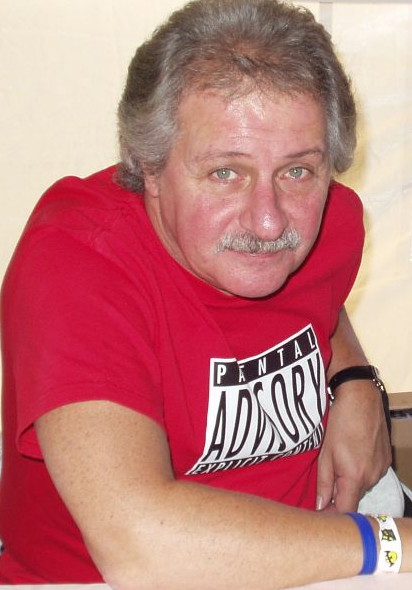


Early life and background
Best was born in Madras (now Chennai) and raised in a mixed family background; his early life bridged India and Britain. The family later settled in Liverpool. His mother, Mona Best, ran the Casbah Coffee Club, a small local venue that provided performance space for emerging groups and where the young band that became The Beatles sometimes played. That Liverpool club scene and the contacts it created were important to the band's early development.
Role in the band and recordings
Best joined the ensemble during the period of extended residencies in Liverpool and the German city of Hamburg. Contemporary accounts describe him as a visible and popular presence on stage during live club shows. He appears on a number of early live recordings made in those years and on some studio acetate work from the pre-fame period. When the group sought a recording contract, producers and managers weighed the contributions of individual members as part of decisions about the band's direction.
Dismissal in 1962
In August 1962 the band's manager, Brian Epstein, and others moved to replace Best with Ringo Starr. Accounts commonly cite the group's audition at EMI and the response of producer George Martin as influencing factors. The change was abrupt and painful for Best and has been examined in many histories of the group. He later described that period as traumatic and difficult to accept.
Aftermath and later life
After leaving the band, Best tried to form and play in other groups without achieving lasting commercial success. Reports indicate he experienced a very difficult stretch in the mid-1960s, and according to some accounts he attempted to take his own life in 1965. He later worked outside the music industry, including in public employment, and for many years kept a lower public profile.
Renewed attention and compensation
When the surviving members of the group released retrospective collections in the 1990s that included early material featuring Best, that period brought renewed attention. Best received financial compensation linked to those releases and in time began to participate in fan events and reunions. He has appeared at conventions and other gatherings, sometimes performing and speaking about his experiences; audiovisual interviews and archival materials document parts of this later public profile (recordings and interviews).
Legacy and assessment
Histories of the band continue to mention Best because he was its drummer during a formative period of performance and repertoire development in Liverpool and Hamburg. His connection to the Casbah Club remains part of local memory about the city's music scene. Assessments of his musicianship vary: contemporaries praised his stage presence, while some producers and peers preferred the drumming style that later became part of the group's studio recordings.
Further reading and research
- Biographies of the group and oral histories of Liverpool's club scene provide context for Best's years with the band.
- Contemporary press and archival recordings show the environment of early 1960s British popular music and club residencies.
- Public records and interviews discuss his later employment and life after leaving music, including his work in the civil service and occasional public appearances.
People interested in primary sources often consult collections relating to the early Beatles era at music archives and local repositories, as well as accounts of management decisions by figures such as Brian Epstein and studio evaluations by producers including George Martin. For background on Best's origins and early environment see general histories of Madras and modern accounts of life in England.
Despite not joining the group for its international success, Best's role in the band's formative period and his later public reintegration through retrospectives remain part of the broader story of one of the twentieth century's most influential popular music groups.
Author
AlegsaOnline.com Pete Best — original drummer of The Beatles Leandro Alegsa
URL: https://en.alegsaonline.com/art/128598