
Brian Epstein: manager of the Beatles and architect of their early success
Brian Epstein (1934–1967) was an English music manager and businessman best known for managing the Beatles, shaping their public image, securing record deals, and expanding modern pop management.
Overview
Brian Epstein was an English businessman and music manager whose work in the early 1960s helped transform the Beatles from a popular Liverpool club act into an international cultural phenomenon. Often described as the group's key commercial architect, he handled bookings, negotiated contracts and shaped the band's public image during their rise to global fame. For general background information see biographical resources.
Image gallery
9 Images


Early life and career
Epstein was born into a family that ran a retail and entertainment business in Liverpool and later managed their record store and booking agency. He had no formal musical training but combined retail experience, an eye for promotion and a determination to improve the presentation of the acts he represented. His work bridged retail, artist management and concert promotion, connecting local talent with larger recording opportunities. More on his business activities appears in collections about music industry pioneers: industry histories.
Managing the Beatles
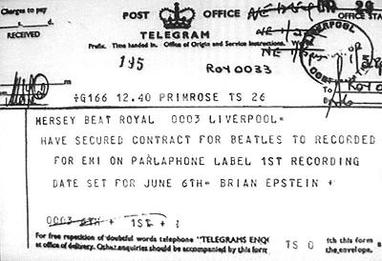
After seeing the Beatles perform at the Cavern Club in 1961, Epstein offered to manage them and set about changing their public image—arranging suits, cleaning up publicity, and pursuing record deals. He persistently shopped demo recordings and used professional contacts to secure an audition with Parlophone and producer George Martin. Epstein organized tours, appearances and merchandising, and acted as the band's chief negotiator with labels and promoters; he is frequently mentioned in discussions of early rock management and the development of pop stardom: the Beatles' management.
Contributions, later years, and death
Epstein expanded the Beatles' reach into television and international touring, and later formed the management company NEMS to represent other artists. He struggled privately with his sexuality and with pressures from the industry, and died in 1967 from an accidental overdose of sleeping medication. His death removed a central organisational figure from the Beatles' operations during a pivotal year for the group. His role is sometimes summarized in cultural histories of 1960s rock and popular music: rock histories.
Legacy and notable facts
- Credited with professionalizing the Beatles' public image and negotiating key deals.
- Often referred to in popular accounts as a decisive non-performing contributor to the band's success.
- Ran a management and merchandising business model that influenced later artist management.
Epstein's influence is commonly discussed in studies of celebrity management, the music business and the social changes of the 1960s. While remembered primarily for his association with the Beatles, his career illustrates how commercial management became central to the global spread of popular music.
Related articles
Author
AlegsaOnline.com Brian Epstein: manager of the Beatles and architect of their early success Leandro Alegsa
URL: https://en.alegsaonline.com/art/115612
Sources
- thejc.com : The fifth Beatle