
Pavel Nakhimov: Russian admiral and Crimean War commander
Pavel Stepanovich Nakhimov (1802–1855) was a prominent Russian naval officer known for his role at Navarino, the victory at Sinope, and his leadership during the Siege of Sevastopol.
Overview
Pavel Stepanovich Nakhimov (Russian: Па́вел Степа́нович Нахи́мов) was a leading officer of the Imperial Russian Navy in the first half of the 19th century. He gained early distinction in Mediterranean operations and later became one of the principal commanders during the Crimean War. Popularly remembered for his personal courage and organizational skill, Nakhimov became a symbol of naval leadership in Russia and is commemorated by orders, institutions and ships bearing his name. For background on his name and identity see Russian-language sources.
Image gallery
8 Images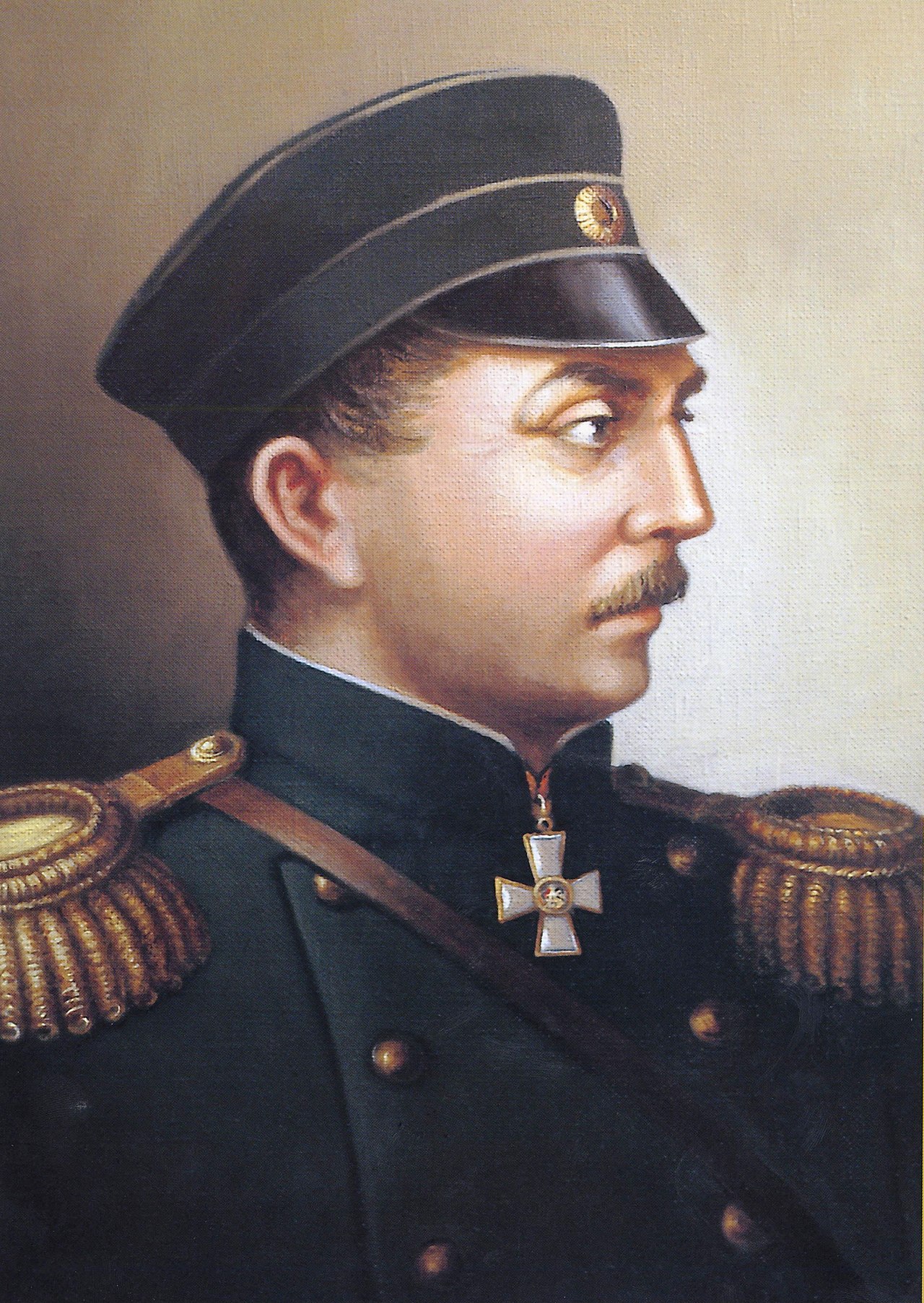




Early career and the Battle of Navarino
Nakhimov entered naval service in the early 1820s and served aboard the 74-gun ship Azov under Admiral Mikhail Lazarev. He participated in the 1827 Battle of Navarino, a major engagement in which a combined British, French and Russian fleet destroyed an Ottoman-Egyptian armada supporting operations in Greece. The battle curtailed Ottoman naval power in the eastern Mediterranean and raised Nakhimov’s profile as an able shipboard officer. Contemporary accounts and later studies describe Azov’s action; further reading is available at naval histories and at summaries of the battle here.
Rise to senior command and the Battle of Sinope
Over the following decades Nakhimov advanced through a variety of sea and shore commands. In November 1853 he commanded a squadron that defeated an Ottoman fleet off Sinope on the Black Sea coast. That action, marked by concentrated Russian fire against the Ottoman squadron, was one of the opening naval episodes of the Crimean War and influenced international reaction to the conflict. Analysts discuss this engagement in the context of naval gunnery, ship armor and tactics; summaries can be found at academic analyses and general histories here.
Siege of Sevastopol, leadership and death
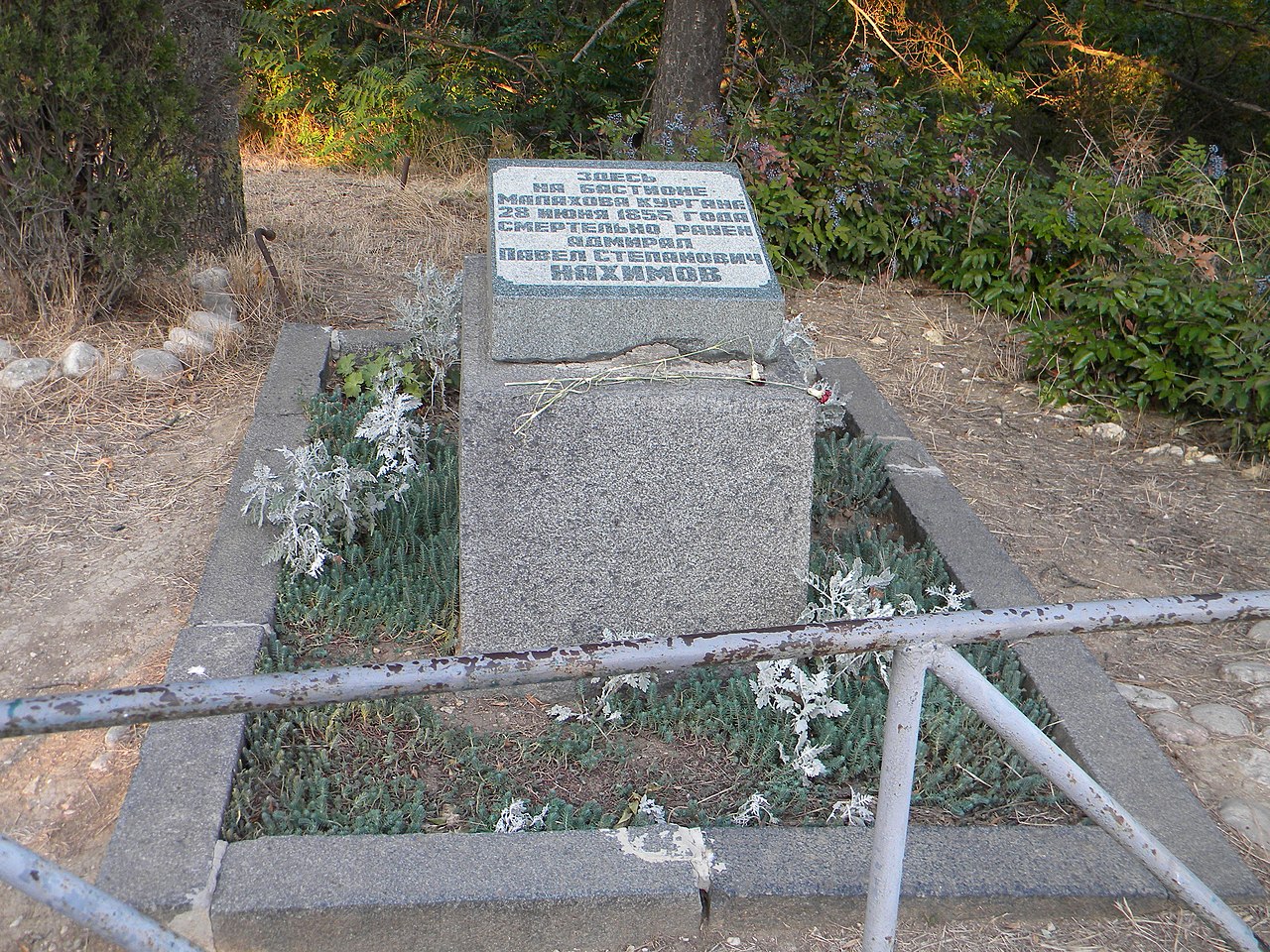
When the war expanded, Nakhimov took a primary role in organizing the defense of Sevastopol, combining naval and land forces to resist allied Anglo-French-Turkish operations. He supervised coastal batteries, harbor defenses and the coordination of sailors and marines with army units. On 10 July 1855 while inspecting forward positions near the Malakoff redoubt he was struck by a sniper’s shot and died two days later. His death was widely reported at the time and became a potent symbol in Russian wartime memory. For accounts of the siege and his role see detailed narratives here and archival summaries here.
Legacy, honors and commemorations
Nakhimov’s reputation endured after his death. He was honored by posthumous awards and his name has been given to naval academies, ships and decorations. The Soviet-era Order of Nakhimov and various monuments and institutions in Russia and former Soviet territory recall his service. For institutional histories and modern commemorations consult entries at military museums, the naval academy collections, and summaries of awards and vessels named for him here.
Notable characteristics and historical significance
- Command style: Nakhimov was noted for practical seamanship, attention to discipline and a hands-on approach to fortifications and training.
- Tactical impact: His actions at sea and during the defense of Sevastopol influenced naval operations in the Black Sea and contributed to debates about naval firepower and coastal defense.
- Cultural memory: He became a national symbol of sacrifice and service in Russian military historiography.
Further reading, primary documents and specialized studies are available through maritime history portals and military archives; selected resources: biographical overviews, battle studies, archival documents, and commemorative material here, here and here.
Author
AlegsaOnline.com Pavel Nakhimov: Russian admiral and Crimean War commander Leandro Alegsa
URL: https://en.alegsaonline.com/art/128377