
Otto Hahn — German chemist and discoverer of nuclear fission
Otto Hahn (1879–1968) was a German radiochemist whose experiments led to the 1938 discovery of nuclear fission. He won the 1944 Nobel Prize in Chemistry and later advocated for peaceful uses of nuclear energy.
Overview
Otto Hahn (8 March 1879 – 28 July 1968) was a German chemist and radiochemist whose experimental skill in chemical separation and radioactivity studies helped open the era of nuclear science. Trained in chemistry, Hahn led laboratory work that combined careful chemical analysis with emerging methods for detecting radioactive decay, producing results that reshaped physics and chemistry alike. For a general biographical outline see biographical overview.
Image gallery
10 Images




Research and the discovery of fission
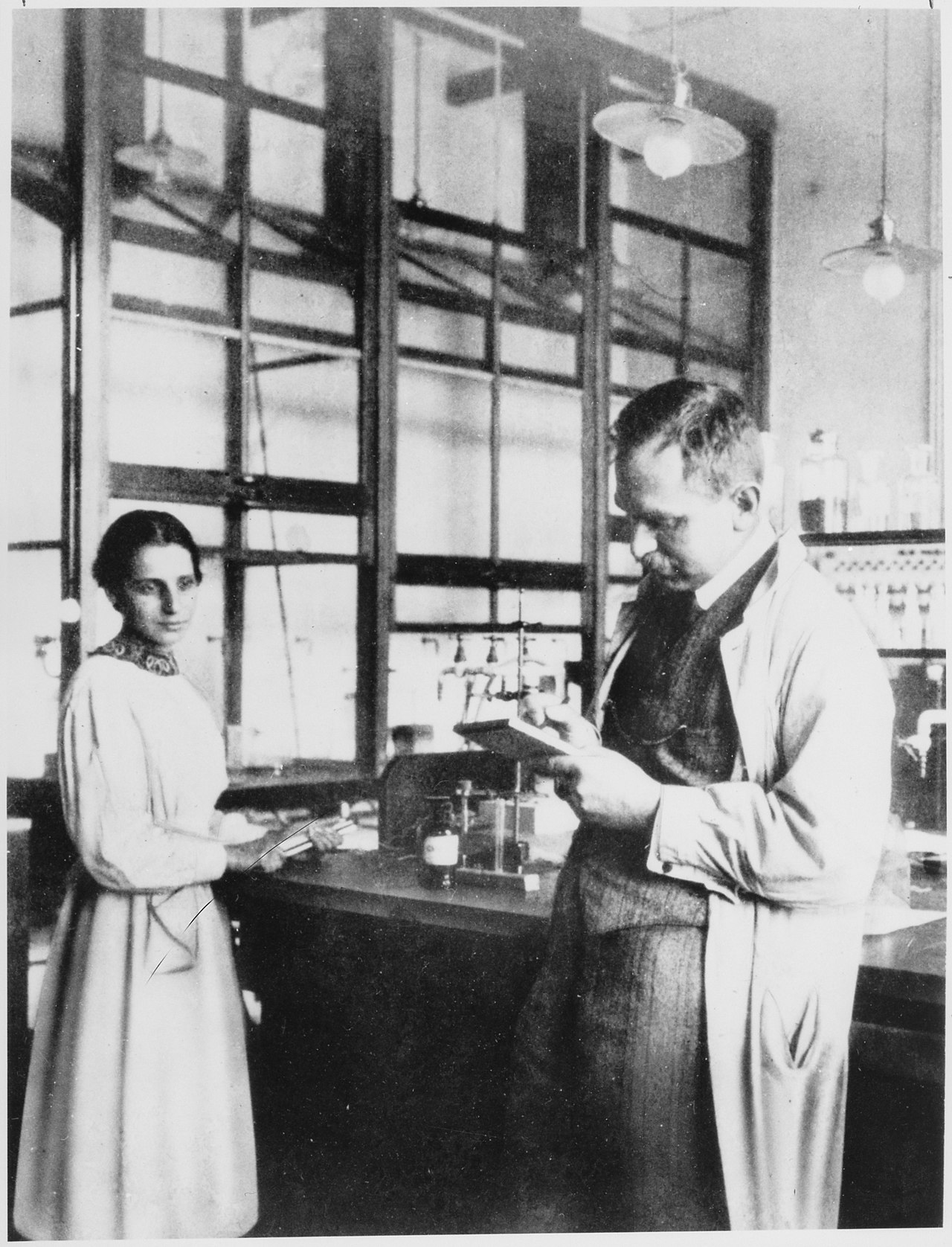
In the 1930s Hahn and his team irradiated uranium with neutrons and analysed the chemical products. Collaboration with Fritz Strassmann provided precise chemical identifications, while Lise Meitner and her collaborator Otto Frisch contributed the theoretical interpretation. In 1938 Hahn and Strassmann reported the unexpected presence of much lighter elements among uranium reaction products; Meitner and Frisch explained this as the splitting of the atomic nucleus, later termed nuclear fission. The work linked careful radiochemical experiment to contemporary atomic theory and nuclear physics.
Nobel Prize and controversy
Hahn was awarded the 1944 Nobel Prize in Chemistry for the discovery of the fission phenomenon. The wording and sole award occasioned debate because Meitner, who provided essential theoretical interpretation and context, was not included. Historians note scientific, institutional and political factors influenced recognition; discussions of credit continue in historical literature.
Later career and public stance
After World War II Hahn remained an influential figure in German science administration and public life. He became an outspoken advocate for the peaceful use of nuclear energy and for international controls to prevent the proliferation of nuclear weapons. His public statements and participation in scientific organizations reflected concern about the ethical and political consequences of nuclear research.
Legacy and significance
- Advanced laboratory methods in radiochemistry and the chemical analysis of radioactive elements; see selected scientific papers.
- Provided key experimental evidence that heavy atomic nuclei can split into lighter elements, founding a new field of nuclear chemistry and influencing nuclear physics.
- Illustrates the interaction between experiment and theory in major scientific advances and the complexities of scientific credit.
For further context on collaborators and aftermath, consult resources on Lise Meitner and Fritz Strassmann, and materials that place Hahn's work within mid-20th century developments in atomic theory and technology. Additional documentation and archives related to awards and institutional history can be found through Nobel documentation and historical reviews. General introductions and scholarly accounts are recommended for readers seeking more detail on experiments, chronology, and the ethical debates that followed.
Author
AlegsaOnline.com Otto Hahn — German chemist and discoverer of nuclear fission Leandro Alegsa
URL: https://en.alegsaonline.com/art/127986