
Nellie Bly — American investigative journalist and pioneering reporter
Elizabeth 'Nellie Bly' Cochran (1864–1922) was an American investigative reporter, novelist and inventor, famous for undercover exposés such as Ten Days in a Mad-House and a 72-day circumnavigation.
Nellie Bly was the pen name of Elizabeth Jane Cochran (May 5, 1864 – January 27, 1922), an American writer whose work helped define modern investigative journalism. She combined bold field reporting, popular features, and narrative skill to expose social problems and to capture public imagination with daring exploits. Over the course of her career she was a newspaper journalist, author, and has been described as an inventor and businesswoman.
Image gallery
10 Images



Early life and career
Born near Cochran's Mills, Pennsylvania, she entered journalism in the 1880s and adopted a lively pen name to publish practical, persuasive columns aimed at readers who felt ignored. After local work she moved to New York, where her assignments enlarged in scope. She reported for city newspapers and developed a reputation for human-interest pieces that highlighted the conditions faced by marginalized people. Her employer in New York gave her opportunities to pursue immersive reporting that other writers seldom attempted.
Investigative reporting and Ten Days in a Mad-House
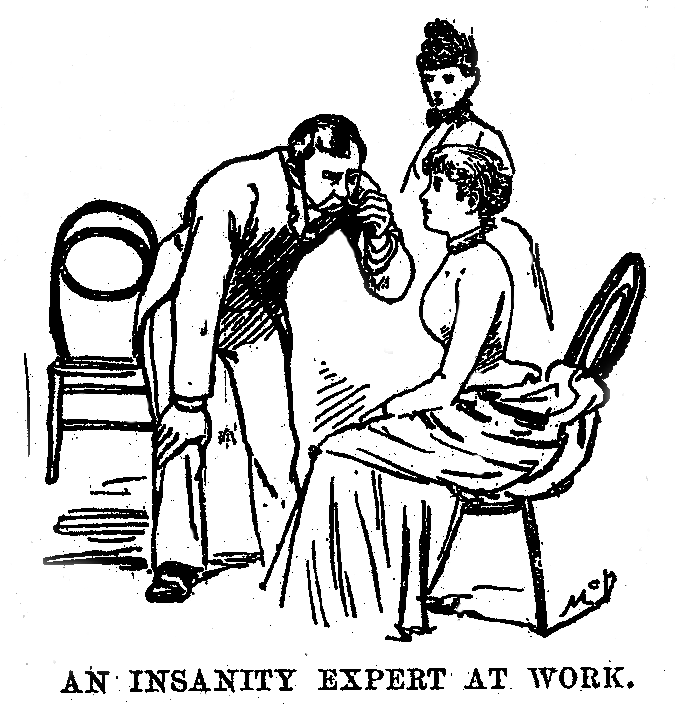
One of her best-known investigations involved going undercover as a patient in a psychiatric hospital to observe treatment of the mentally ill. The resulting series of reports and the later book, commonly cited as Ten Days in a Mad-House, documented neglect and cruelty and contributed to public pressure for reform. Her method — blending disguise, direct observation, and narrative detail — helped establish the power of undercover journalism to prompt change.
The global voyage
In another highly publicized episode she undertook a fast-paced trip around the world. Inspired by an adventure novel — notably Around the World in Eighty Days by Jules Verne — she aimed to beat the fictional schedule. The journey, completed in roughly 72 days, captured widespread attention and became a defining element of her public persona, illustrating both the reach of newspapers in the era and the era's fascination with travel and technology.
Later life, business and legacy
She married an industrialist and later managed his business interests after his death, expanding her activities beyond reporting. She has been remembered not only for high-profile stunts but also for steady investigative work that drew attention to labor conditions, institutions, and the lives of ordinary people. Her contributions to journalism and women's public roles led to recognition long after her death, including induction into halls of fame and continued study in media history.
Notable facts
- Undercover exposé: Her hospitalization series brought reforms to some care facilities and increased awareness of institutional abuse.
- Record voyage: The fast circumnavigation — the 72-day trip — made her an international celebrity and showed how newspapers could shape adventure narratives.
- Business role: After marriage she ran her husband's company, an uncommon position for a woman of her time, combining editorial experience with industrial management.
- Recognition and death: Her work continues to be cited in journalism history; she died in New York City of pneumonia in 1922.
Readers interested in primary texts and archives can follow references and collections that preserve her reports and letters. For more context on the cultural spark that prompted her famous trip, see the novel that inspired it and discussions of literature's influence on real-life endeavors.
Author
AlegsaOnline.com Nellie Bly — American investigative journalist and pioneering reporter Leandro Alegsa
URL: https://en.alegsaonline.com/art/127507