
Psychiatric hospital
A psychiatric hospital is a medical facility that assesses, treats and supports people with acute or chronic mental disorders through inpatient care, crisis stabilization, rehabilitation and transitional services.
Overview
A psychiatric hospital is a health-care facility focused on the diagnosis, treatment and management of people with mental illnesses, severe emotional disturbances or behavioural disorders. Hospitals provide structured inpatient care for individuals experiencing acute crises, exacerbations of chronic conditions, or risks to safety. Care aims to reduce immediate risk, stabilise symptoms, restore functioning and plan follow-up support for return to community life.
Image gallery
10 Images






Core services and staff
Treatment typically includes medication management, individual and group psychotherapy, crisis intervention, occupational and recreational therapies, and rehabilitation planning. Care is delivered by a multidisciplinary team of psychiatrists, psychiatric nurses, psychologists, social workers, occupational therapists and other allied professionals. Effective programs coordinate with outpatient providers, community mental health services and peer-support organisations.
Admission, consent and legal aspects
Admission can be voluntary or involuntary. Voluntary patients consent to treatment; involuntary admission is used in some jurisdictions when a person is judged to present serious risk to themselves or others. Legal safeguards, review processes, length of detention and patients' rights vary by region. Hospitals must balance individual autonomy, clinical safety and applicable laws while providing humane care.
Treatment approaches
- Pharmacotherapy to manage symptoms such as psychosis, mood instability or severe anxiety.
- Psychotherapies—cognitive, behavioural, family or other evidence-based approaches—often delivered in individual or group formats.
- Rehabilitation, social skills and vocational supports to aid recovery and community integration.
- Specialised interventions, including short-term procedures for severe, treatment-resistant illness, under strict clinical governance.
Environment, safety and length of stay
Modern units emphasise safe, therapeutic environments with measures that reduce distress and prevent harm. Length of stay varies from brief crisis stabilisation to longer admissions for complex needs; discharge planning begins early to ensure continuity of care and support on leaving hospital.
Community transition and alternatives
Many systems promote alternatives to prolonged hospitalization. Transitional options such as a halfway house or a group home offer supervised living, vocational assistance and social services for people moving back into the community. Outpatient clinics, crisis teams and supported housing are further components of an integrated mental health system.
History, challenges and reform
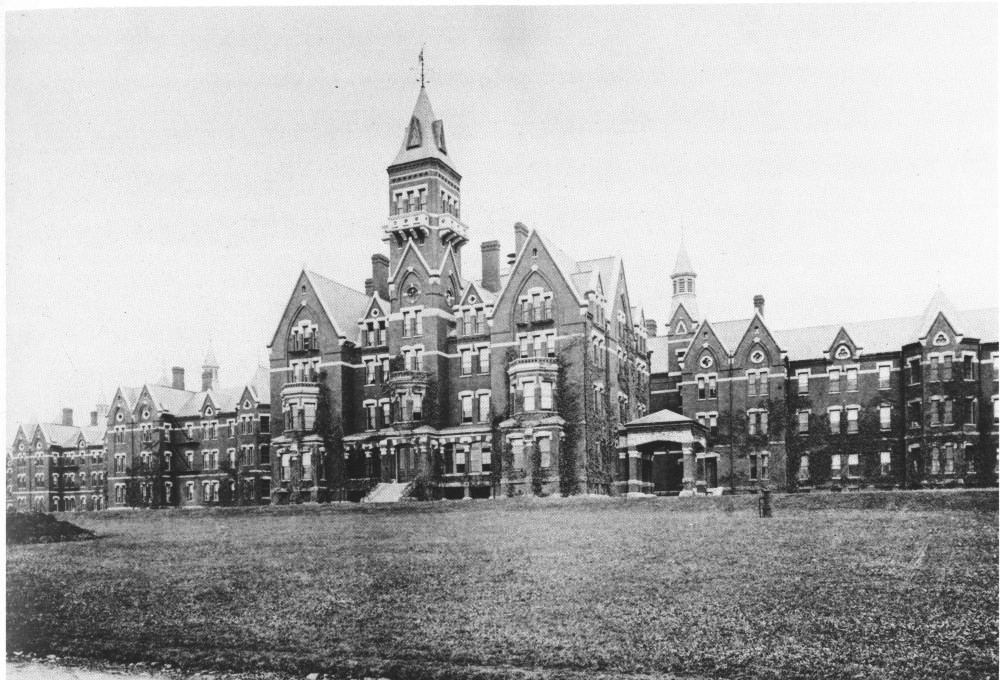
Psychiatric care has evolved from large asylums to more humane, community-based approaches and specialised hospitals. Contemporary debates focus on balancing inpatient care with community supports, reducing stigma, protecting patient rights and improving quality and access to services. For general information and practical resources about care for people with mental illness, consult local health authorities and reputable organisations.
Related articles
Author
AlegsaOnline.com Psychiatric hospital Leandro Alegsa
URL: https://en.alegsaonline.com/art/79847