
Nader Shah: Afsharid ruler of Iran (1736–1747)
Nader Shah (1688–1747) was a Persian military leader who founded the Afsharid dynasty, restored central authority in Iran, led sweeping campaigns across the region and famously sacked Delhi.
Overview: نادرشاه افشار, better known in English as Nader Shah, rose from a tribal military commander to become Shah of Iran. He was proclaimed ruler in 1736 and reigned until 1747. As the founder of the Afsharid dynasty, his short but turbulent rule reshaped Iran's political map and left a contested legacy of military brilliance and harsh rule.
Image gallery
10 Images


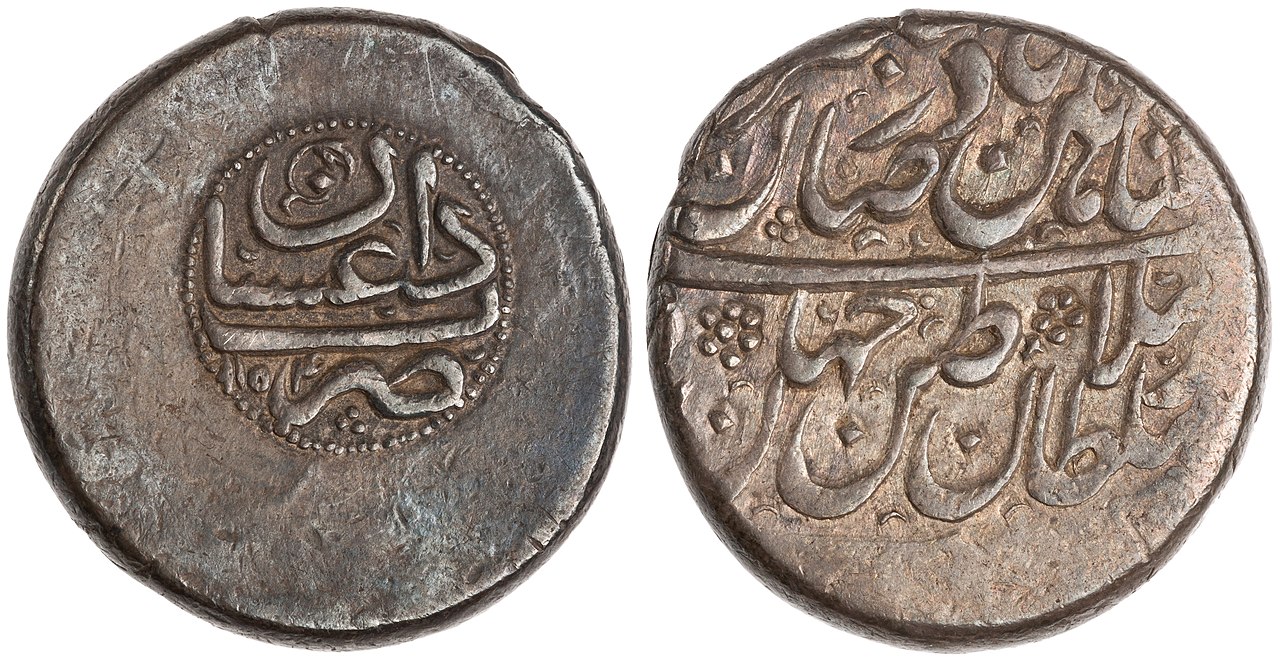


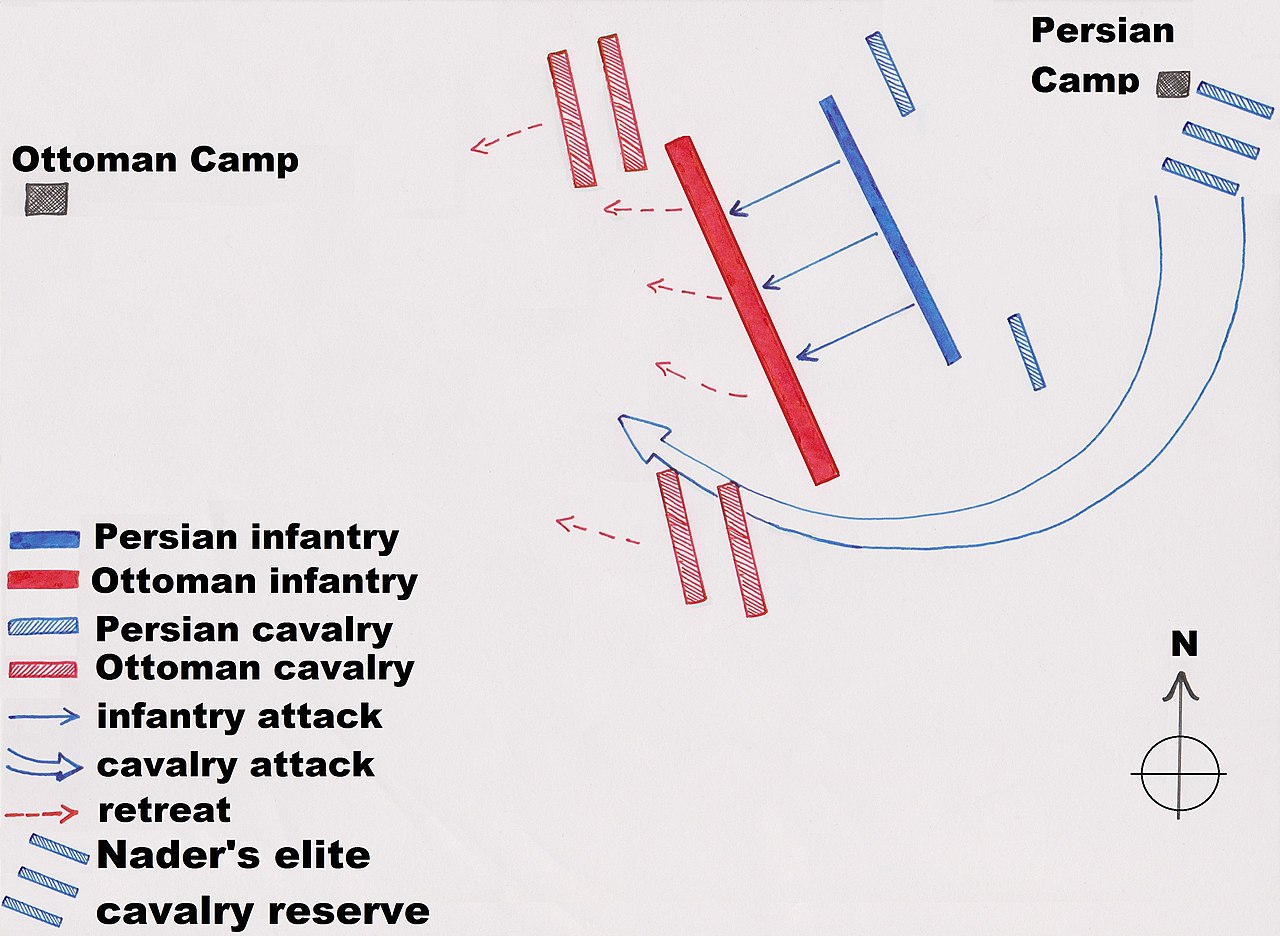


Early life and rise to power
Nader emerged from the Afshar tribe and built his reputation as a capable general during a period of decline and fragmentation in Safavid Iran. Exploiting weak central authority, he gradually reunited much of the country through a combination of military skill, alliances, and decisive campaigns. In 1736 he was elevated from commander to monarch, effectively replacing the weakened Safavid house.
Military campaigns and the Indian expedition
Nader Shah conducted multiple campaigns to secure Iran's frontiers, pushing into the Caucasus, Mesopotamia and Central Asia. His most famous expedition was into the Mughal territories of northern India. In 1739 he defeated the Mughal ruler Muhammad Shah and entered Delhi, where a notorious sack produced enormous spoils. The campaign into India boosted his prestige and filled the royal treasury with war booty, including famous treasures later associated with Persian ownership.
Government, reforms and rule
As ruler, Nader attempted to reform the army and central administration, emphasizing a disciplined, mobile military and efforts to restore revenue collection. His reign combined effective military administration with increasingly autocratic measures. Contemporary accounts describe both public order restored in many regions and harsh punishment for dissent.
Death, succession and legacy
Nader Shah was assassinated by his own officers in 1747. After his death the empire he had welded quickly fragmented and the Afsharid dynasty declined. Historians credit him with temporarily restoring Iranian power, demonstrating exceptional tactical ability, and altering regional balances, while also noting the instability and violence that marked his rule.
- Founder of the Afsharid state: Afsharid dynasty
- Rule established in: 1736
- Death in: 1747
- Notable campaign: invasion of India and sack of Delhi
- Title and contemporary seat: Shah of Iran
Notable facts: Nader Shah is widely remembered for rapid military campaigns, the capture of vast plunder from India, and for shaping a brief restoration of central authority in Iran. Scholarly assessments balance admiration for his tactical skill with criticism of the brutality of his later rule and the rapid disintegration of his polity after his death.
For further structured reading and primary-source excerpts consult dedicated historical resources: Persian sources, biographical surveys (royal titles), and regional studies of Iran during the early 18th century.
Author
AlegsaOnline.com Nader Shah: Afsharid ruler of Iran (1736–1747) Leandro Alegsa
URL: https://en.alegsaonline.com/art/127348