
1736
Year 1736: overview of politics, science and culture — Qianlong era begins, Euler's Königsberg paper, Britain's Gin Act, and the birth of James Watt.
The year 1736 was marked by continuing conflicts between states, notable advances in mathematics, and attempts by governments to regulate social life in rapidly changing cities. Regional wars and diplomatic manoeuvres shaped European and Eurasian affairs, while intellectual and technical developments hinted at longer-term transformations in science and industry.
Image gallery
7 Images



Politics and international context
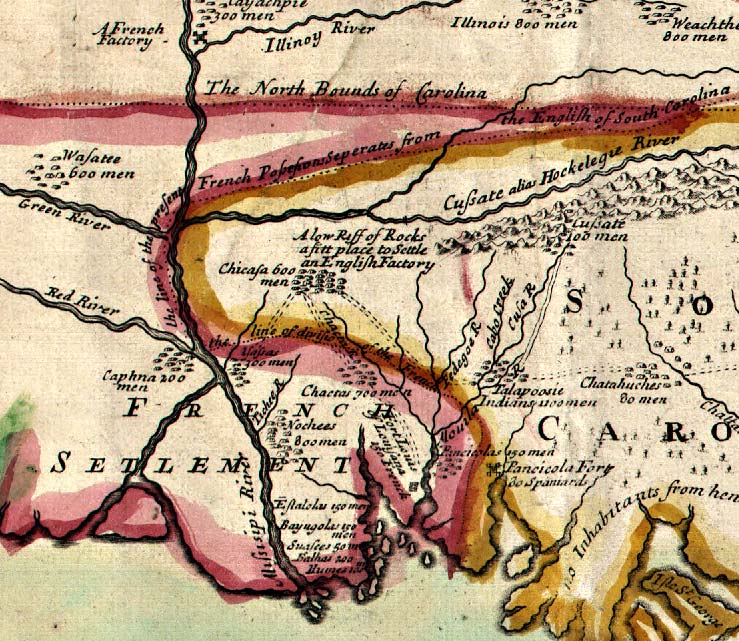
The War of the Polish Succession (1733–1738) remained an active theatre of competition among France, Austria, Russia and other powers for influence in Central and Eastern Europe. In the Ottoman, Persian and Russian borderlands sporadic clashes and shifting alliances reflected the imperial contest for territory and influence. In East Asia the Qianlong era was formally dated from 1736; the Qianlong Emperor of the Qing dynasty would preside over a lengthy reign associated with administrative consolidation, cultural patronage and expansion of imperial control.
Science, mathematics and ideas
In 1736 Leonhard Euler published his argument on the problem of the Seven Bridges of Königsberg, showing that no walk exists that would cross each bridge exactly once. This concise reasoning is widely regarded as an early and influential result in combinatorial topology and what later became graph theory: it emphasised structure and relation over traditional geometric measurement. The same period saw active inquiry in natural philosophy, mechanics and experimental study that set intellectual conditions for later technological change.
Society, law and economy
Social regulation and urban policy were prominent in Britain, where the Gin Act of 1736 attempted to curb excessive consumption of cheap spirits by imposing high duties and strict licensing on distillers and retailers. The measure was controversial, proved difficult to enforce, and highlighted tensions over poverty, public order and moral reform in growing towns. Colonial trade and plantation economies continued to influence metropolitan politics, finance and labour systems across the Atlantic.
Culture, technology and notable births
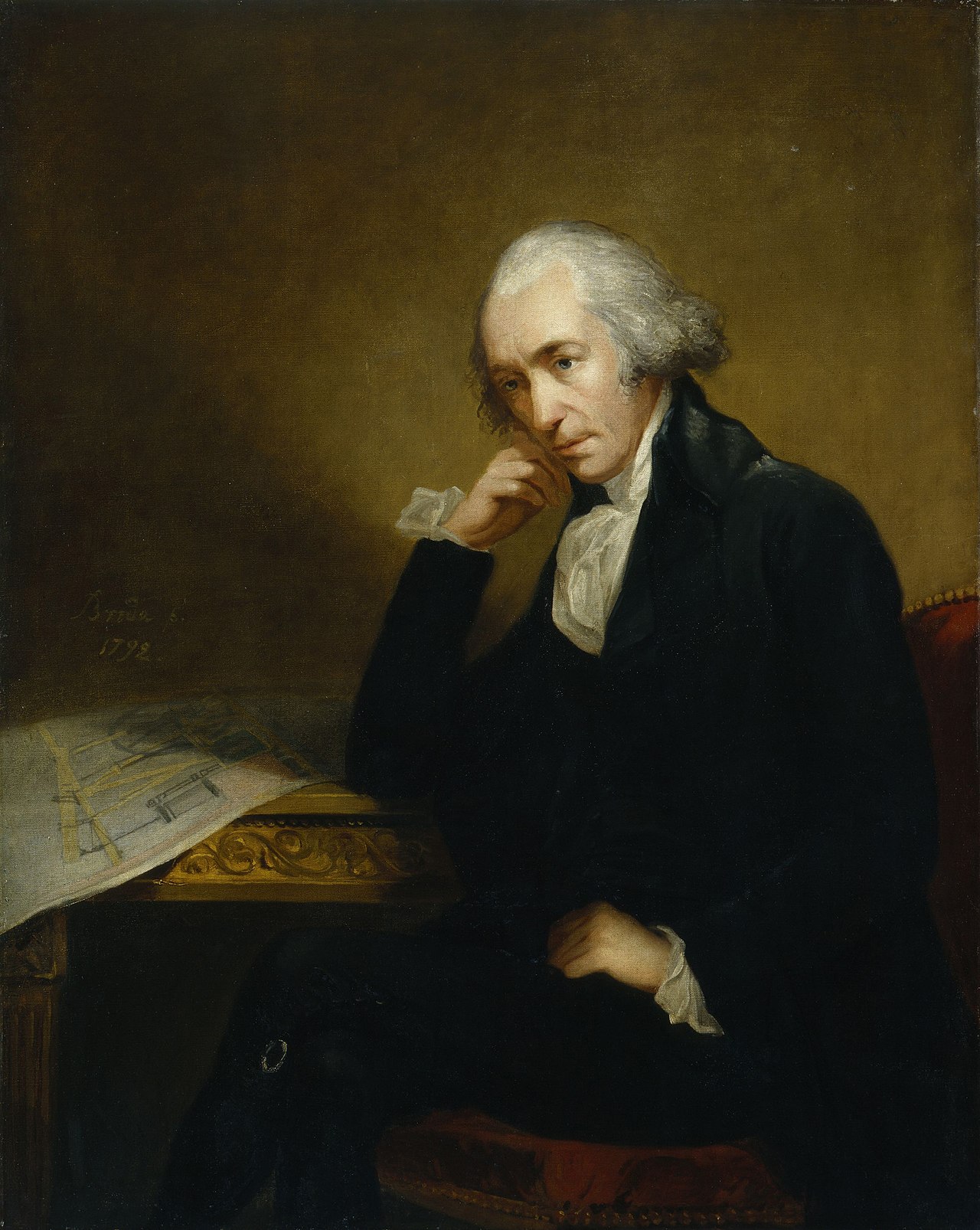
Cultural life across Europe included court patronage of music and the theatre and continued publishing of literature and learned works. The Scottish instrument-maker and inventor James Watt was born in 1736 in Greenock; his later improvements to the steam engine would become central to developments in manufacturing and transport in the decades that followed.
Notable facts and legacy
- Euler's Königsberg paper is often cited as a foundational contribution to graph theory and network thinking.
- The Qianlong era's official start in 1736 marked the beginning of a long and influential reign in Qing China.
- Britain's Gin Act exemplified early 18th-century attempts to legislate consumption and public behaviour in expanding cities.
Events of 1736 illustrate how military rivalry, imperial politics, legal experiments and scientific insight intersected in the mid-18th century, creating conditions that would shape subsequent economic and intellectual developments.
Related articles
Author
AlegsaOnline.com 1736 Leandro Alegsa
URL: https://en.alegsaonline.com/art/111676