
Bois de Boulogne — Paris’s Western Urban Forest and Recreational Park
Large public park on Paris’s western edge created under Napoleon III. Features lakes, gardens, greenhouses, racecourses, an amusement park and the Roland‑Garros tennis stadium within varied landscape zones.
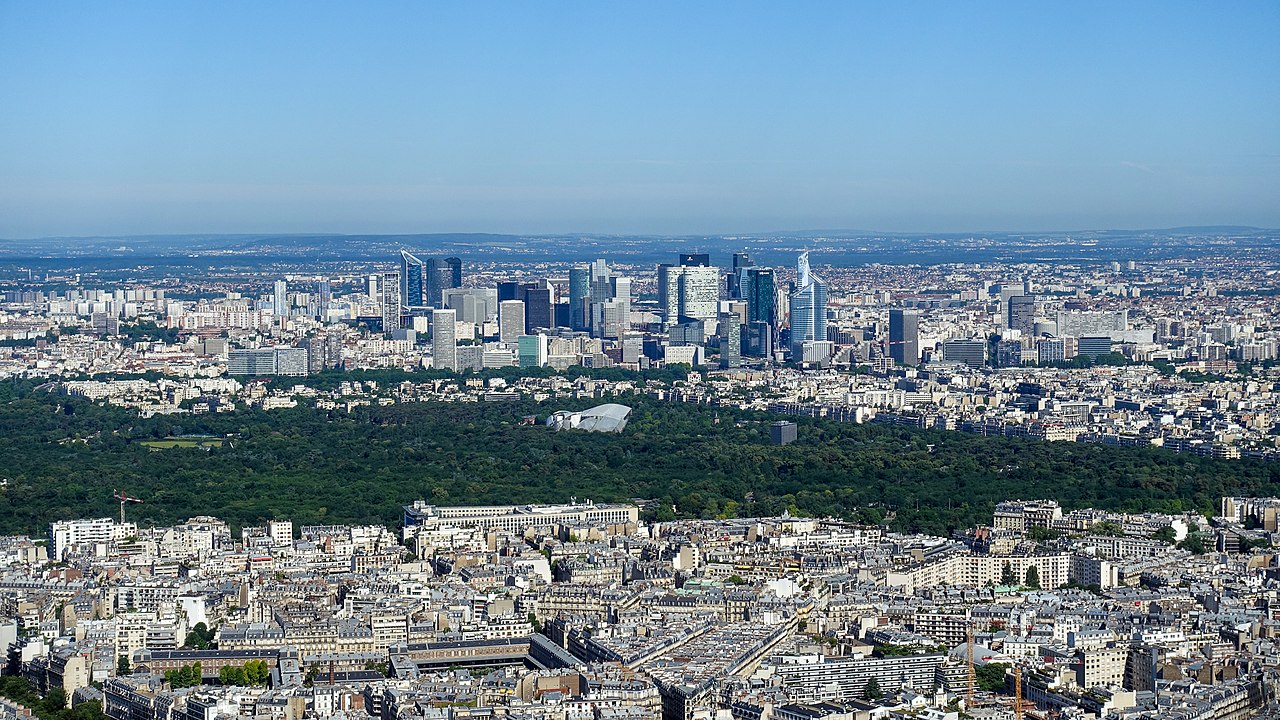
The Bois de Boulogne is a major public park and wooded area on the western side of Paris. Created in the mid‑19th century, it functions as both an urban green lung and a center for leisure, sport and horticulture. The park lies in the city’s 16th arrondissement and borders the suburbs of Boulogne‑Billancourt and Neuilly‑sur‑Seine, forming one of the largest continuous open spaces associated with Paris.
Image gallery
10 Images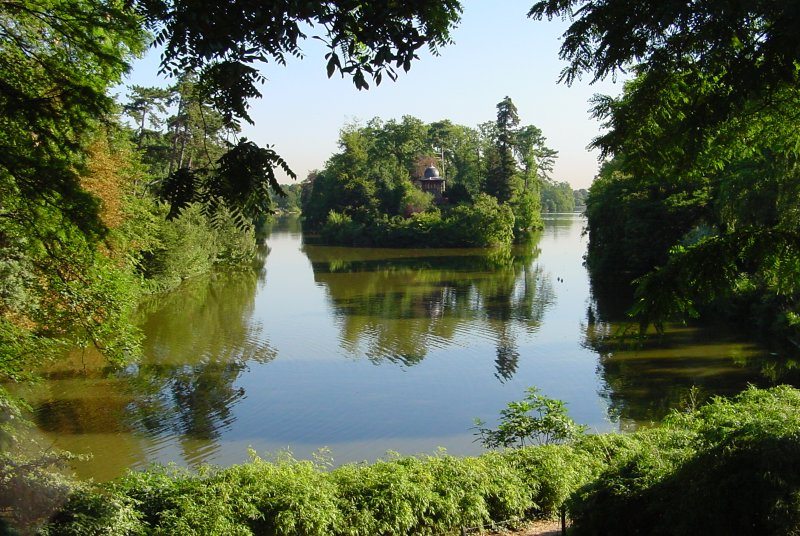



Origins and 19th‑century redevelopment
The site was for centuries a royal hunting ground before being transformed between 1852 and 1858 during the reign of Emperor Louis‑Napoléon (Napoleon III). As part of a broader program of urban renewal led by Baron Haussmann, landscape engineer Jean‑Charles Alphand shaped the Bois into an English‑style landscape park with winding paths, planted vistas, artificial lakes and varied planting. The design reflected contemporary ideas about public health, recreation and the civic benefits of accessible green space.
Size and comparisons
Covering a substantial area—commonly cited as around 8.4 square kilometres—the Bois de Boulogne is larger than many well‑known city parks. It is often compared in scale to New York’s Central Park and to large metropolitan parks such as Richmond Park near London. For visitors from abroad, comparisons to parks in New York and London help convey its extent and diversity of uses.
Principal features and attractions
- Wooded areas and promenades offering informal walking and cycling routes.
- A network of artificial lakes, islands and a cascade that permit boating and waterside recreation.
- Historic gardens such as the Parc de Bagatelle, noted for roses, and the Jardin des Serres d'Auteuil, with extensive greenhouses and plant collections.
- Family attractions including the long‑established Jardin d'Acclimatation, an amusement and educational park.
- Sporting venues: two hippodromes and racecourses used for horse racing and training (racecourses), and a major clay‑court tennis complex (tennis complex) that hosts the annual French Open.
Horticulture, ecology and management
The park combines managed ornamental gardens and semi‑natural woodland. The historic greenhouses sustain large collections of subtropical and tender plants, while open lawns, shrubberies and mature trees support urban wildlife such as common birds, small mammals and diverse invertebrates. Park management balances conservation, daily recreation and large events; planting and maintenance follow practices intended to retain the Second Empire character while adapting to contemporary needs.
Access, use and cultural role
Multiple entrances connect the Bois to nearby avenues, metro stations and suburban roads, making it readily accessible for residents and visitors. It accommodates everyday uses—jogging, picnics, boating and family outings—as well as scheduled public events, horse racing meetings and international sporting tournaments. The park remains an important heritage landscape from the Second Empire and a living public resource that shapes leisure, sport and nature experience in western Paris.
Further reading and practical information may be found via local tourism resources and municipal publications concerning the Bois, the adjacent communes of Boulogne‑Billancourt and Neuilly‑sur‑Seine, or comparative materials on large urban parks such as Central Park and Richmond Park. Visitors interested in sporting schedules may consult programmes for the hippodromes and the tennis complex that stages the French Open. General context on Paris and its green spaces is available from guides to Paris and reference works comparing metropolitan parks in New York and London.
Related articles
Author
AlegsaOnline.com Bois de Boulogne — Paris’s Western Urban Forest and Recreational Park Leandro Alegsa
URL: https://en.alegsaonline.com/art/12727
Sources
- commons.wikimedia.org : Bois de Boulogne
- paris-walking-tours.com : paris-walking-tours.com/boisdeboulogne.html