
Horse racing: overview, types, history, major events and global importance
Comprehensive overview of horse racing: what it is, principal race types, history, major international events, venues, and the sport's cultural and economic roles.
Overview
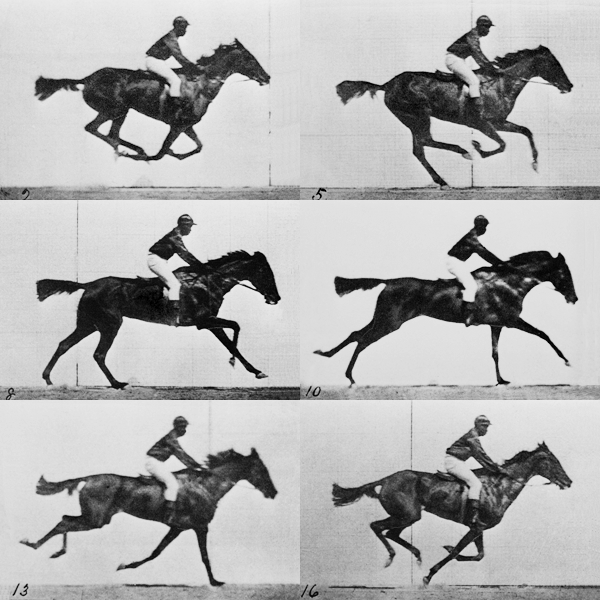
Horse racing is a competitive sport in which horses run to determine a winner in a timed contest. Traditionally organized as a sport, each event or race is contested between animals bred, trained and ridden or driven for the purpose. The horses themselves (racehorses) are often selectively bred for speed, stamina and temperament; in many countries the Thoroughbred is the principal breed for flat racing.
Image gallery
10 Images




Types and characteristics
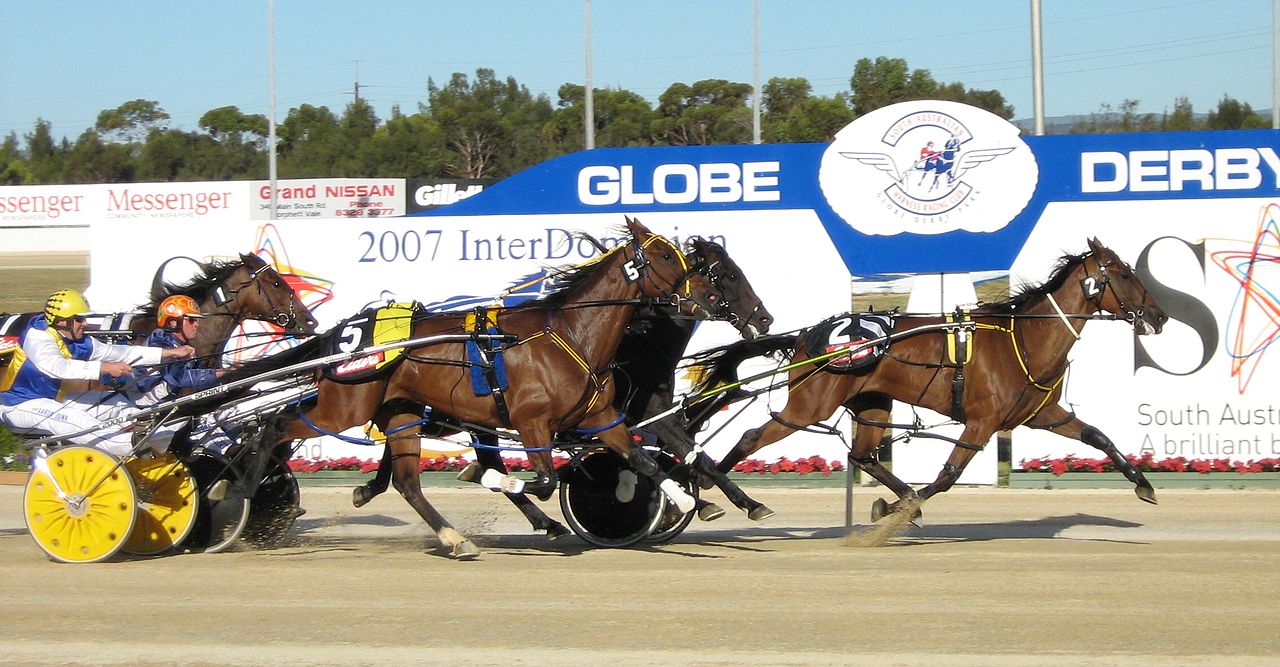
Modern horse racing includes several distinct forms. Flat racing pits horses over a level course and varying distances, emphasizing speed. Jump racing (also called steeplechase or National Hunt) tests endurance and jumping ability over fences and ditches. Harness racing features horses pulling a sulky while maintaining a specific gait, and is commonly held at tracks for Standardbred horses. Each discipline has its own rules, track surfaces and specialized training methods. Notable venues that focus on specific types include Yonkers for harness racing and many historic tracks for flat and jump events.
History and development
Horse racing is one of the oldest organized sports, with informal contests recorded in ancient civilizations. Over centuries it evolved from local match races and military training into regulated competitions with standardized distances, rules and breeding practices. In Britain and Ireland the modern Thoroughbred industry developed in the 17th and 18th centuries, while other countries established their own traditions and registries. Regulatory bodies grew to oversee wagering, welfare, anti-doping and fair competition as the sport became commercially significant.
Major races and venues worldwide
- The Kentucky Derby at Churchill Downs, Louisville is among the most famous American races and forms part of the Triple Crown series.
- Europe hosts historic fixtures at locations such as Longchamp (Paris) and the meeting at Ascot, with major centers in Newmarket, Epsom, Chepstow, York, Cheltenham and Punchestown.
- In the Middle East and Australia, high-profile events include the Dubai World Cup and the Melbourne Cup, traditionally run in Australia on a designated day in November and celebrated as a major national spectacle, often associated with fashion and social gatherings such as millinery in Melbourne.
Global centres and regional scenes
Racing has important hubs around the world. The United Kingdom and Ireland retain deep historical and breeding roles, while the United States, Australia and parts of the Middle East host lucrative international meetings. In East and Southeast Asia, professional racing is established in Japan, Hong Kong, Macau and Singapore, each with their own racing calendars and breeding industries. The sport combines local traditions with international competition and travel for elite horses and trainers.
Importance, uses and distinctions
Horse racing influences breeding, equine science, tourism, and entertainment. It is closely linked to betting markets, which historically helped fund purses and infrastructure while prompting regulation. Distinctions worth noting include the difference between breeds used (for example, Thoroughbreds for flat and jump racing versus Standardbreds for harness), and the separate rulesets for flat, jump and harness events. Welfare and safety have become central concerns, spurring advances in veterinary care, track design and oversight.
Examples of how the sport is experienced
- Local race meetings that combine amateur competition, community events and lower-stakes betting.
- Major festivals and carnivals featuring high-profile stakes races, fashion, and international entries.
- Training and stud operations that underpin the bloodstock market and long-term performance planning.
For further reading about specialized topics such as rules, betting regulation and breeding, see dedicated resources and governing bodies that cover specific jurisdictions and forms of the sport. A range of historical and contemporary angles—from archaeological evidence of early equine contests to modern broadcast and international racing circuits—illustrate why horse racing remains a prominent, multifaceted activity worldwide. Race formats, venues and cultural meanings vary, but the central contest between horse and competitor continues to attract wide public interest.
Additional informational resources on venues and race types can be found through national racing authorities and racing clubs linked above for each region and event.
Related links: sport overview, Far East racing overview.
Questions and answers
Q: What type of horses are used for racing?
A: Racehorses are most often thoroughbreds.
Q: What is the Kentucky Derby?
A: The Kentucky Derby is a major horserace that is held at Churchill Downs in Louisville, Kentucky every year and is part of the Triple Crown, which includes two other races.
Q: Where does harness racing take place?
A: Harness racing takes place in Yonkers, New York.
Q: What are some important races outside of the US?
A: Important races outside the US include Longchamp near Paris, the Dubai Gold Cup and the Melbourne Cup, held every year in Australia on the second Tuesday of November.
Q: What race takes place in Australia annually?
A: The Melbourne Cup takes place annually in Australia on the second Tuesday of November and is heralded as "the race that stops the nation." Over 11 million people from Australia and New Zealand tune in to listen to this race starting at 3pm.
Q: What major races take place in UK and Ireland?
A: Major races taking place in UK and Ireland include Ascot, Newmarket and Grand National as well as Epsom, Chepstow, Goodwood, York Cheltenham and Punchestown County Kildare.
Q: Where do major horse races take place in Asia?
A: Major horse races take place Japan, Hong Kong Macau and Singapore.
Related articles
Author
AlegsaOnline.com Horse racing: overview, types, history, major events and global importance Leandro Alegsa
URL: https://en.alegsaonline.com/art/45161