
Moon Landrieu: New Orleans Mayor, Civil Rights Advocate, and HUD Secretary
Maurice 'Moon' Landrieu (1930–2022) was an American Democratic politician who served as New Orleans mayor (1970–78), U.S. Secretary of Housing and Urban Development (1979–81), state legislator and judge.
Maurice Edwin "Moon" Landrieu was an American politician and public official whose career linked local reform to national urban policy. A member of the Democratic Party, Landrieu served as mayor of New Orleans from 1970 to 1978 and later as United States Secretary of Housing and Urban Development under President Jimmy Carter. He combined attention to municipal services and infrastructure with a commitment to broaden political participation during a pivotal era for civil rights.
Image gallery
5 Images
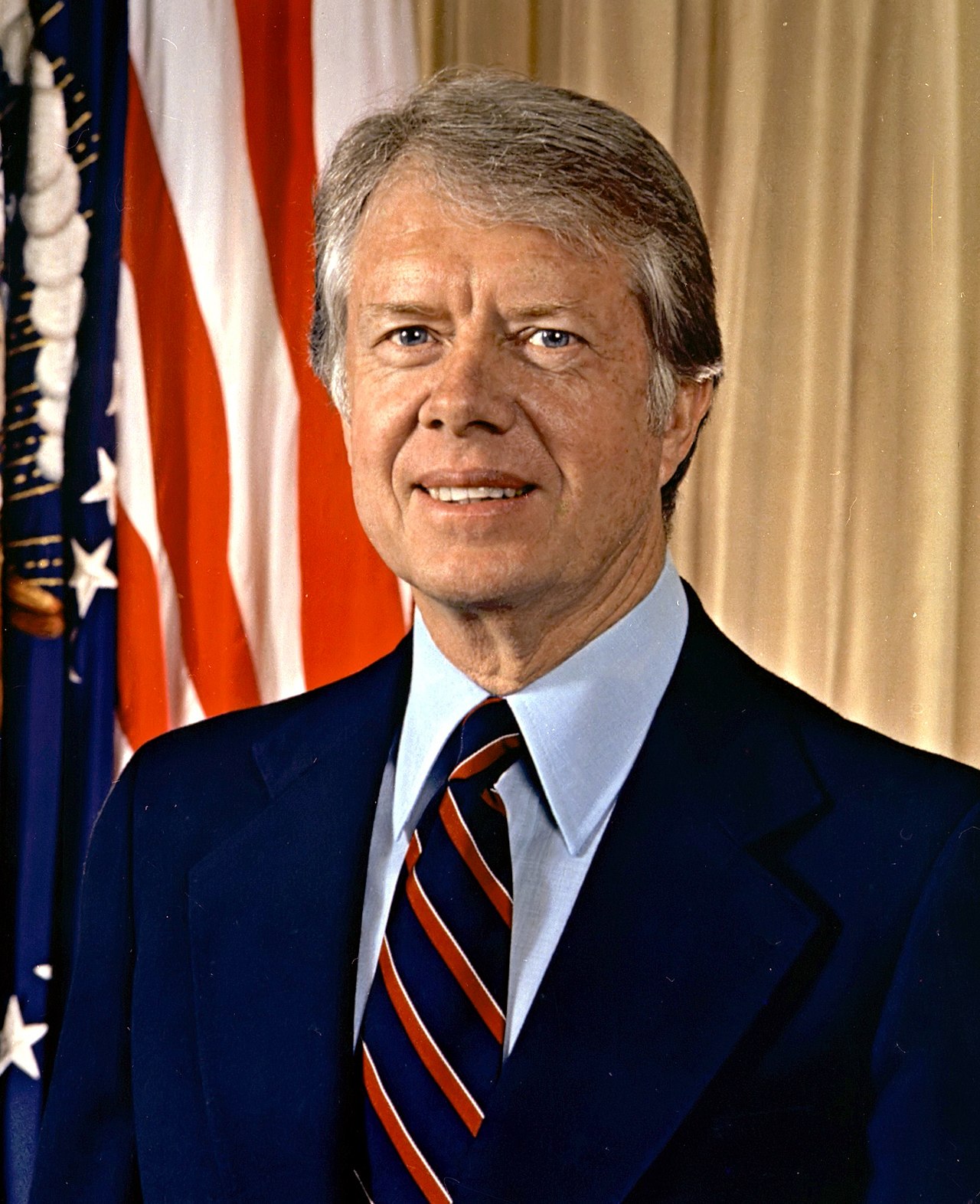


Early political career
Landrieu began in the Louisiana House of Representatives, representing New Orleans' Twelfth Ward from 1960 to 1966. He moved into municipal government as an at-large member of the New Orleans City Council from 1966 to 1970, where he acquired experience in city budgeting, public works and constituent services. This pathway from state to city office was common for local leaders who sought to implement reforms at the municipal level.
Mayor of New Orleans (1970–1978)
As mayor, Landrieu focused on modernizing municipal administration, expanding basic services, and investing in neighborhood infrastructure. He is widely credited with taking deliberate steps to increase racial inclusion in city government: appointing African American officials to significant posts, opening hiring and contracting practices, and creating opportunities for political leadership among communities that had been excluded. These actions helped reshape the composition and culture of New Orleans' government during a period of social change and helped to pave the way for broader Black political representation in the city.
Federal service and later roles
In 1979 President Carter appointed Landrieu to head the Department of Housing and Urban Development, a position he held until 1981. At HUD he confronted longstanding urban problems—housing availability, neighborhood revitalization and federal-local coordination—against the backdrop of economic and budgetary constraints. After his federal service he returned to local affairs and also served as a judge, maintaining involvement in civic and legal matters.
Family and legacy
Moon Landrieu's family continued in public life: his son Mitch Landrieu later served as mayor of New Orleans, and his daughter Mary Landrieu represented Louisiana in the U.S. Senate. Observers often point to the Landrieu family as an example of multigenerational civic engagement. Colleagues and historians credit Moon Landrieu with helping to integrate municipal institutions and with shaping conversations about race, governance and urban policy in the late 20th century.
Death and remembrance
Landrieu died on September 5, 2022, at his home in New Orleans at the age of 92. Reports indicated he suffered a heart attack and died of heart failure. His passing prompted reflections on his pragmatic approach to city government and on efforts to expand opportunity and representation in New Orleans.
Further reading
For additional biographical detail and context about urban policy during the period when Landrieu served, consult municipal archives, histories of New Orleans politics, and collections that document federal housing policy and civil rights–era municipal reforms. Contemporary obituaries and retrospectives provide summaries of his career and the civic changes associated with his time in office. See also a general biography entry for background on his life and public service: biography, official summaries of his record at HUD: HUD records, and oral histories or interviews with local officials and civic leaders preserved in regional repositories: party and local archives.
Additionally, research into New Orleans' political development often references the Landrieu years when discussing the practical challenges of governance during desegregation and urban economic change. Academic studies and municipal case studies can illuminate the ways decisions about appointments, contracting and investment shaped the city's political geography and opportunities for underrepresented groups. For a concise modern profile and summaries of his offices, see further resources and memorials produced after his death: family commentary, city records, and contemporary news retrospectives: press coverage and historical overviews: legal career notes.
Author
AlegsaOnline.com Moon Landrieu: New Orleans Mayor, Civil Rights Advocate, and HUD Secretary Leandro Alegsa
URL: https://en.alegsaonline.com/art/127224