
Mitch Landrieu
American politician; mayor of New Orleans (2010–2018), former lieutenant governor of Louisiana, noted for post‑Katrina recovery, removal of Confederate monuments, and service as a federal infrastructure advisor.
Mitchell Joseph "Mitch" Landrieu (born August 16, 1960) is an American politician and public official known for his tenure as the mayor of New Orleans from 2010 to 2018 and as lieutenant governor of Louisiana from 2004 to 2010. A member of the Democratic Party, Landrieu has been involved in urban recovery, civic reform, and national infrastructure policy.
Image gallery
4 Images


Family background and early life
Landrieu comes from a prominent Louisiana political family. His father, Moon Landrieu, served in municipal government and later as United States Secretary of Housing and Urban Development in the administration of President Jimmy Carter; Landrieu's connection to federal housing leadership is often noted in accounts of the family's public service (Moon Landrieu and the department are frequently referenced in biographies). His sister, Mary Landrieu, represented Louisiana in the U.S. Senate. Those family ties helped shape his early interest in governance and urban policy.
Political career and mayoralty
After a sequence of elected positions at the state and local levels, Landrieu served as lieutenant governor of Louisiana before winning election as mayor of New Orleans. As mayor he focused on recovery from Hurricane Katrina, expanding economic development, improving municipal services, and strengthening infrastructure. His administration was marked by efforts to attract investment while addressing long-standing problems such as crime, blight, and unequal access to opportunity.
Controversies and notable actions
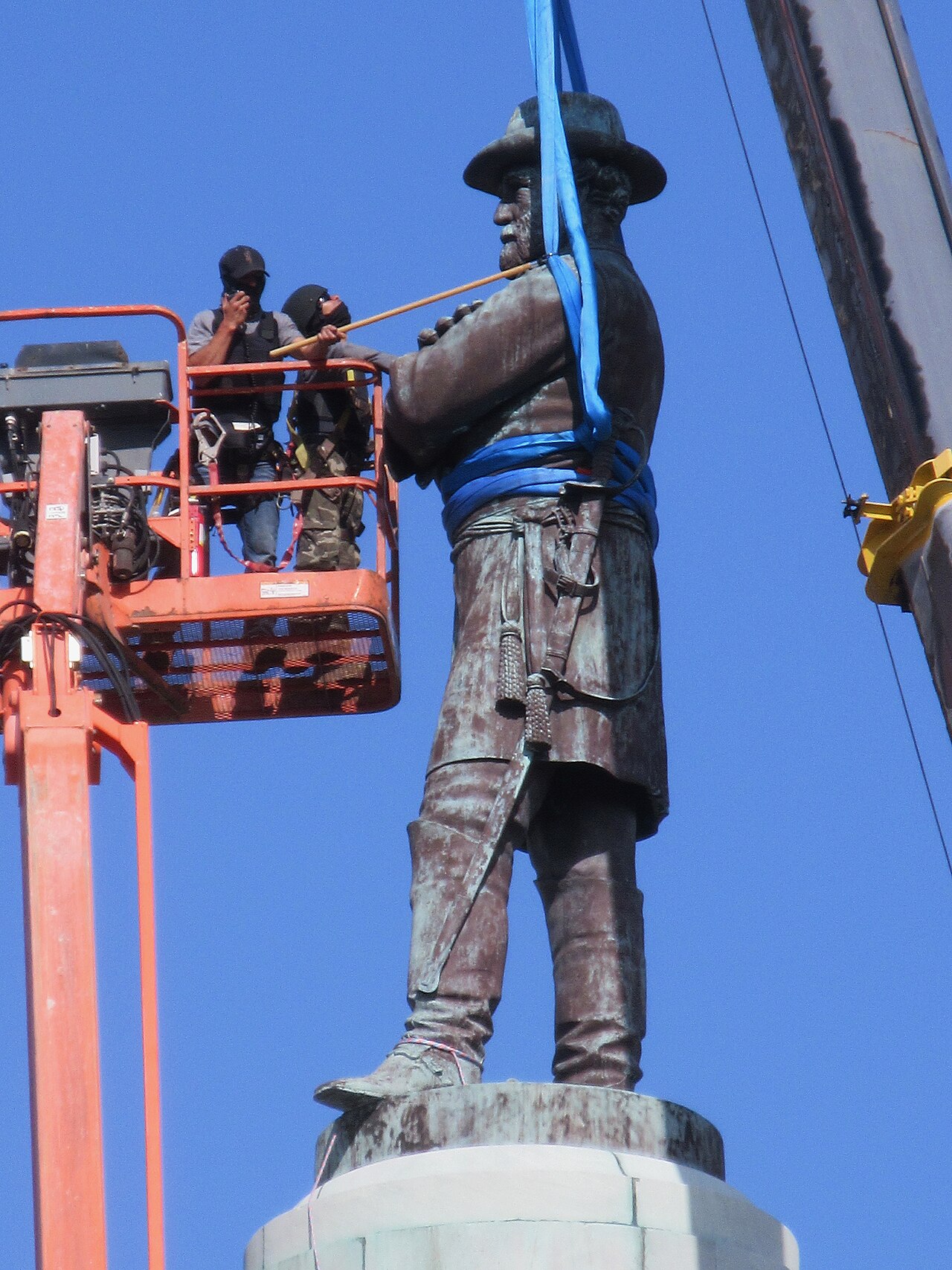
One of the most widely reported episodes of Landrieu's mayoralty was his decision in 2017 to remove several Confederate-era monuments from public spaces in New Orleans. The removals drew national attention and sparked intense debate about history, race, and memory. Landrieu framed the action as part of a broader effort to make public spaces more inclusive; supporters praised the move as a civic leadership act, while critics argued for preservation or different processes. The episode remains a defining element of his public profile.
Policy priorities and public standing
Throughout his career Landrieu emphasized infrastructure, intergovernmental cooperation, and resilience planning. He cultivated partnerships with federal and state agencies to secure resources for rebuilding and long-term projects. Observers often credit him with navigating complex recovery programs and with elevating issues such as storm protection, transportation, and neighborhood revitalization during and after his terms in city and statewide office.
Later roles and national work
After leaving the mayor's office in 2018, Landrieu continued to work on civic and policy issues. On November 14, 2021, President Joe Biden announced that Landrieu would serve as a senior advisor responsible for implementing the Infrastructure Investment and Jobs Act; he formally assumed that role when the bill was signed into law on November 15, 2021. In this capacity he focused on directing federal efforts and coordinating with local officials to move large infrastructure projects forward.
Legacy and distinctions
Landrieu is widely regarded as a pragmatic municipal leader who combined attention to recovery and infrastructure with visible, sometimes controversial, symbolic actions on race and history. His family background in national and state politics, and his later work on the federal infrastructure agenda, make him a notable figure in contemporary discussions about urban governance and public memory.
- Party affiliation: Democratic Party
- Family: father Moon Landrieu (HUD reference), sister Mary Landrieu
- Federal appointment: Advisor under President Biden
Author
AlegsaOnline.com Mitch Landrieu Leandro Alegsa
URL: https://en.alegsaonline.com/art/142788