
Mohammed Burhanuddin — 52nd Dai of the Dawoodi Bohra
Syedna Mohammed Burhanuddin (1915–2014) was the 52nd Dai of the Dawoodi Bohra, a Musta'ali Ismaili Shia community. He led religious life, social programs, and educational initiatives until 2014.
Overview
Syedna Mohammed Burhanuddin (Arabic: محمد برھان الدین) was the 52nd Dai al-Mutlaq of the Dawoodi Bohra community, a branch of the Musta'ali Ismaili tradition within Shia Islam. Born on 6 March 1915 and passing on 17 January 2014 at age 98, he served as the central spiritual and administrative head of a global community with roots in South Asia and the Fatimid tradition. He is widely recognized for guiding religious practice, community institutions, and social welfare programs during the later 20th and early 21st centuries. The Arabic form of his name and traditional titles are often used in Bohra liturgy and correspondence; see the Arabic rendering at Arabic name.
Image gallery
10 Images


Role and responsibilities
As Dai al-Mutlaq, Burhanuddin exercised religious authority over ritual observance, jurisprudence, and communal governance. The office combines spiritual leadership with practical oversight of educational, charitable, and civic affairs. Under his leadership the office addressed theological instruction, dispute resolution, endowments, and the administration of mosques and community properties. He traveled frequently to meet communities and to prescribe guidance in religious and social matters.
Leadership, institutions and reforms
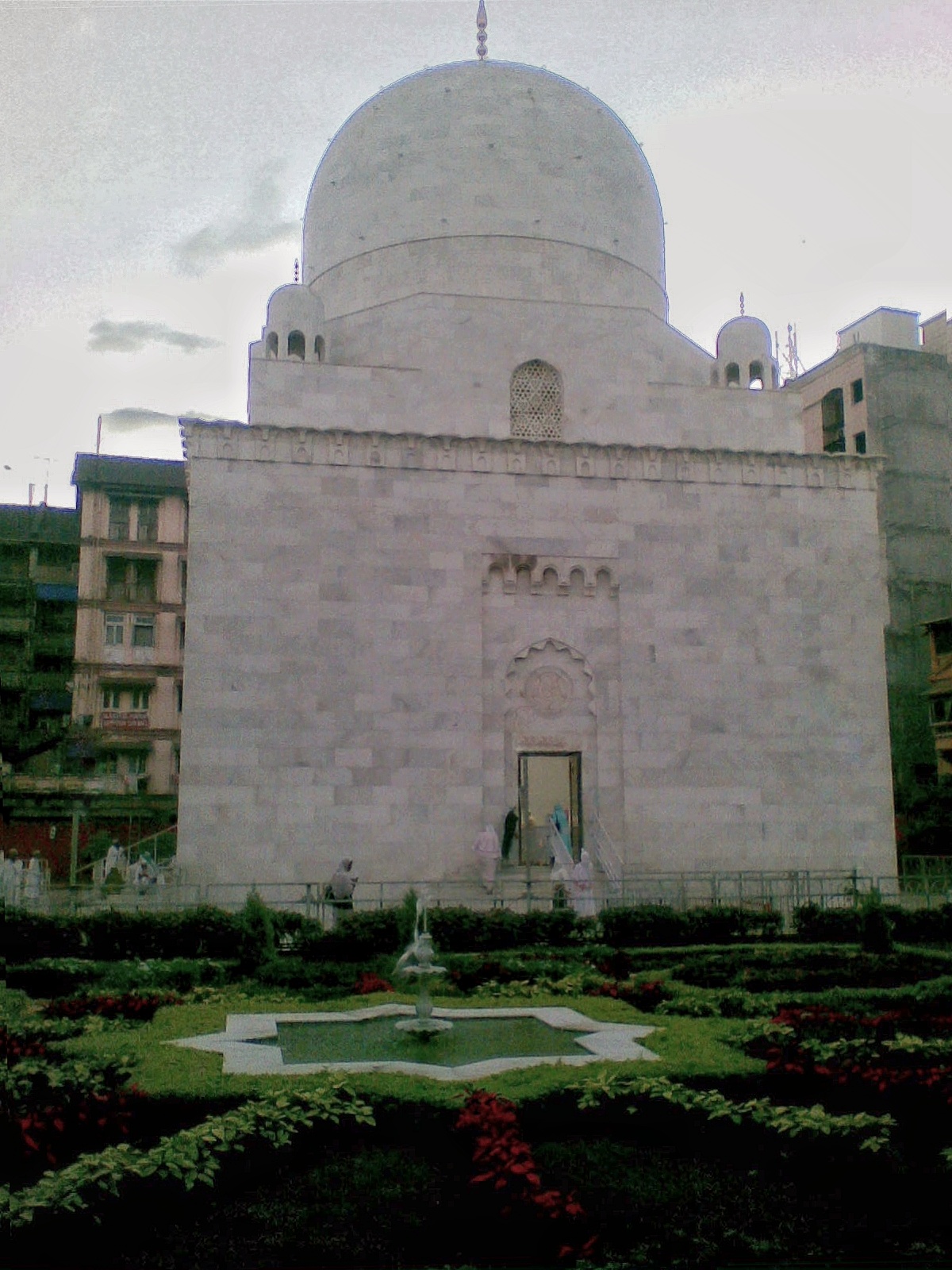
During his tenure, the Dawoodi Bohra community expanded organized institutions for education, healthcare and social welfare. Burhanuddin supported the strengthening of seminaries and curricula for religious studies, encouraged vocational and secular education, and endorsed community-funded hospitals and clinics to serve members and neighboring populations. He also favored architectural restoration of community mosques and mausoleums, and promoted traditional arts such as Arabic calligraphy and Fatimid-inspired decoration. Many of these initiatives were intended to modernize services while preserving distinct communal identity.
History and background
The Dawoodi Bohras belong to the Musta'ali branch of Ismaili Shi‘ism, historically connected to the Fatimid caliphate and later reorganized under the office of the Dai. The Dai functions as a source of religious guidance when the Imam is in seclusion according to community doctrine. Burhanuddin succeeded his predecessor in the mid-20th century and led the community through periods of demographic change, increased global dispersion, and greater engagement with contemporary educational and professional life.
Legacy and succession
Burhanuddin's long leadership left a visible institutional legacy in schools, seminaries, hospitals and community organizations. He emphasized a blend of tradition and adaptation, encouraging English and vocational learning alongside classical religious study. Upon his death in Mumbai, where he had spent much of his later life, his passing was attributed to a heart-related episode; reports referred to a heart attack. His announced successor, publicly named by community authorities at the time, led to legal and communal proceedings concerning succession that drew wider attention.
Notable facts and distinctions
- He is often referred to by the honorific title "Syedna," used by Dawoodi Bohra followers to address the Dai.
- Under his guidance the community maintained a distinct blend of religious conservatism and active engagement in modern education and business.
- He was an influential figure for many Bohras in India and the diaspora, visiting communities across continents to deliver guidance and settle communal affairs.
For broader context about the community's religious origins and contemporary institutions, see further resources on the Ismaili and Dawoodi Bohra traditions at India and South Asian contexts, general material on Islamic leadership at religious leadership, and other referenced summaries at Shia Islam and related links. Additional community histories and contemporary analyses are available through academic and community-published sources.
Author
AlegsaOnline.com Mohammed Burhanuddin — 52nd Dai of the Dawoodi Bohra Leandro Alegsa
URL: https://en.alegsaonline.com/art/127171