
Michael Haneke — Austrian film director and screenwriter
Michael Haneke (born 1942) is an Austrian director and screenwriter known for austere, provocative films such as The Piano Teacher, The White Ribbon and Amour, which won the Academy Award for Best Foreign Language Film.
Overview
Michael Haneke is an Austrian film and theatre director, screenwriter and producer whose work since the 1970s has been noted for its formal rigor and moral intensity. Born in 1942 in Munich and raised in Wiener Neustadt, Austria, Haneke has made films in German and French and is widely regarded as one of Europe's most distinctive contemporary auteurs. His cinema often examines social alienation, violence and the media's role in shaping perception.
Image gallery
4 Images
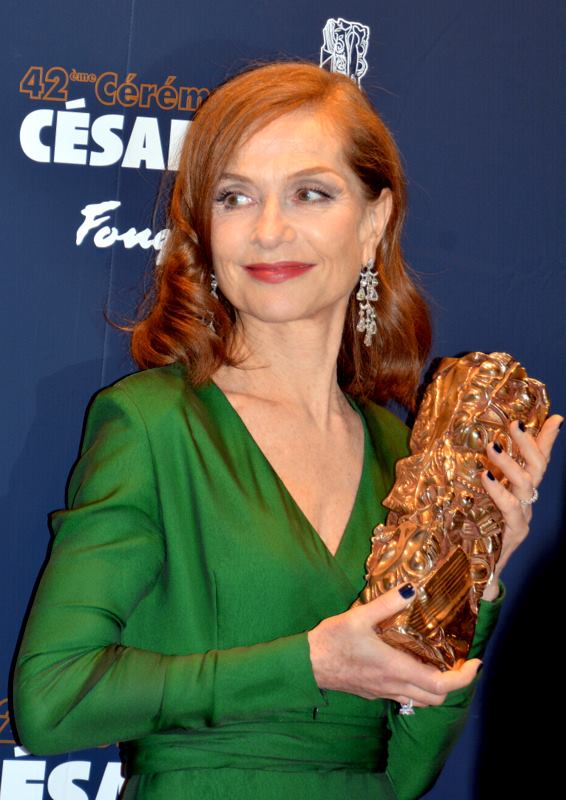
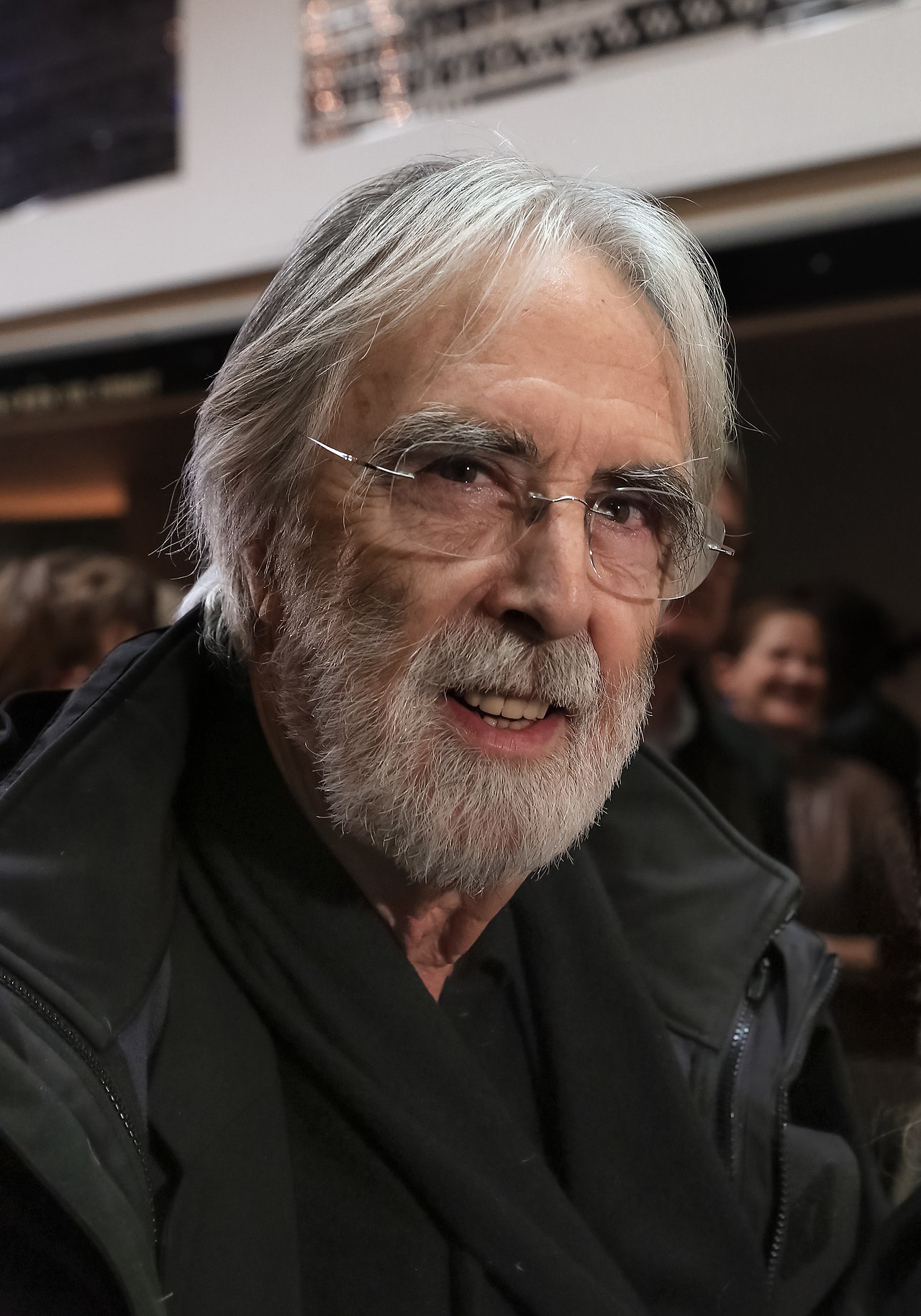
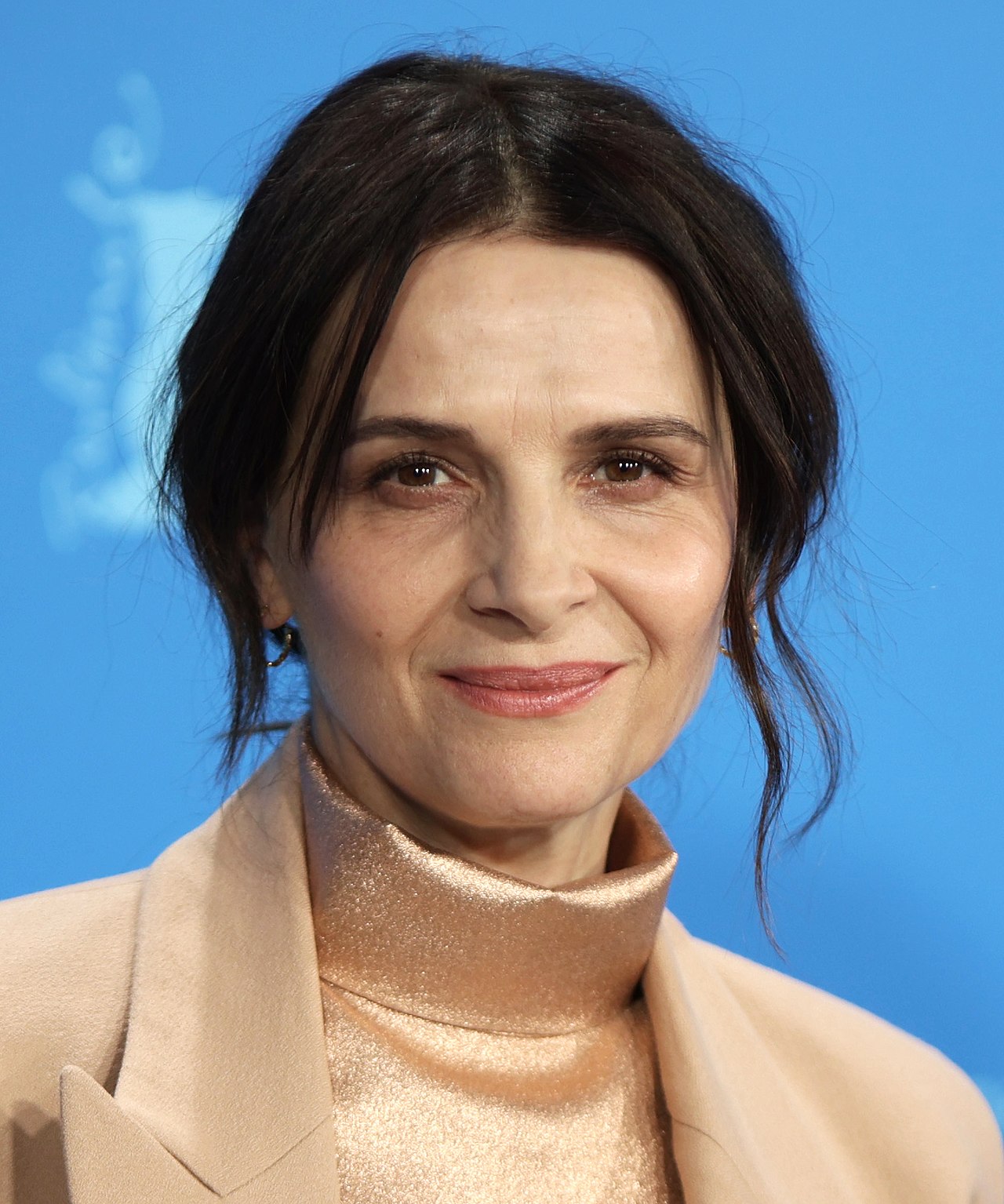
Style and themes
Haneke's films are characterized by controlled camera work, long takes, and a cool, sometimes clinical observational distance. He frequently avoids melodrama and explicit explanation, leaving moral dilemmas unresolved. Common themes include the breakdown of communication, the banality of cruelty, and the tension between private life and public spectacle. Critics and scholars often highlight his use of silence, off-screen events, and formal experiments to unsettle viewers.
Career and notable films
Haneke began in television and theatre before moving to feature cinema. Significant films include The Piano Teacher (2001), a psychologically intense adaptation of Elfriede Jelinek's novel; Cache (Hidden) (2005), a slow-building mystery about guilt and surveillance; The White Ribbon (2009), a study of authoritarianism in a pre‑World War I village; and Amour (2012), a restrained portrayal of aging and care. He has worked with international casts and sometimes writes or co-writes his screenplays.
Awards and reception
Haneke's work has won major international prizes and provoked strong reactions. Notably, Amour received the Academy Award for Best Foreign Language Film and several festival honors. His films have earned recognition at Cannes and other festivals, and he is both celebrated for artistic consistency and criticized by some for perceived coldness or severity. Scholars often study his films in discussions of ethics, spectatorship and contemporary European cinema.
Personal life and background
Born on March 23, 1942, Haneke studied at the University of Vienna, where he engaged with philosophy and cultural topics before entering broadcasting and theatre. He has lived and worked across Europe. He has been married since 1983 to Susanne Haneke and is sometimes described as a distant relative of actor Christoph Waltz. He maintains a low public profile compared with his international reputation.
Further reading and links
- Biography and career overview
- Filmography and credits
- Interviews and statements
- Analysis of major works
- Awards and festival history
- Details on "Amour"
- Critical reception and reviews
- Early life and education
- Context of Austrian cinema
- Notes on theatrical work
- Collaborations and recurring actors
- Scholarly essays and resources
Author
AlegsaOnline.com Michael Haneke — Austrian film director and screenwriter Leandro Alegsa
URL: https://en.alegsaonline.com/art/126739