
Amour (2012 film)
2012 French-language drama by Michael Haneke about an elderly couple, caregiving and moral complexity. Acclaimed for performances, direction and awards including Cannes, Golden Globe and the Academy Award.
Overview
Amour is a 2012 French-language drama directed by Michael Haneke. The film is intimate in scale and setting, concentrating on an elderly married couple who are retired music teachers living in Paris. The principal cast includes Jean-Louis Trintignant as Georges, Emmanuelle Riva as Anne and Isabelle Huppert in a supporting role as their daughter. It is widely noted for its restrained style, patient pacing and focus on small gestures.
Image gallery
1 Image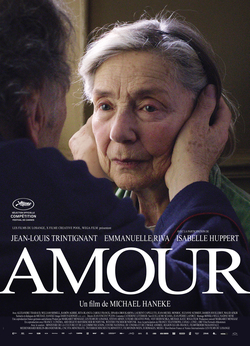
Plot and characters
The narrative follows Georges and Anne after Anne suffers a severe stroke that leaves her partially paralysed and increasingly dependent. Georges assumes the role of primary caregiver, managing medical decisions, domestic adjustments and the emotional burden of watching his partner decline. The film depicts daily routines, consultations with medical professionals, and visits from family and helpers, and it culminates in Georges making a final, ethically charged choice about Anne’s fate. The story is told with minimal melodrama and avoids explicit exposition, asking the viewer to attend closely to conduct, silence and facial expression.
Style and themes
Haneke employs long takes, static framing and a muted visual palette to create an observational realism that foregrounds texture and atmosphere. Dialogue is economical; sound design and the sparse use of music emphasize the characters’ interior lives and the film’s preoccupations with memory, loss and corporeal vulnerability. Key themes include the responsibilities and limits of caregiving, autonomy in old age, the ethics surrounding suffering and death, and the way intimate relationships are transformed by chronic illness. The protagonists’ musical past is echoed in the film’s attention to rhythm, silence and the absence of ornamental scoring.
Performances and production
The central performances by Jean-Louis Trintignant and Emmanuelle Riva were singled out by critics for their subtlety and emotional precision; both actors convey a long shared history through small movements and looks. Isabelle Huppert appears in a brief but important role as the couple’s daughter, contributing a different perspective on responsibility and distance. The film’s confined location—mostly the couple’s apartment—creates a theatrical intensity; production design and lighting support an atmosphere of claustrophobia and tenderness.
Release, reception and criticism
On release, the film received widespread critical acclaim for its seriousness, compassion and formal control. Reviewers praised Haneke’s ability to handle difficult subject matter without sensationalism and to elicit deeply felt performances from an older cast. Prominent critics, including Roger Ebert, praised the film’s honesty and the power of its central performances. Discussions around the film often highlighted its unflinching look at eldercare, the moral complexity of assisted death, and the representation of aging in contemporary cinema. The film inspired commentary not only in film criticism but also in debates about social care and medical ethics.
Awards and legacy
- Palme d'Or at the Cannes Film Festival (major festival recognition)
- Academy Award for Best Foreign Language Film (Oscar)
- Golden Globe Award in the foreign language category
These accolades contributed to the film’s international profile and prompted renewed attention to Haneke’s work in both scholarly and popular contexts. Amour is frequently taught and discussed for its formal restraint and its ethical questions; it remains a reference point in conversations about how cinema represents care, dignity and the final stages of life.
Further reading and resources
For background on the director and principal performers, see resources on Michael Haneke, Jean-Louis Trintignant, Emmanuelle Riva and Isabelle Huppert. General discussions of French-language cinema and the film’s cultural context can be found through overviews of contemporary French film and critical anthologies. Authoritative reviews and essays, including the appraisal by Roger Ebert, offer accessible introductions to its themes and reception. For consolidated information about its awards and festival history consult aggregated award listings here. Reviews, interviews and academic commentary are useful for readers wishing to explore the film’s ethical and aesthetic resonances in more depth.
See also profiles and interviews with the cast and director for production details and first‑hand accounts of the film’s development: Haneke, Trintignant, Riva, Huppert, and critical collections of contemporary film writing on French cinema and reviews available through major reviewers such as Ebert and award compendia listing honours.
Related articles
Author
AlegsaOnline.com Amour (2012 film) Leandro Alegsa
URL: https://en.alegsaonline.com/art/3637