
Melvin Van Peebles: Filmmaker, Writer and Architect of Independent Black Cinema
American filmmaker, actor, novelist and composer (1932–2021) best known for directing groundbreaking independent films including Sweet Sweetback's Baadasssss Song and Watermelon Man.

Overview
Melvin Van Peebles (August 21, 1932 – September 22, 2021) was an American filmmaker, actor, novelist and composer whose creative work crossed cinema, theater, literature and music. He is widely remembered for directing fiercely independent films in the late 1960s and early 1970s and for helping open space for Black directors in the commercial film world. He was the father of actor and director Mario Van Peebles and collaborated across disciplines as a writer and composer during a long career.
Image gallery
6 Images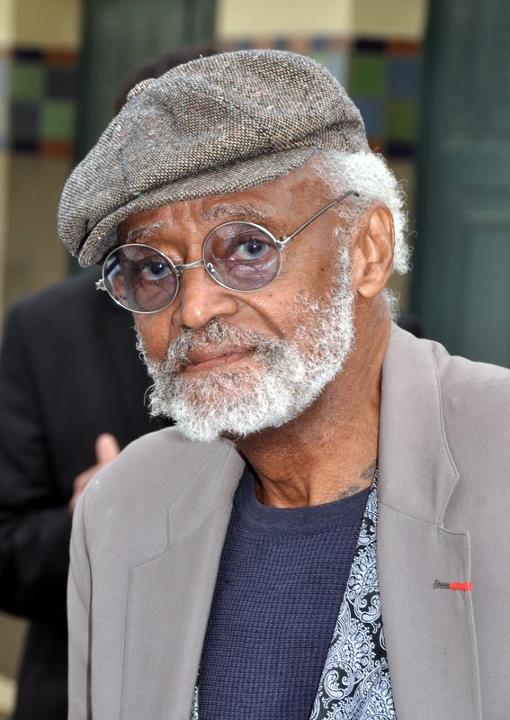


Early life and career
Van Peebles was born in Chicago, Illinois. After early work in writing and theater, he spent time living and working in Europe, where he made his first feature films and developed an idiosyncratic approach to storytelling. Returning to the United States, he began to apply independent, do‑it‑yourself methods to filmmaking—handling directing, writing and often editing or producing to keep creative control and reduce costs. He later described himself as a multidisciplinary artist and often composed or supervised music for his own projects (composer).
Major works and artistic approach
Van Peebles’ earliest notable features include the France-made film often cited as his first feature and his first Hollywood project. His Hollywood debut, Watermelon Man (1970), reached a wider audience and showcased his willingness to address race and identity in mainstream contexts. He followed this with the independently produced and controversial Sweet Sweetback's Baadasssss Song (1971), a raw and uncompromising film that used guerrilla production and marketing tactics. That film is commonly credited with energizing an era of films marketed to Black audiences and influencing what became known as the blaxploitation movement, although Van Peebles’ own politics and intentions were more complex than any single label.
Style and influence
Van Peebles combined a confrontational style, improvisatory energy and a do‑it‑yourself production ethic. He often blurred roles—working as director, writer, actor and sometimes editor—and mixed cinematic methods with elements from theater, spoken word and music. These choices made his films distinctive and helped demonstrate that independent production could reach significant audiences. Emerging Black filmmakers have acknowledged his role in expanding creative possibilities in American cinema and in demonstrating new distribution and marketing strategies.
Later life and legacy
Van Peebles continued to act and create across decades, appearing in films and stage productions from the 1970s through the 2010s. He remained an outspoken figure on matters of art and race until his death in New York City on September 22, 2021, aged 89. His life bridged many fields—film, theater, literature and music—and his lasting legacy is as an independent artist who expanded the possibilities for Black storytelling on screen and stage (overview, career).
- Notable films: Watermelon Man, Sweet Sweetback's Baadasssss Song, early Europe-made features.
- Roles: director, actor, novelist, composer and producer.
- Impact: helped create space for independent Black cinema and influenced later filmmakers and marketers.
For readers seeking introductions to his work, short retrospectives and filmographies are available from major film archives and cultural institutions that document 20th-century independent cinema and Black cultural history (background, origins, family).
Author
AlegsaOnline.com Melvin Van Peebles: Filmmaker, Writer and Architect of Independent Black Cinema Leandro Alegsa
URL: https://en.alegsaonline.com/art/126627