
Max Fleischer — Animator, Inventor and Studio Founder
Polish‑American animator and inventor Max Fleischer (1883–1972) pioneered techniques such as the rotoscope, created iconic cartoon characters, and led Fleischer Studios through the golden age of theatrical animation.

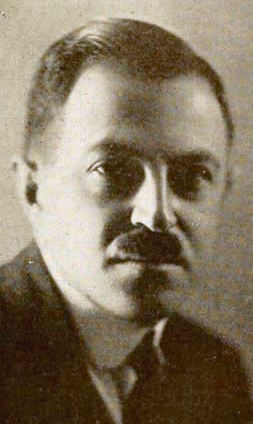
Max Fleischer (born Majer Fleischer; July 19, 1883 – September 25, 1972) was a Polish‑American animator, inventor, director and producer who played a central role in early American animation. Born in Kraków in Poland, he emigrated to the United States and became best known as the head of Fleischer Studios and the creative force behind such screen figures as Betty Boop, Popeye and the theatrical Superman shorts.
Image gallery
3 Images

Early career and studio
Fleischer began his career at a time when animated film was still experimental. Working with his brother and other collaborators, he established Fleischer Studios in New York and developed popular series including Out of the Inkwell, which introduced Koko the Clown. The studio combined comic character animation with music and novelty formats that appealed to adult as well as family audiences in the 1920s and 1930s.
Techniques and inventions
Fleischer was an innovator as well as a storyteller. He invented and popularized the rotoscope, a process that involved projecting live‑action film frame by frame so animators could trace more realistic human motion. He also devised methods for sing‑along cartoons (the "bouncing ball") and camera techniques that placed cels in front of three‑dimensional miniature sets to create depth and more dynamic backgrounds.
Notable works and studio history
Under Fleischer’s leadership the studio produced memorable characters and high‑profile adaptations. Betty Boop reflected jazz‑era urban sensibilities and risqué humor, Popeye cartoons helped the sailor become one of the most popular comic characters of the 1930s, and the Fleischer Superman series was notable for its cinematic scope and dramatic animation. Financial pressures and studio politics led to a move and restructuring in the late 1930s and early 1940s; ultimately Fleischer lost control of the company, which was reorganized under new management.
- Key innovations: rotoscope, sing‑along "bouncing ball", stereoscopic/"setback" background techniques.
- Key characters: Koko the Clown, Betty Boop, Popeye, Superman.
- Studio role: Major competitor to other early studios, especially in the 1920s–1940s.
After leaving his original studio operations, Fleischer continued to work in film and television production in various capacities. He died on September 25, 1972 in Los Angeles, California at age 89.
Legacy
Max Fleischer’s contributions affected the look and technique of animation for decades: his emphasis on realistic movement, musical integration, and adult‑oriented humor broadened the medium’s possibilities. Many of his technical innovations remain part of animation history and his characters continue to be restored, studied and enjoyed as examples of early American popular culture.
Author
AlegsaOnline.com Max Fleischer — Animator, Inventor and Studio Founder Leandro Alegsa
URL: https://en.alegsaonline.com/art/126508