
Betty Boop: Origins, Design, and Cultural Influence
Betty Boop is a 1930s animated cartoon character from Fleischer Studios, known for her distinctive flapper style, voice performances, legal history, and lasting influence on popular culture and merchandising.
Overview

Betty Boop is an iconic animated and cartoon character created by animator Max Fleischer at Fleischer Studios. She became widely known during the early 1930s through a series of short films, originally appearing as part of the Talkartoons program and later headlining her own Betty Boop series. Those shorts were distributed by Paramount Pictures. Over time, Betty Boop expanded beyond film into comic strips, advertising, and a broad range of licensed merchandise.
Image gallery
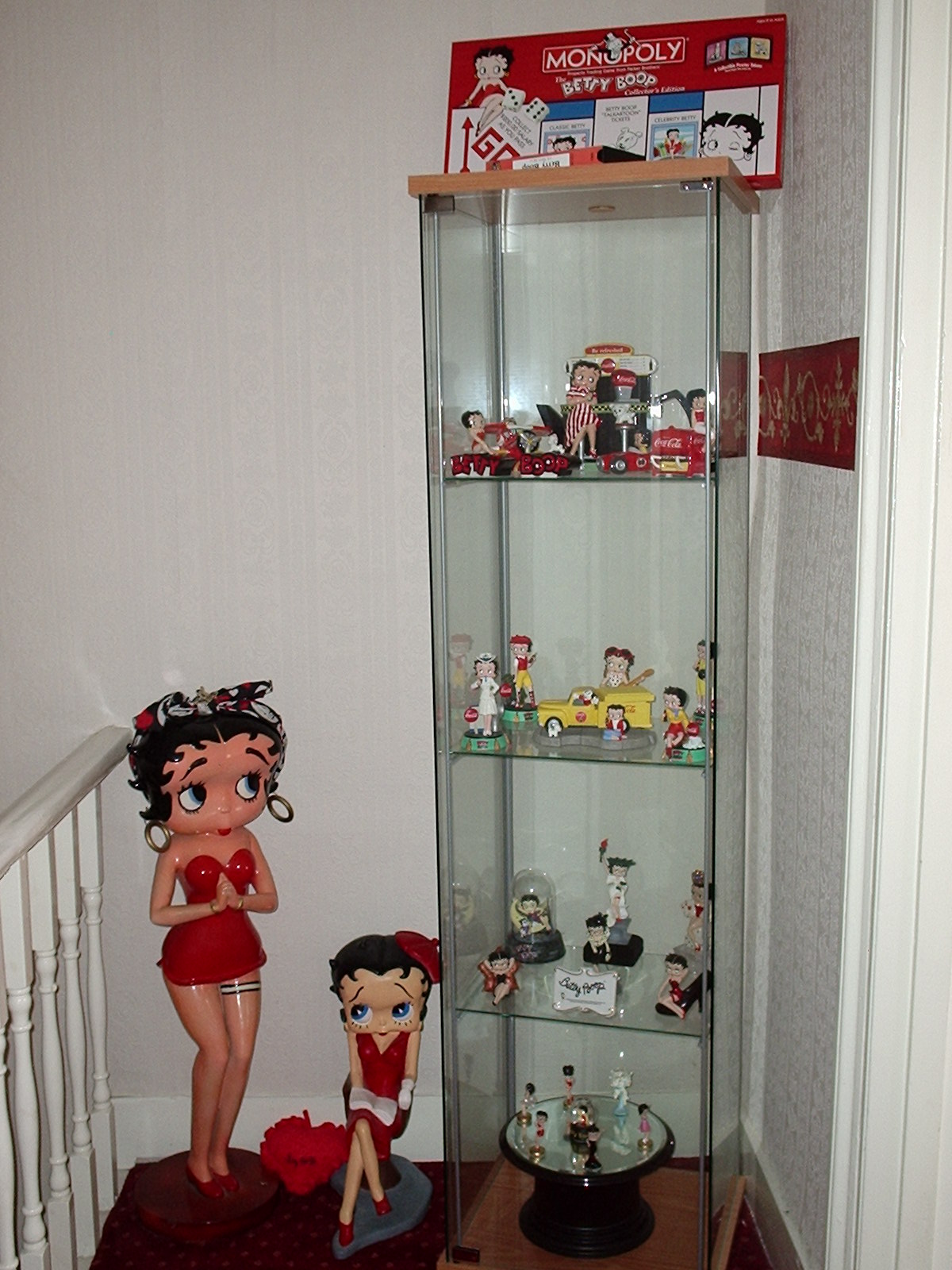
4 Images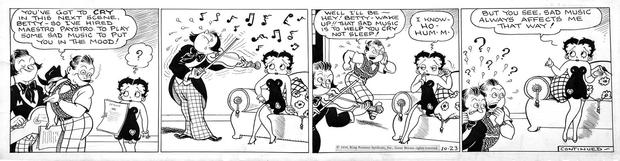


Design and characteristics
Betty Boop’s appearance blends childlike features with adult stylings: a rounded face with large eyes, a small nose, a short and curving silhouette, and a distinctive short bob hairstyle. Her typical costume—short dress, garter, and high heels—evoked the flapper fashions of the 1920s and early 1930s. The character’s voice and mannerisms contributed as much to her identity as the visual design; she combined coquettish speech with a playful, animated performance.
- Visual hallmarks: oversized head, expressive eyes, short hairstyle.
- Costume cues: flapper dress, accessories suggesting 1920s nightlife.
- Voice performers: initially voiced by Margie Hines, and most famously by Mae Questel.
History and legal controversy
Betty Boop emerged from Fleischer Studios’ experimental era of synchronized sound cartoons. Her first acknowledged starring role is commonly traced to the early 1930s. Her persona drew on contemporary popular entertainers; the character’s style has often been linked to the singer and actress Helen Kane, among others.
The similarities led to a notable 1934 court case in which Kane sued the studio, alleging that the character was an appropriation of her stage persona. The court described Betty Boop as combining "the childish with the sophisticated," but the studio countered with recordings and testimony pointing to a wider set of influences. As a result, the lawsuit did not stop the character’s distribution and remains a frequently cited example of disputes over likeness and performance rights in early animation history.
Cultural impact and uses
During the 1930s Betty Boop was both a film star and a symbol of urban modernity and the jazz age. Changes in film censorship in the mid-1930s (the Motion Picture Production Code) required a toned-down presentation of her more risqué elements, and her onscreen behavior and costumes were altered accordingly. Despite such restrictions, she retained popularity and migrated into print comics, radio references, and widespread merchandising: toys, clothing, advertising tie-ins, and later collector memorabilia.
Legacy and notable facts
Betty Boop endures as a cultural icon representing an era of animation experimentation, flapper fashion, and early voice acting. She is often cited in discussions of animation history, gender and performance, and merchandising of cartoon personalities. The character’s visual and musical elements influenced later animators and continue to appear in reissues, restorations, and contemporary retro-styled products. Her creation exemplifies the collaborative and adaptive nature of popular entertainment in the early sound era of film.
For further reading on the studio, performers, and legal aspects of Betty Boop’s development, consult dedicated animation histories and archives that examine Fleischer Studios’ output and the period’s cultural context. Primary and secondary sources provide more detail on individual shorts, production techniques, and the evolving reception of the character in different decades.
More on animation | Cartoon history | Character studies | Max Fleischer overview | Paramount distribution | Helen Kane | Margie Hines | Mae Questel
Tags
Related articles
Author
AlegsaOnline.com Betty Boop: Origins, Design, and Cultural Influence Leandro Alegsa
URL: https://en.alegsaonline.com/art/11066
Sources
- animationresources.org : "Exhibit: Grim Natwick In New York"
- nytimes.com : "Myron Natwick, 100; Animated Betty Boop"
- casetext.com : "Fleischer Studios v. Ralph A. Freundlich, Inc., 5 F. Supp. 808, 809 (S.D.N.Y. 1934)"