
Marion Barry: Washington, D.C. mayor and civil-rights organizer
Overview of Marion Barry (1936–2014): his activism, terms as Mayor of Washington, D.C., legal controversies, later council service, health issues, and lasting influence on the city.
Marion Shepilov Barry Jr. (1936–2014) was a prominent and polarizing American political figure best known for serving multiple terms as Mayor of the District of Columbia and for his long career as a community organizer and elected official. He remains a central figure in late 20th-century urban politics, remembered for both his advocacy on behalf of low-income residents and the controversies that marked his later public life. For background on his public role see politician.
Image gallery
7 Images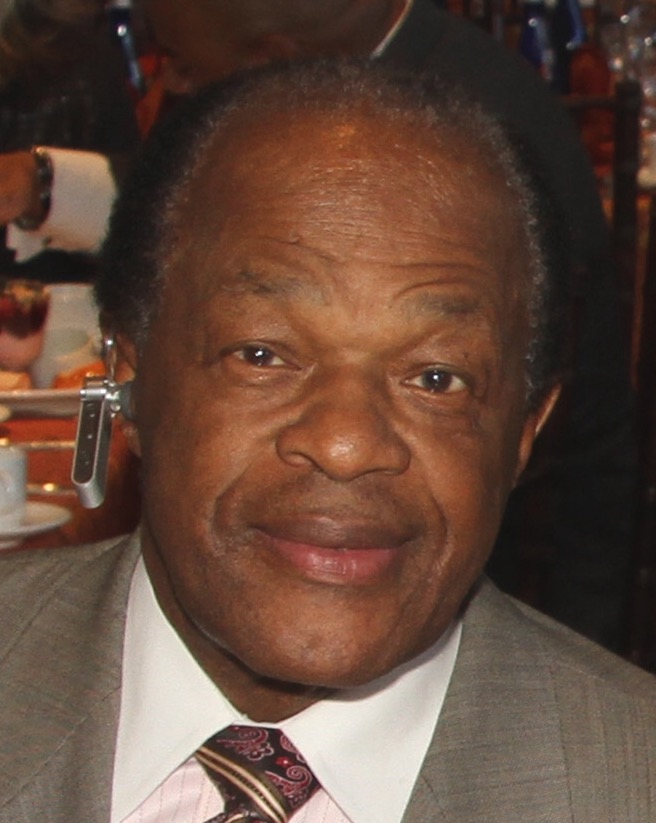


Early life and activism
Barry was born in Itta Bena, Mississippi, and moved with his family to Memphis, Tennessee, when he was a child. His upbringing in the segregated South shaped his early activism; as a young man he became involved in the civil rights movement and worked with student-led organizations that organized voter registration drives, sit-ins, and community programs. He later relocated to Washington, D.C., where his years of grassroots work established his reputation as an advocate for poor and disenfranchised neighborhoods. His roots are often noted with reference to Itta Bena, Mississippi and Memphis, Tennessee.
Political career and mayoralties
Barry helped shape D.C. politics after the city gained greater local governance. He was elected Mayor of the District of Columbia for the first time in 1979 and served through the 1980s into 1991, and he later returned for another four-year term beginning in 1995. His administrations focused on job creation, affordable housing, and increasing service access in historically neglected wards, while also confronting the city’s fiscal and administrative challenges. Barry was a member of the Mayor of D.C. office and a lifelong member of the Democratic Party.
Controversies, legal troubles, and comeback
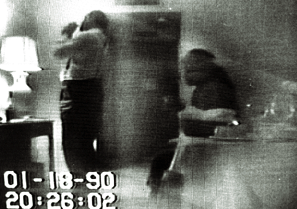
Barry’s career was marked by high-profile legal problems that received national attention. In 1990 he was arrested in an incident that led to a conviction related to the possession of crack cocaine; he served time in federal custody and later returned to electoral politics, illustrating a rare political comeback. He also faced other legal and financial issues, including penalties tied to tax matters. Contemporary coverage often cites his conviction for possession of crack cocaine and subsequent probation or penalties for tax infractions.
Later service, health, and death
After his mayoral years Barry continued to serve Washingtonians by winning a seat on the Council of the District of Columbia, representing Ward 8 from 2005 until his death. His later life was affected by chronic health conditions; he had diabetes and underwent treatment for prostate cancer. In 2009 he received a kidney transplant, and his health remained a public concern. Barry died in a Washington hospital on November 23, 2014, when he suffered cardiac arrest; reports noted the location as Washington, D.C. and the medical cause as cardiac arrest. Coverage of his medical history also referenced diabetes and prostate cancer.
Legacy and notable facts
Marion Barry’s life illustrates the complexities of modern urban leadership: a committed community organizer who rose to citywide power, a leader who secured programs and attention for marginalized neighborhoods, and a politician whose personal failings received intense scrutiny. His supporters emphasize his advocacy for employment and social services; his critics point to corruption and substance-abuse scandals. Key points often highlighted about Barry include:
- Longstanding influence on District of Columbia politics and on representation for majority–African American wards.
- A trajectory from civil-rights activism to elected office that mirrored the changes occurring in many American cities after the 1960s.
- A widely publicized legal conviction that interrupted but did not end his political career, demonstrating both vulnerability and resilience in public life.
For further reading or archival materials consult major newspaper archives, biographies, and histories of D.C. governance linked through municipal and library collections. To explore his public records and some contemporary commentary, see municipal resources and historical retrospectives available through local research services or public libraries (search items may be found via municipal indexes or public archives on the subject).
Barry’s story remains a subject of study for those interested in urban policy, race and politics, and the interplay between personal conduct and public service in American civic life.
politician | Itta Bena | Memphis | Mayor of D.C. | Democratic Party | crack cocaine | tax | health | kidney transplant | Washington, D.C. | cardiac arrest
Author
AlegsaOnline.com Marion Barry: Washington, D.C. mayor and civil-rights organizer Leandro Alegsa
URL: https://en.alegsaonline.com/art/126044