
Crack cocaine: overview, effects, history and risks
Crack is a smokable form of cocaine base that produces a rapid, intense high and carries high risk of addiction, health harms, and legal penalties; this article summarizes composition, effects, history, and responses.
Crack cocaine, commonly called "crack," is a smokable form of cocaine that became widely known in the late 20th century. Chemically related to powdered cocaine, crack is produced by converting the salt form (cocaine hydrochloride) into a freebase that vaporizes at lower temperatures. Smoking delivers drug to the brain very rapidly, producing an intense but short-lived high. Production, possession, and distribution of crack are illegal in most jurisdictions; for general information see legal resources.
Image gallery
10 Images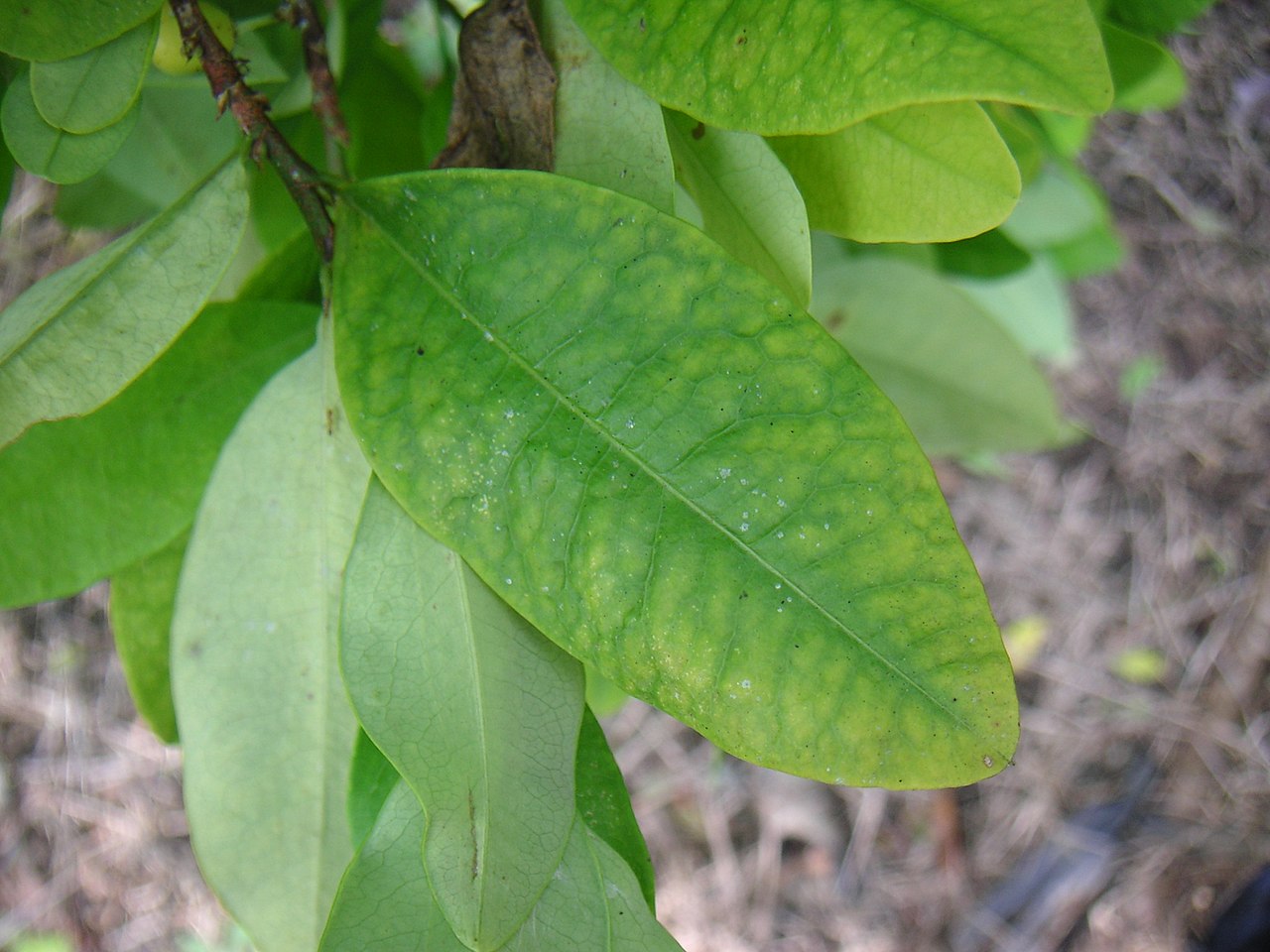



Composition and preparation
Crack is typically prepared by mixing powdered cocaine with a weak base and water, then heating to separate the freebase crystals. Because the product is heat-stable and can be smoked in pipes or improvised devices, it is used differently from powder cocaine, which is more often snorted. The process and materials vary; for background on cocaine origins see coca and cocaine.
How it acts and what users experience
When smoked, crack delivers a surge of cocaine to the bloodstream and brain within seconds. Users report an intense euphoria, increased energy, heightened alertness, and reduced appetite. Those effects are generally brief, which encourages repeated use over short periods. Repeated exposure alters brain circuits involved with reward, increasing the risk of compulsive use and addiction.
Health risks and social effects
- Immediate physical effects: elevated heart rate, blood pressure, and body temperature; risk of cardiac events or stroke in susceptible people.
- Mental health: anxiety, paranoia, hallucinations, and mood disturbances can occur during intoxication or withdrawal.
- Long-term harms: addiction, cognitive and dental problems, respiratory damage from smoking, and social consequences such as housing or employment instability.
Because of its short-lived high and strong reinforcing effects, crack has a high potential for dependence. The social impact of crack epidemics has included public health challenges, criminal-justice responses, and community disruption. Debates about sentencing and treatment policy have been prominent in several countries; for policy discussions see policy resources.
Treatment, harm reduction and notable points
Effective responses focus on treatment and harm reduction rather than punishment alone. Behavioral therapies, counseling, peer support, and social services are primary approaches; there are currently no widely approved medications that specifically reverse crack addiction, though research continues. Harm-reduction measures — such as safer-use information, access to medical care, and overdose response training — aim to reduce immediate risks. For clinical guidance and help options see treatment directories.
Note: This article summarizes widely accepted facts and does not provide medical or legal advice. Individuals seeking help should consult qualified professionals.
Questions and answers
Q: What is crack cocaine?
A: Crack cocaine is an illegal drug made from cocaine that produces a feeling of being high when smoked.
Q: Where does cocaine come from?
A: Cocaine mostly comes from the leaves of a plant called coca.
Q: How does smoking crack produce a cracking sound?
A: The cracking sound is caused by evaporating water escaping when the drug is smoked.
Q: Is crack cocaine legal in most parts of the world?
A: No, production, possession, and distribution of crack cocaine are illegal in most parts of the world.
Q: Can crack be made legally in any country?
A: No, crack cocaine is not legally produced anywhere in the world.
Q: What are the consequences of possessing or distributing crack cocaine?
A: Possessing or distributing crack cocaine is illegal and can result in arrest, criminal charges, and imprisonment.
Q: Are there any safe ways to consume crack cocaine?
A: No, there is no safe way to consume crack cocaine, as it is an illegal and highly addictive drug.
Author
AlegsaOnline.com Crack cocaine: overview, effects, history and risks Leandro Alegsa
URL: https://en.alegsaonline.com/art/23909