
Marilyn Manson (Brian Hugh Warner)
Brian Hugh Warner, known as Marilyn Manson, is an American singer, visual artist, and actor noted for his theatrical persona as frontman of his eponymous band and for later allegations of abuse.
Brian Hugh Warner (born January 5, 1969) is an American musician and multimedia artist who performs under the stage name Marilyn Manson. The name intentionally juxtaposes the glamour of actress Marilyn Monroe with the notoriety of criminal figure Charles Manson, reflecting the performer’s interest in American celebrity, violence, and media spectacle. Warner grew up in and around Canton and later Ohio; he adopted the Marilyn Manson persona in the early 1990s when he coalesced a band around that identity.
Image gallery
9 Images




Musical style and public image
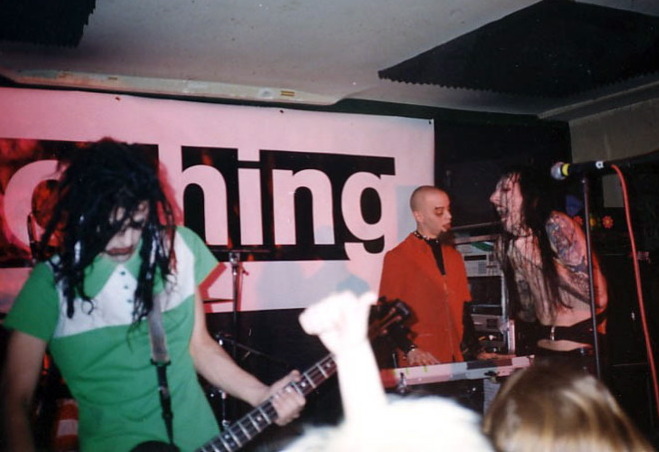
Manson’s work blends industrial rock, glam, and shock-rock theatricality. His public image—heavy makeup, theatrical costumes, and confrontational stagecraft—became a defining element of his early success. Albums that brought him wide attention include influential releases of the 1990s and early 2000s; these combined abrasive guitar work, electronic textures, and lyrical themes about culture, religion, and alienation.
Career, art and acting
Beyond recording and touring, Warner has pursued visual art and occasional acting roles, appearing in film and television and showing his artwork in galleries. The band bearing his stage name served as a collaborative vehicle, but Warner’s persona remained the central figure projected in interviews, videos, and live performances. His theatrical approach drew both devoted fans and intense criticism.
Controversy and critical reception
Manson’s career has been marked by polarized reception: some critics praise his provocative commentary on fame and identity, while others condemned the shock tactics as gratuitous. In 2021 multiple individuals publicly accused him of sexual and physical abuse; those allegations led to public scrutiny, legal claims, and professional repercussions. Warner has addressed and disputed aspects of those accusations; coverage and investigations have continued in various forms.
Marilyn Manson’s legacy is complex: he transformed elements of glam and industrial music into a mainstream spectacle, influenced later performers, and provoked debates about art, accountability, and the cultural costs of fame. His work remains studied as an example of performance-driven rock and the social reactions it can prompt.
Related links
Author
AlegsaOnline.com Marilyn Manson (Brian Hugh Warner) Leandro Alegsa
URL: https://en.alegsaonline.com/art/126026