
Mamie Smith: Pioneer Blues Vocalist and Vaudeville Performer
Mamie Smith (1883–1946) was an American vaudeville performer, singer, dancer and pianist whose 1920 blues recording helped create the commercial market for African American recordings.
Overview
Mamie Smith (born Mamie Robinson; May 26, 1883 – September 16, 1946) was an American vaudeville entertainer and recording artist. She worked publicly as a singer, dancer and pianist, moving between stage performance and recording studios during the early decades of the 20th century. Smith was born in Cincinnati, Ohio, and became widely known for her powerful vocal delivery and versatile stage presence.
Image gallery
2 Images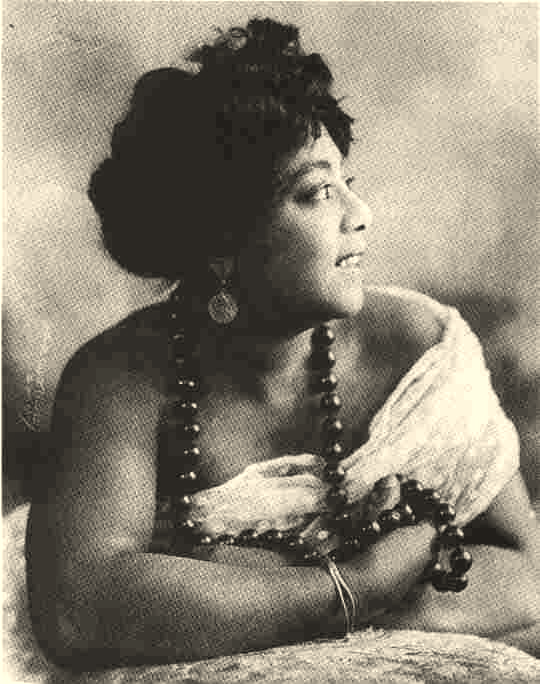

Recordings and musical style
Smith is often cited as the first African American vocalist to make commercially successful vocal blues recordings. Her 1920 hit, commonly known as "Crazy Blues," brought popular attention to recordings by Black artists and helped launch what became called the race records market. Her repertoire included traditional blues, early jazz-influenced pop, and vaudeville numbers; she performed material drawn from several musical genres, adapting to audiences in theaters and on records.
Stage work and touring
Before and during her recording career, Smith performed on the vaudeville circuit and in touring revues. She combined singing with dance and piano accompaniment, a blend that suited the variety-house format of the time. Her theatrical experience helped her project a commanding presence on record and screen, and she regularly appeared with ensembles that reflected the mixing of popular forms — blues, ragtime and early jazz — that characterized American urban entertainment in the 1910s and 1920s.
Film appearances and later career
Mamie Smith also appeared in short films and feature productions. Among the screen projects commonly associated with her are the short musical film Jailhouse Blues (1929) and the later film Paradise in Harlem (1939). These appearances recorded elements of her stage act and helped introduce her to audiences beyond theatergoers and record buyers. She continued to perform intermittently through the 1930s and into the 1940s, though her peak commercial influence was in the early 1920s.
Legacy and significance
Smith's commercial success was consequential for the recording industry. By proving there was a sizeable market for recorded performances by African American artists, her records opened opportunities for many singers and instrumentalists who followed. Music historians regard her work as a turning point that encouraged record companies to sign and issue more recordings by Black performers, a development that shaped the growth of blues, jazz and popular music in America.
- Notable recording: "Crazy Blues" (1920), credited with igniting sales for Black vocal recordings.
- Selected films: Jailhouse Blues (1929) and Paradise in Harlem (1939), which captured aspects of her act on screen; see related films.
Though she died in 1946, Mamie Smith's influence persisted in the careers of later blues and jazz singers and in the business decisions of record companies that recognized the commercial value of African American performers. For further context on early 20th-century popular entertainment and the rise of recorded blues, consult specialized histories and archival collections referenced by scholars and museums.
Related articles
Author
AlegsaOnline.com Mamie Smith: Pioneer Blues Vocalist and Vaudeville Performer Leandro Alegsa
URL: https://en.alegsaonline.com/art/125747