
Luis Echeverría Álvarez (1922–2022)
Mexican lawyer and politician; president from 1970–1976, noted for expansionary social policies, an assertive Third World foreign policy, and controversies tied to the Dirty War and state repression.
Luis Echeverría Álvarez (17 January 1922 – 8 July 2022) was a Mexican politician, lawyer and writer who served as President of Mexico from 1970 to 1976. Born in Mexico City, he rose through the ranks of the dominant Institutional Revolutionary Party (PRI) and held senior posts in the federal government before his election to the presidency. His public career spanned decades and his name remained a focal point for debates about development, state power and accountability in modern Mexico.
Image gallery
10 Images


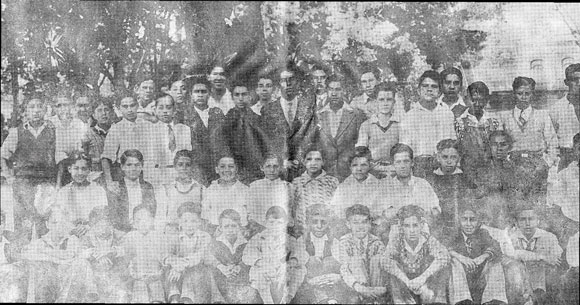

Early life and political rise
Echeverría trained as a lawyer and entered public service in the mid-20th century. As a party insider he occupied key administrative and security roles that placed him at the center of national politics. His tenure as a high-level official during an era of social unrest gave him prominence and influence within the PRI. That groundwork, together with party backing, led to his nomination and election to the presidency in 1970.
Presidency: programs and international stance
During his administration Echeverría pursued expansionary public policies that increased social spending and supported large public works, agrarian programs and state-led development initiatives. Economically, his government favored active state intervention and the expansion of development banks and infrastructure projects. In foreign affairs he adopted an assertive, Third World–oriented stance that sought greater influence for developing countries and often critiqued foreign intervention and inequality in international relations.
Repression, the Dirty War and legal aftermath
The period commonly called Mexico’s “Dirty War” overlapped with Echeverría’s time in power and the years before it, and it involved clandestine campaigns against leftist groups, student activists and suspected guerrillas. Several violent incidents and police or paramilitary actions during this era drew sustained criticism from human-rights advocates. In later decades Echeverría faced formal inquiries and public accusations relating to repression in the 1960s and 1970s; prosecutors investigated events and some legal proceedings were opened, though they did not produce a long-term criminal conviction. Observers emphasize that these contested episodes remain central to assessments of his presidential legacy.
Later life, diplomacy and writings
After leaving the presidency he served abroad, including as Ambassador to Australia and as Ambassador to New Zealand, and continued to publish memoirs and essays on governance, history and international affairs. His books and public statements offered a defense of many of his policies and an interpretation of the political challenges Mexico faced during his era. He remained a controversial but influential figure in Mexican public life until his death.
Legacy and significance
- Member and product of the PRI system that governed Mexico for much of the 20th century; his career illustrates the party’s power and internal dynamics.
- Remembered for ambitious social programs and infrastructure initiatives, alongside criticism for economic strains and higher public spending that contributed to longer‑term fiscal challenges.
- Associated with a period of political violence and state repression that has prompted calls for truth, historical inquiry and, in some cases, legal accountability.
- Author of memoirs and policy texts that provide a personal record of his administration and views; these works remain sources for scholars and journalists studying the period.
For introductory biographies, archival materials and contemporary assessments see overview resources and collections listed by major libraries and research centers; for a concise profile consult an encyclopedia or an authoritative biographical entry, and for documentary evidence consult official records and human‑rights reports that address the era’s events and investigations. Additional online and printed resources provide context on Mexico’s political history in the second half of the 20th century and on debates about transitional justice and historical memory.
Further reading and selected links: a general biographical summary, archival holdings and bibliographies often provide starting points for research into his life, policies and the controversies that shaped his public image.
Related articles
Author
AlegsaOnline.com Luis Echeverría Álvarez (1922–2022) Leandro Alegsa
URL: https://en.alegsaonline.com/art/125529