
Luis Enrique (Spanish football manager and former player)
Luis Enrique Martínez García, born 8 May 1970, is a Spanish former footballer and current head coach of the Spain national team, known for a successful playing career and high-profile managerial achievements.
Overview
Luis Enrique Martínez García (born 8 May 1970 in Gijón, Asturias) is a Spanish football manager and former professional player. After a notable career as a versatile midfielder/forward, he moved into coaching and has managed at club and international level. He is widely regarded as one of the leading coaches of his generation and is the current head coach of the Spain national team.
Image gallery
4 Images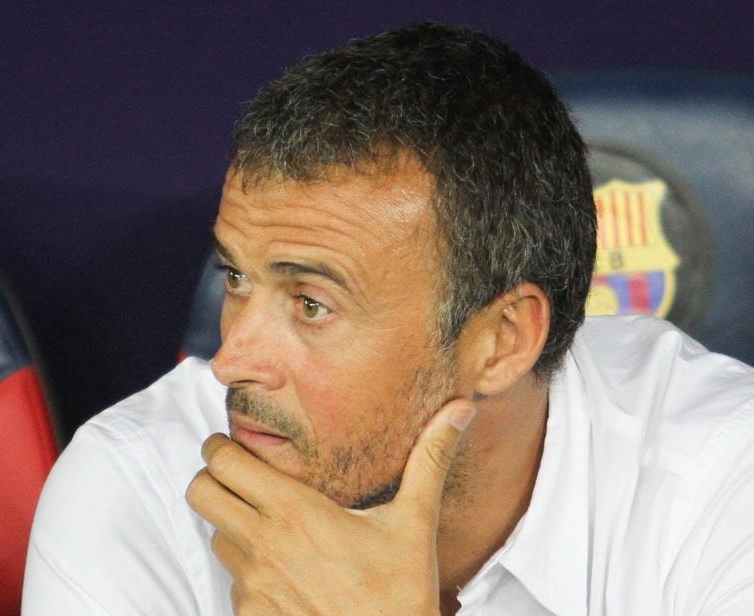


Playing career
Luis Enrique began his senior career in his native Asturias before becoming better known at the highest level. He is one of the relatively few players to have represented both Real Madrid and FC Barcelona during his career, and he established a reputation as a hardworking, technically skilled player capable of operating in several attacking and midfield positions. His playing style combined work-rate with tactical intelligence, traits that later informed his work as a coach.
Managerial career and achievements
After retiring as a player, Luis Enrique moved into coaching, initially working with youth and reserve teams before taking top-level appointments. His spell in charge of FC Barcelona's first team brought major domestic and continental success, including a highly publicized season in which his side won multiple trophies. He has since taken roles with national teams, and his tenure as Spain's head coach has involved major international tournaments and qualifications.
Coaching style and characteristics
Luis Enrique's teams are commonly associated with an energetic, pressing approach blended with an emphasis on ball possession and quick transitions. He is known for tactical flexibility, rotating formations and adjusting personnel to the strengths of his squad. Key elements often include:
- High intensity pressing to recover possession quickly.
- Fluid attacking players who interchange positions.
- Attention to player versatility and work-rate.
- Willingness to adapt formations to the opponent and match situation.
Importance and legacy
Luis Enrique is recognized both for his accomplishments and for bridging elite playing experience with managerial success. He has influenced modern tactical debates about pressing, multifunctional forwards and flexible team shapes. While his record invites different assessments depending on results in specific competitions, his impact on club and international football is widely acknowledged.
Notable distinctions
He stands out for having been influential at top clubs as a player and coach, for delivering high-profile trophy-winning campaigns, and for leading a major national side in global tournaments. Observers often point to his combination of technical detail, motivational skills and tactical openness as reasons for his standing within contemporary football management.
Related articles
Author
AlegsaOnline.com Luis Enrique (Spanish football manager and former player) Leandro Alegsa
URL: https://en.alegsaonline.com/art/125530