
Louis Farrakhan: American Religious Leader and Controversial Public Figure
Overview of Louis Farrakhan, leader of the Nation of Islam, his background, rise to prominence, major activities, controversies, and public legacy.
Overview
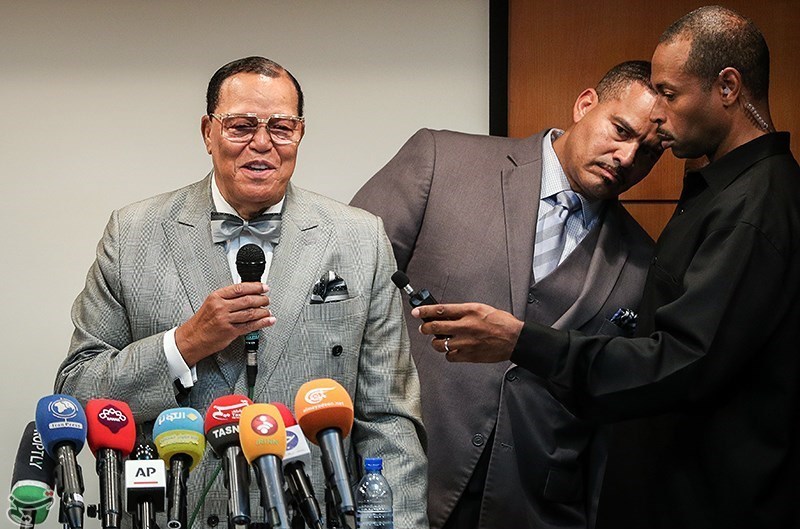
Louis Eugene Farrakhan (born Louis Eugene Wolcott, May 11, 1933) is an American religious leader, political activist and writer best known for leading the Nation of Islam. He has been a prominent voice in African-American social and political life for decades, advocating black self-reliance and community organization while drawing persistent criticism for inflammatory statements. He has been widely accused of antisemitism and anti‑White rhetoric; these controversies have shaped much of his public reputation. Farrakhan announced his retirement in 2007 but has remained an influential and polarizing figure.
Image gallery
8 Images




Early life and background
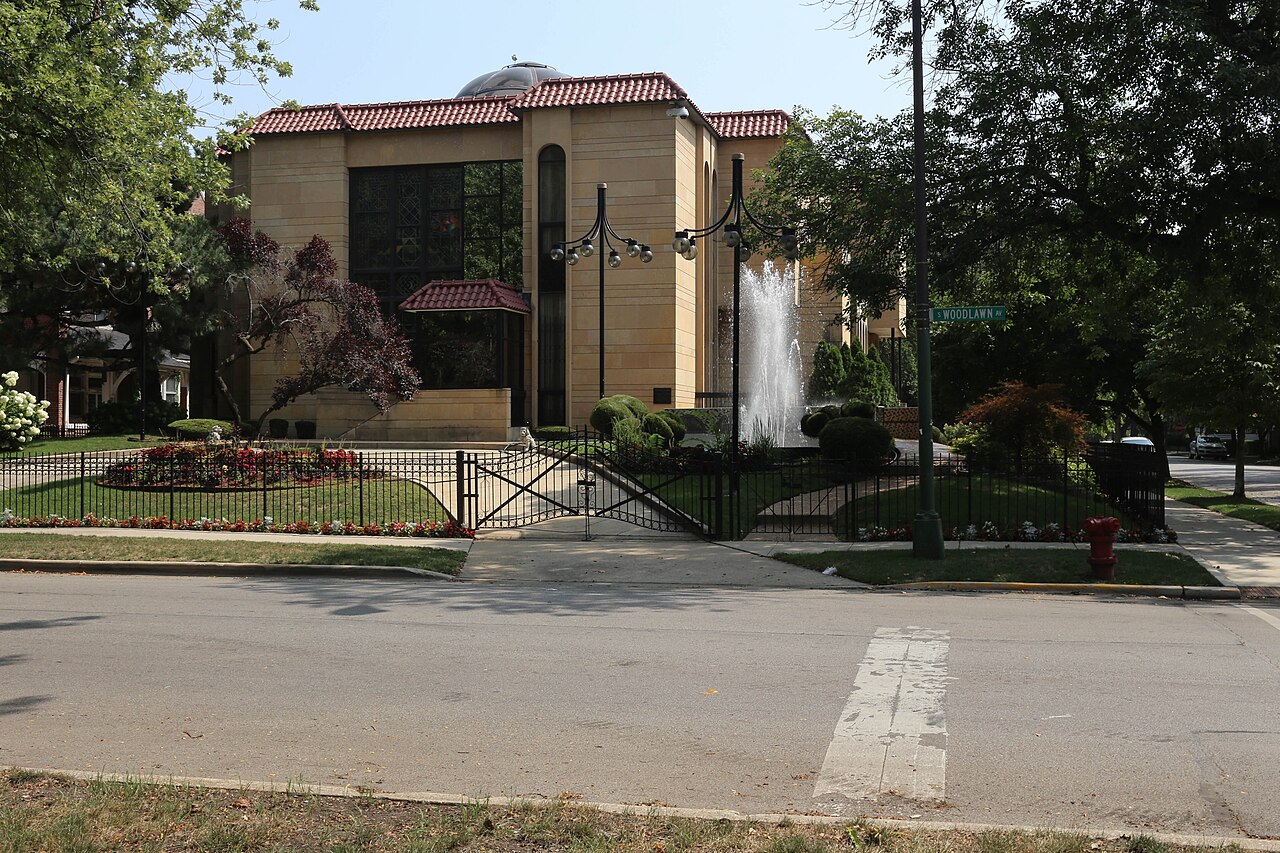
Farrakhan was born in The Bronx, New York. As a child he studied music, beginning violin lessons at age six, and later attended the Boston Latin School. He married Khadijah Farrakhan in 1953; the couple has nine children and long-standing ties to the Nation of Islam community. Farrakhan later settled in the Kenwood neighborhood of Chicago, which has been his primary base.
Rise within the Nation of Islam
Farrakhan joined the movement that became the Nation of Islam in the 1950s and rose through its ranks under the leadership of Elijah Muhammad. After a period of organizational change in the 1970s—when many members embraced mainstream Sunni Islam under Warith Deen Mohammed—Farrakhan reorganized and rebuilt a separate Nation of Islam organization that retained distinct teachings and practices associated with its earlier form. He became the movement's most visible spokesperson and organizer.
Activities, rhetoric, and public events
Farrakhan has combined religious teaching with political commentary and community organizing. He helped lead large gatherings and campaigns focused on economic self-sufficiency, family responsibility, and criminal justice issues affecting African-American communities. One of the most widely reported events associated with him was the 1995 Million Man March, which brought national attention to calls for civic responsibility and community mobilization.
Controversies and criticisms
Farrakhan's rhetoric has generated intense controversy. He has been accused of promoting conspiracy theories and making derogatory statements about Jews, white people, and other groups. Allegations have also surfaced in the context of the 1960s split in the Nation of Islam and the assassination of Malcolm X; some commentators have long suggested links between elements of the organization and that killing, though legal responsibility has been the subject of investigation and debate. References to this history frequently mention figures such as Malcolm X.
Beliefs and organizational characteristics
- Religious framework: Farrakhan's Nation of Islam draws on an African-American religious interpretation that blends Islamic language with specific teachings about racial identity and history (see).
- Community focus: emphasis on education, economic development, and family structure within black communities.
- Public posture: combines religious instruction with political and social critique, often delivered in high-profile speeches and written commentary.
Legacy and public assessment
Farrakhan remains a highly influential and polarizing personality. Supporters view him as a force for empowerment and self-help in African-American life; critics view him as a purveyor of hate speech and divisive ideas. His career illustrates the complex intersection of religion, race, and politics in modern American history. Readers seeking primary documents or detailed reporting on specific events should consult multiple sources and archival materials for fuller context.
For further reading and primary sources, see organizational materials and contemporary reporting linked through reputable archives and libraries (birthplace context, early life, music background, Chicago base).
Related articles
Author
AlegsaOnline.com Louis Farrakhan: American Religious Leader and Controversial Public Figure Leandro Alegsa
URL: https://en.alegsaonline.com/art/125376